Edible, medicinal, and native plants for the Pacific Northwest
We spent 13 years building an abundant fruit forest, annual veggie beds, perennial medicinal herbs, and a healthy mixed hardwood-coniferous forest and now we’ve sold our property to the next stewards so that we can begin a new homesteading project in Vermont closer to our best friends and their kids.
Don’t worry - we plan to keep this website up and running so that our customers can reference what we’ve written about our plants!
We’ll let you know once we re-start a farm in Vermont!
Currant
Currants are a wonderful small fruited shrub that quickly grows to about 4 feet tall and continues layering and spreading horizontally. They thrive in sun but also fruit well in partial shade. They handle soil conditions all the way from heavy clay to sandy loam. We like to plant them in between fruit trees in an orchard or forest garden, as they feed pollinators early in the season, and once the taller trees grow, they are easy to transplant to a new location.
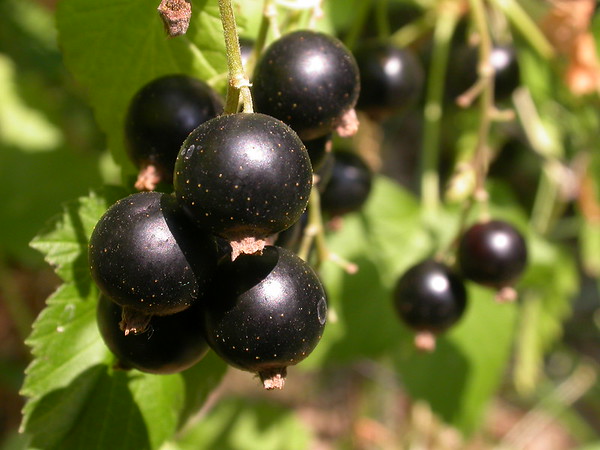
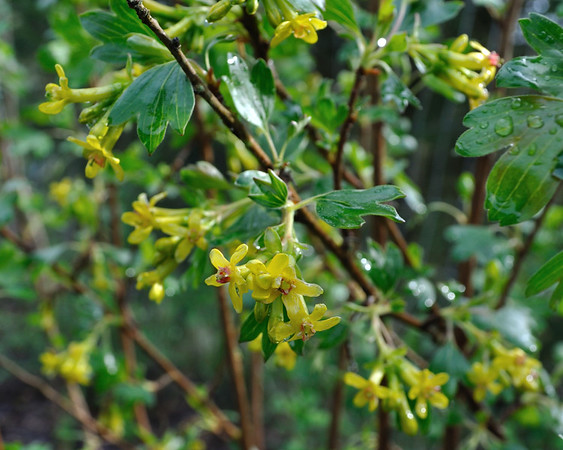
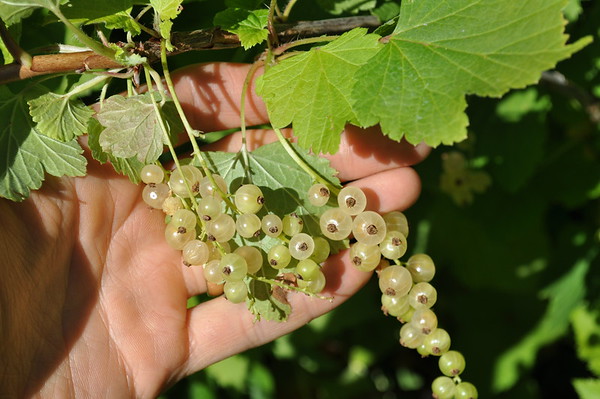
White currants are the sweetest, red the tartest, and black have an excellent unique flavor. It’s easy to tell black currants apart from the rest because the wonderful flavor of their fruit is also found in their leaves all season. Clove currant has beautiful yellow flowers and fruit with an aromatic and sweetly tart flavor.
European black currants have a very distinct musky flavor which is prized by many in Europe and the U.S. We love these fruit and make a honey and currant jam that our toddler eats by the spoonful. These shrubs can grow up to 5 or 6 feet tall and wide but can be kept smaller with pruning, which will also keep them productive. Partial shade is good, although they will set more fruit in full sun with enough water. We like to plant them between fruit trees in an open orchard or forest garden setting. Fruit ripens in early summer before most other berries. Read more
‘Blackdown’ produces large, jet-black berries that are juicy and flavorful with a distinctive musky taste. They are excellent in jams, jellies and juice. The plant is vigorous and has upright growth. It is resistant to white pine blister rust and mildew.
European black currants have a very distinct musky flavor which is prized by many in europe and the U.S. We love these fruit and make a honey and currant jam that our toddler son eats by the spoonful. These shrubs can get up to 5 or 6 feet tall and wdie but can be kept smaller with pruning, which will also keep them in high productivity. Partial shade is good, in full sun with enough water they will likely be most productive. We like to plant them between fruit trees in an open orchard or forest garden setting. Fruit ripens in early summer before most other berries. Read more
‘Cascade’ is easy to grow and a consistent producer here in the Wilamette Valley. Provides large crops of delicious red fruit. It is very winter hardy.
Red currants produce bright red clusters of fruit which are are striking in the garden and they enhance any dish to which they are added. Red currant fruit is high in vitamin C and potassium and is excellent for jams, jellies and sauces, as well as fresh eating. These deciduous shrubs grow up to 5 feet tall and 3-4 feet wide and respond well to pruning. They tolerate clay soils that are common here in the Northwest. Read more
Red currants produce bright red clusters of fruit which are are striking in the garden and they enhance any dish to which they are added. Red currant fruit is high in vitamin C and potassium and is excellent for jams, jellies and sauces, as well as fresh eating. The furit ripens in early summer and is tart and sweet. These deciduous shrubs grow up to 5 feet tall and 3-4 feet wide and respond well to pruning. They tolerate clay soils that are common here in the Northwest.
‘Jonkheer Van Tets’ is healthy and productive in our area. Read more
‘Minaj Smyriou’ has excellent European black currant flavorand can be eaten fresh or used to make jam and juice.
European black currants have a very distinct musky flavor which is prized by many in europe and the U.S. We love these fruit and make a honey and currant jam that our toddler son eats by the spoonful. These shrubs can get up to 5 or 6 feet tall and wdie but can be kept smaller with pruning, which will also keep them in high productivity. Partial shade is good, in full sun with enough water they will likely be most productive. We like to plant them between fruit trees in an open orchard or forest garden setting. Fruit ripens in early summer before most other berries. Read more
This variety was propagated from a plant growing on farm near us, on Muslin Creek.
European black currants have a very distinct musky flavor which is prized by many in europe and the U.S. We love these fruit and make a honey and currant jam that our toddler son eats by the spoonful. These shrubs can get up to 5 or 6 feet tall and wdie but can be kept smaller with pruning, which will also keep them in high productivity. Partial shade is good, in full sun with enough water they will likely be most productive. We like to plant them between fruit trees in an open orchard or forest garden setting. Fruit ripens in early summer before most other berries. Read more
This currant has smooth, lobed leaves and berries that have spicy and gingery tones that ride on top of the sweet and sour currant flavor. It’s yellow flowers brighten the garden in late spring before setting fruit. Read more
‘Golden’ currant is larger than the european currants that we grow. It is vigorous and can grow in a variety of soil types and habitats, up to 9 feet tall. It has beautiful clusters of yellow and red flowers in spring that small fragrant with a hint of clove. This shrub produces sweet and juicy, large berries which keep on the bush if the birds don’t get them.
You may see them growing wild in eastern Oregon where they like moist washes in the desert sun. Here in our garden, they produce larger fruit but with less yield than other currants. Read more
White currants are the sweetest of the European currants and White Imperial has great flavor. Almost all currant lovers that we talk to choose white currants for sweet flavor. These shrubs are generally no more than 4-5 feet tall and wide. If pruned yearly, they can be very productive. Clusters of translucent berries are also beautiful. They prefer a little shade but will be very productive in sun with enough water. They are very easy to grow in our climate. Read more
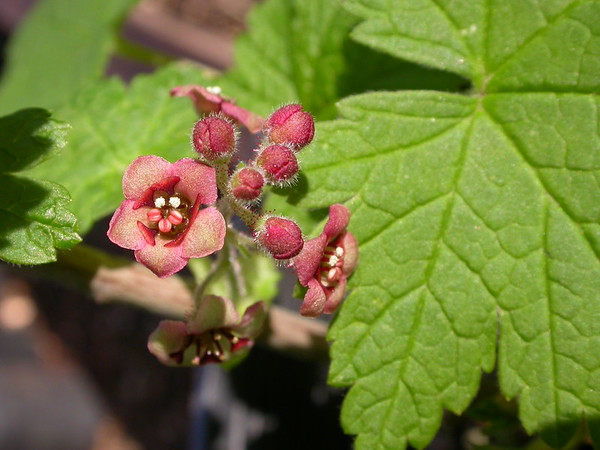
This currant is native to the Northwest, growing along streams in partial shade. The delicate pink flowers bloom in spring and the delicious purple fruit ripens in early summer. It does not have thorns.
Although stream currants like wet soil, they don’t need to grow near a creek as long as they have some irrigation in summer. We suggest you find a place where it can sprawl or hang over a wall because the lovely branches cascade like little waves over the ground rather than growing upright like other currants. Read more
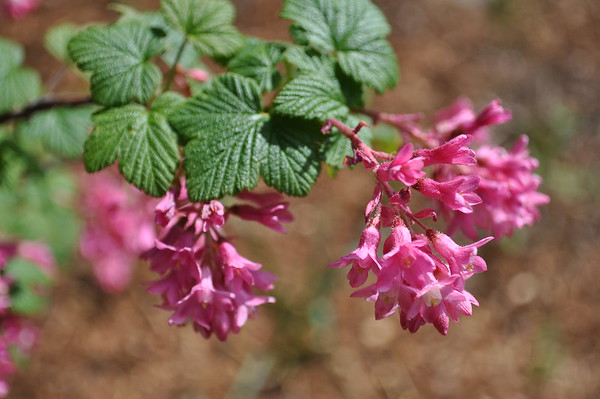
This is one of the earliest blooming and showiest shrubs in the Pacific Northwest! Red flowering currant is a very popular plant for a variety of reasons. The large clusters of pink-red flowers are loved by humans and birds and bees. The flowers do produce edible fruit, although not as choice as a European currant fruit.
Deciduous shrubs can grow to seven feet tall and responsd well to yearly pruning. They prefer a well drained soil and so can be planted on a raised mound or bed in a clay soil. They do well in full sun to part shade and can tolerate full shade although may not bloom as profusely. Read more