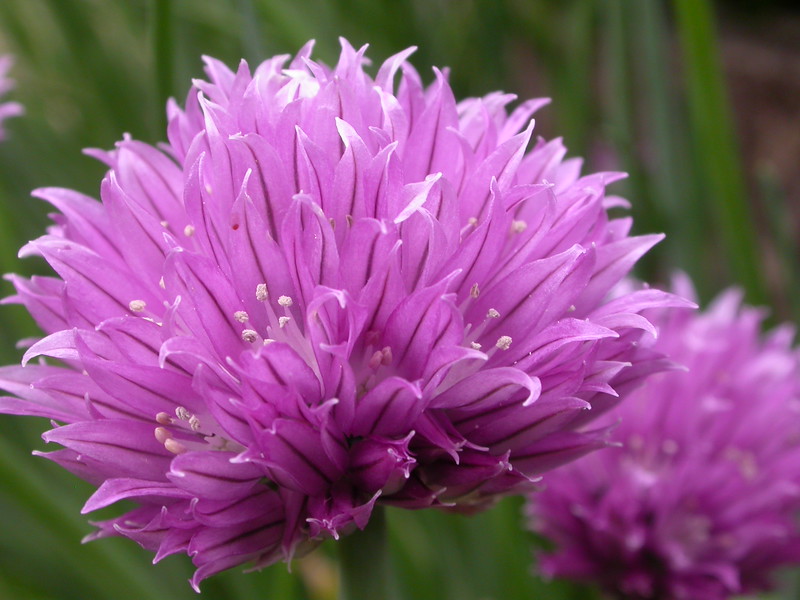
'Purly' chives
Allium schoenoprasum 'Purly'
Hardy perennial
Attracts pollinators
Deer resistant
Edible flowers
Edible perennial
Sold out
No kitchen garden can be without this flavorful and perennial member of the onion family! The ‘Purly’ variety makes longer and straighter hollow leaves than most. It produces edible magenta flowers all summer long.
Read more'Apache Sunset' licorice mint
Agastache rupestris 'Apache Sunset'
Hardy perennial
Attracts pollinators
Deer resistant
Drought tolerant
Edible flowers
Flavorful tea
Sold out
This beautiful perennial is not only fragrant but also hardy and drought tolerant. The silvery foliage grows about a foot tall with huge spikes of neon orange and red flowers another foot above the leaves. Hummingbirds and bees just love the flowers!
The flowers and leaves make a delicious tea that is warming, spicy, and soothing for upset stomaches. It’s hard to describe the combination of licorice, honey, and mint until you taste it yourself. Yum!
Read more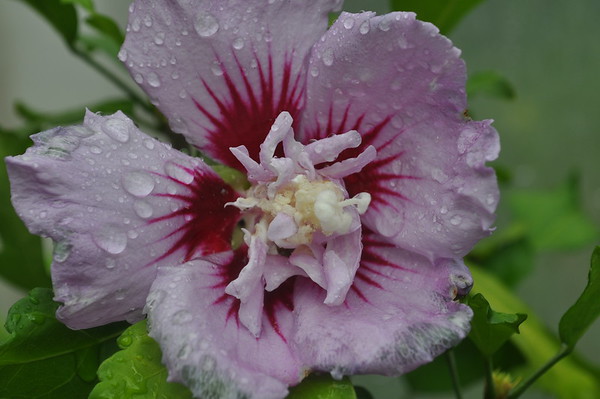
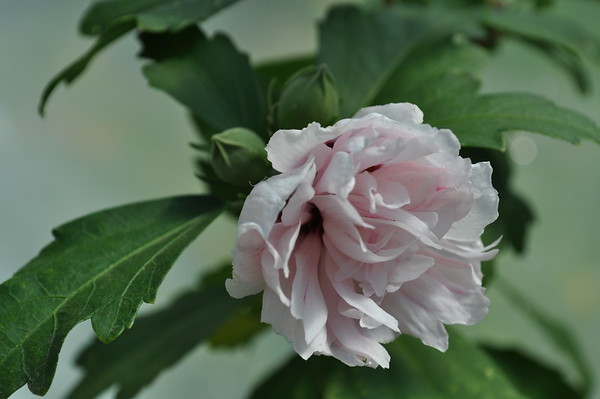
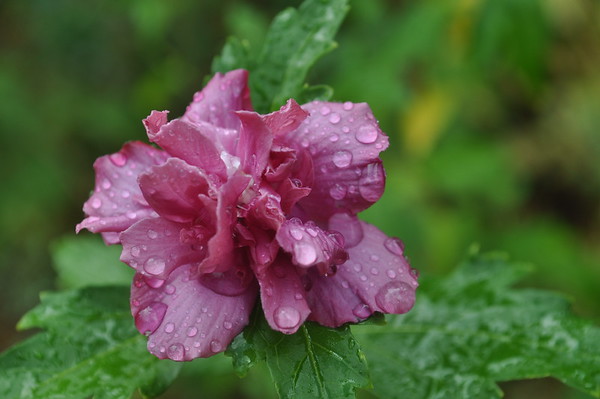
'Arden's Double Purple' rose of sharon
Hibiscus syriacus 'Arden's Double Purple'
Shrub
Attracts pollinators
Edible flowers
Edible perennial
Sold out
Arden’s Double Purple has a frilly flower with multiple layers of purple-pink petals.
Read more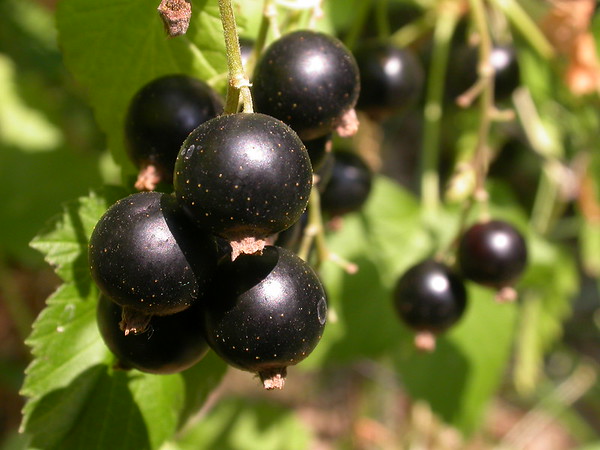
'Black September' currant
Ribes nigrum 'Black September'
Shrub
Attracts pollinators
Edible and delicious fruit
Edible flowers
Hedgerows
Sold out
European black currants have a very distinct musky flavor which is prized by many in Europe and the U.S. We love these fruit and make a honey and currant jam that our toddler eats by the spoonful. These shrubs can grow up to 5 or 6 feet tall and wide but can be kept smaller with pruning, which will also keep them productive. Partial shade is good, although they will set more fruit in full sun with enough water. We like to plant them between fruit trees in an open orchard or forest garden setting. Fruit ripens in early summer before most other berries.
Read more'Blackdown' currant
Ribes nigrum 'Blackdown'
Shrub
Attracts pollinators
Edible and delicious fruit
Edible flowers
Hedgerows
Sold out
‘Blackdown’ produces large, jet-black berries that are juicy and flavorful with a distinctive musky taste. They are excellent in jams, jellies and juice. The plant is vigorous and has upright growth. It is resistant to white pine blister rust and mildew.
European black currants have a very distinct musky flavor which is prized by many in europe and the U.S. We love these fruit and make a honey and currant jam that our toddler son eats by the spoonful. These shrubs can get up to 5 or 6 feet tall and wdie but can be kept smaller with pruning, which will also keep them in high productivity. Partial shade is good, in full sun with enough water they will likely be most productive. We like to plant them between fruit trees in an open orchard or forest garden setting. Fruit ripens in early summer before most other berries.
Read more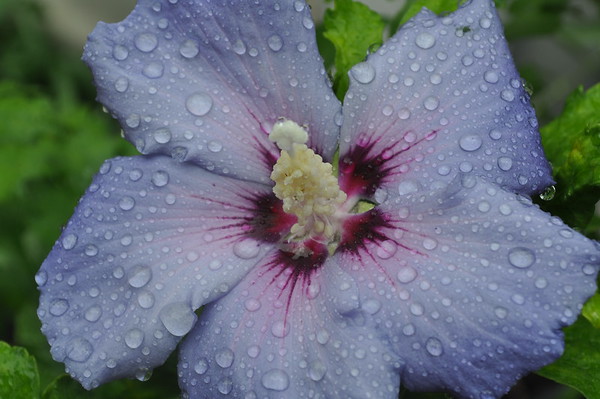
'Blue Bird' rose of sharon
Hibiscus syriacus 'Blue Bird'
Shrub
Attracts pollinators
Edible flowers
Edible perennial
Sold out
‘Blue Bird’ has bright blue flowers, and is a bit smaller and less vigorous than other varieties.
Read more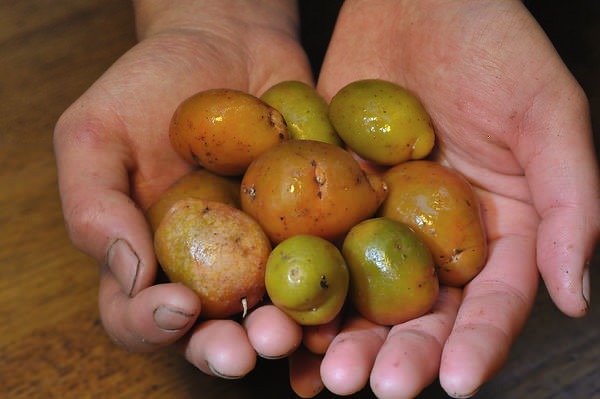
'Bocaditos de Oro' ulluco
Ullucus tuberosus 'Bocadito de Oro'
Tender perennial
Edible perennial
Sold out
The name of this variety translates to little bites of gold, which is quite fitting for such creamy yellow-green tubers that make a really nice autumn snack!
Read more
'Cape Blanco' broad leaved stonecrop
Sedum spathulifolium 'Cape Blanco'
Hardy perennial
Drought tolerant
Edible flowers
Edible perennial
Evergreen leaves
Native to the Pacific NW
Sold out
This grey-leaved and beautifully patterned stonecrop grows the fastest of any Sedum species in our gardens. The leaves are a bit more chalky and less palatable than the others, though.
Read more'Cascade Delight' raspberry
Rubus idaeus 'Cascade Delight'
Hardy perennial
Shrub
Adapted to heavy clay soil
Edible and delicious fruit
Edible flowers
Sold out
This variety of red raspberry bears medium sized, juicy fruit. This variety was developed especially for resistence to phytopthora rot and other fungal diseases that proliferate in wet soil, so this is the variety to choose if you have heavy clay or poorly drained soil.
Raspberry canes produce the most with full sun and frequent water in summer. Prune back the old canes from the previous year to encourage the new growth.
Read more'Cascade' red currant
Ribes rubrum 'Cascade'
Shrub
Attracts pollinators
Edible and delicious fruit
Edible flowers
Hedgerows
Sold out
‘Cascade’ is easy to grow and a consistent producer here in the Wilamette Valley. Provides large crops of delicious red fruit. It is very winter hardy.
Red currants produce bright red clusters of fruit which are are striking in the garden and they enhance any dish to which they are added. Red currant fruit is high in vitamin C and potassium and is excellent for jams, jellies and sauces, as well as fresh eating. These deciduous shrubs grow up to 5 feet tall and 3-4 feet wide and respond well to pruning. They tolerate clay soils that are common here in the Northwest.
Read more'Fall Gold' raspberry
Rubus idaeus 'Fall Gold'
Hardy perennial
Shrub
Edible and delicious fruit
Edible flowers
Sold out
This raspberry bears sweet and beautiful golden fruit! Need we say more?
Read more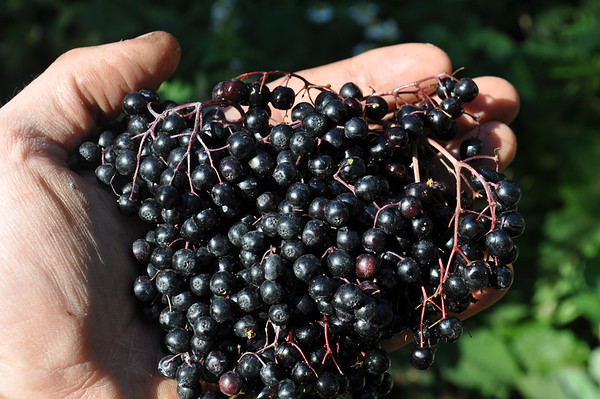
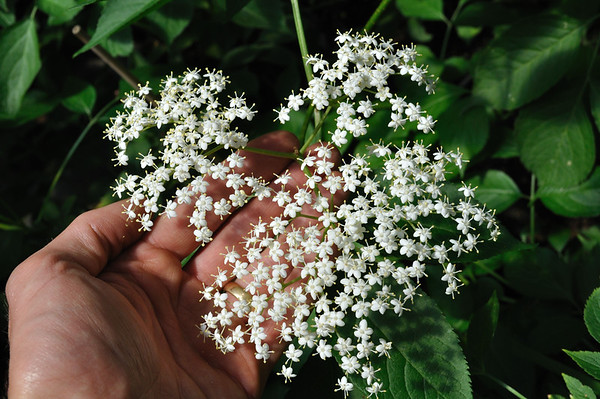
'Haschberg' black European elderberry
Sambucus nigra 'Haschberg'
Shrub
Tree
Attracts pollinators
Edible and delicious fruit
Edible flowers
Sold out
‘Haschberg’ is a variety of black European elder, especially popular in commercial orchards in Austria and Germany. It produces abundant and large clusters of dark purple berries, and grows to about 8 feet tall.
European black elderberries are the most sought-after and productive elder species because they have been selected for heavy yields and tolerance of temperatures well below 0°F. If you buy elderberries or elderberry tincture in the store, you are most likely looking at a variety of European black elder, Sambucus nigra. This species is partly self-fertile, so doesn’t require cross pollination, but the yields will be heavier with a second variety planted near by.
Read more'Illinois Everbearing' mulberry
Morus x 'Illinois Everbearing'
Tree
Drought tolerant
Edible and delicious fruit
Edible perennial
Sold out
Because the fruits on ‘Illinois Everbearing’ ripen over a period of a few months, not all at once, its is nice to have a shorter plants for harvesting them often. The fruit is dark purple and has a wonderful berry-like flavor, also loved by birds. ‘Illinois Everbearing’ is a great choice for our cooler summers, and it is very hardy through colder winters. The young leaves are also delicious steamed or in stir-fries. It grows to be 10 or more feet tall, but can be pruned vigorously to remain short and shrub-like for ease of harvest.
Mulberries are a wonderful tree for any food garden. They tend to be taller than wide but can be shaped to your liking. ‘Illinois Everbearing’ is a great choice for our cooler summers, and it is very hardy through colder winters.
Read more'Jonkheer Van Tets' red currant
Ribes rubrum 'Jonkheer Van Tets'
Shrub
Attracts pollinators
Edible and delicious fruit
Edible flowers
Hedgerows
Sold out
Red currants produce bright red clusters of fruit which are are striking in the garden and they enhance any dish to which they are added. Red currant fruit is high in vitamin C and potassium and is excellent for jams, jellies and sauces, as well as fresh eating. The furit ripens in early summer and is tart and sweet. These deciduous shrubs grow up to 5 feet tall and 3-4 feet wide and respond well to pruning. They tolerate clay soils that are common here in the Northwest.
‘Jonkheer Van Tets’ is healthy and productive in our area.
Read more'June' strawberry
Fragaria x ananassa 'June'
Hardy perennial
Attracts pollinators
Edible and delicious fruit
Edible flowers
Sold out
We have grown this early fruiting variety for many years with success. We harvest lots of large sweet fruits starting in late May until near the end of June. Its easy to grow and prefers full sun, well-drained soil, and garden fertility. It will spread by stolons above ground and serve as a nice groundcover in an edible garden. The June-beraing varieties are much more productive in the Willamette Valley than the everbearing varieties.
Read more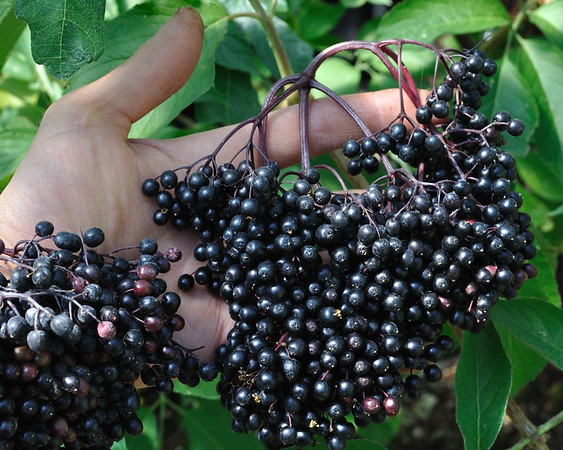
'Korsor' black European elderberry
Sambucus nigra 'Korsor'
Shrub
Tree
Attracts pollinators
Edible and delicious fruit
Edible flowers
Sold out
‘Korsor’ is a variety of black European elder from Denmark, notable for its large, dark, juicy berries. It grows to about 8 feet tall.
European black elderberries are the most sought-after and productive elder species because they have been selected for heavy yields and tolerance of temperatures well below 0°F. If you buy elderberries or elderberry tincture in the store, you are most likely looking at a variety of European black elder, Sambucus nigra. This species is partly self-fertile, so doesn’t require cross pollination, but the yields will be heavier with a second variety planted near by.
Read more'Captivator' gooseberry
Ribes hirtellum 'Captivator'
Shrub
Attracts pollinators
Edible and delicious fruit
Edible flowers
Hedgerows
Tolerates shade
Sold out
‘Captivator’ is virtually thornless and very hardy. Shrubs are productive and bear medium to large sweet red fruits which ripen midsummer.
Read more'Cascade' hops
Humulus lupus 'Cascade'
Vine
Sold out
‘Cascade’ is a popular variety for brewing. Bred at OSU, it is a great general purpose flavor and resistant to downy mildew.
Hops are a wonderful choice for summer shade screen and, of course, for beer making. They grow vigorously with enough sun and water. We reccomend growing them in post unless you are very certain of your long-term location because they take a bit fo work to completely remove from the soil. They prefer to grow up strings, and will grow over 20 feet tall if they have a strong and tall trellis. We have about five plants that grow up our west-facing porch to provide lush shade all summer long.
Read more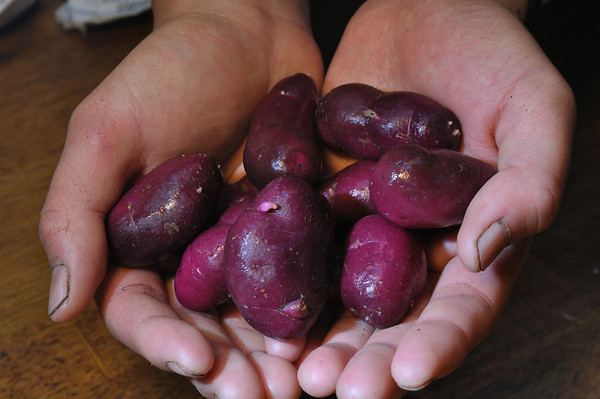
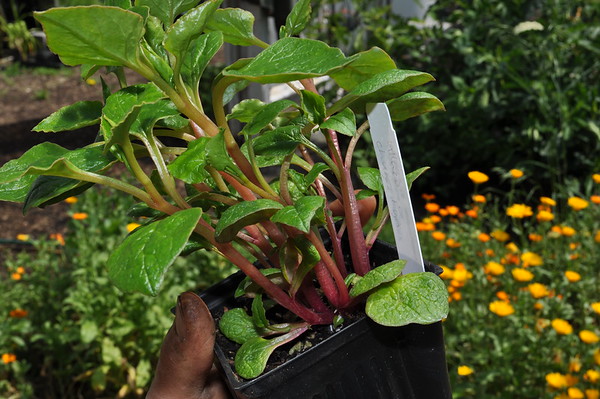
'Chugua Roja' ulluco
Ullucus tuberosus 'Chugua Roja'
Tender perennial
Edible perennial
Sold out
In addition to the strikingly deep purple tubers, this variety produces beautiful pink-purple stems with lots of vigorous growth.
Read more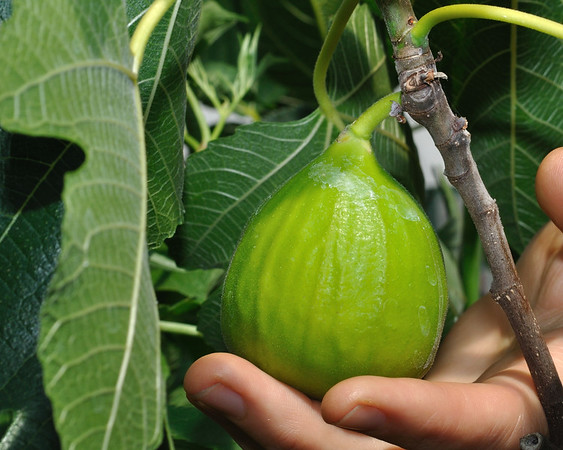
'Lattarula' Italian honey fig
Ficus carica 'Lattarula'
Shrub
Drought tolerant
Edible and delicious fruit
Sold out
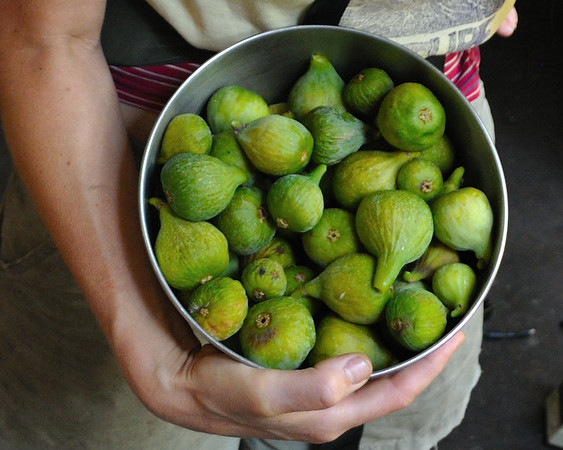
The tasty fruit of this variety has yellow-green skin and a honey colored interior. These are the largest figs we’ve ever grown. Boy, are they sweet! There is a reason this one is named after honey!
Read more'Minaj Smyriou' black currant
Ribes nigrum 'Minaj Smyriou'
Shrub
Attracts pollinators
Edible and delicious fruit
Edible flowers
Hedgerows
Sold out
‘Minaj Smyriou’ has excellent European black currant flavorand can be eaten fresh or used to make jam and juice.
European black currants have a very distinct musky flavor which is prized by many in europe and the U.S. We love these fruit and make a honey and currant jam that our toddler son eats by the spoonful. These shrubs can get up to 5 or 6 feet tall and wdie but can be kept smaller with pruning, which will also keep them in high productivity. Partial shade is good, in full sun with enough water they will likely be most productive. We like to plant them between fruit trees in an open orchard or forest garden setting. Fruit ripens in early summer before most other berries.
Read more
'Monstrueuse' fig
Ficus carica 'Monstrueuse'
Shrub
Tree
Drought tolerant
Edible and delicious fruit
Sold out
Also known as Grosse Monstrueuse de Lipari, this fig is named for an island in italy and known for its delicious fruit and large leaves. It has faintly striped and mottled green and purplish skin with a spectacular red, pink, and white flesh. Ours likely originated from a specimen at the UC Davis germplasm repository. It ripens two crops in Davis, but usually only one here in the northwest.
Read more'Muslin Black' currant
Ribes nigrum 'Muslin Black'
Shrub
Attracts pollinators
Edible and delicious fruit
Edible flowers
Hedgerows
Sold out
This variety was propagated from a plant growing on farm near us, on Muslin Creek.
European black currants have a very distinct musky flavor which is prized by many in europe and the U.S. We love these fruit and make a honey and currant jam that our toddler son eats by the spoonful. These shrubs can get up to 5 or 6 feet tall and wdie but can be kept smaller with pruning, which will also keep them in high productivity. Partial shade is good, in full sun with enough water they will likely be most productive. We like to plant them between fruit trees in an open orchard or forest garden setting. Fruit ripens in early summer before most other berries.
Read more'Napache' thornless blackberry
Rubus x 'Napache'
Vine
Attracts pollinators
Edible and delicious fruit
Edible flowers
Sold out
Tired of thorns ripping through your clothes and poking through your gloves as you harvest sweet blackberries in summer? This cultivar released from the University of Arkansas yields large, sweet blackberries from upright canes with no thorns at all. Hooray! On the other hand, I think the berries lack the tangy citrus flavor that make sweet and thorny blackberries so yummy. This variety grows pretty quickly, so plant it on the edge of the garden or train it along a fence.
Read more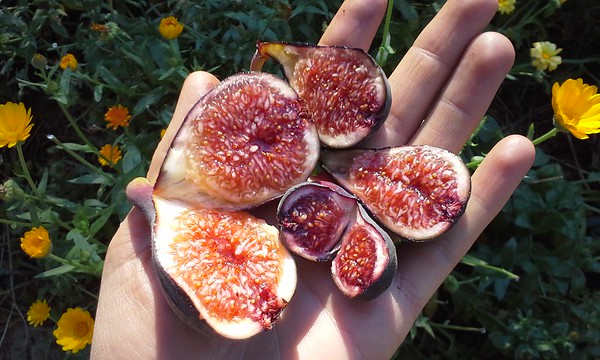
'Negronne' fig
Ficus carica 'Negronne'
Shrub
Tree
Drought tolerant
Edible and delicious fruit
Sold out
A fig that performs very well in the Northwest with cooler summers, Negronne is also generally more compact. It can grow over 15 feet but is happy to be pruned for ease of harvest. These figs ripen in mid-late summer. They have deep pink flesh and purple skin and taste delicious and sweet. Sometimes you can get two crops a season if you are lucky. You may also know this variety as ‘Violette du Bordeaux.’
Read more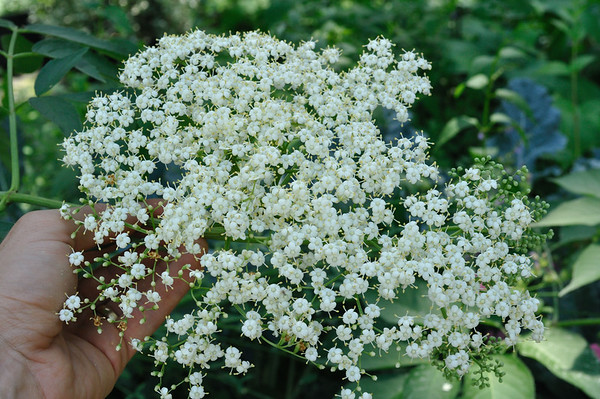
'Nova' American elderberry
Sambucus canadensis 'Nova'
Shrub
Tree
Attracts pollinators
Edible and delicious fruit
Edible flowers
Sold out
‘Nova’ is a variety of American elder, selected for its reliable yield of medium-sized dark berries at a germplasm center in Kentville, Nova Scotia, Canada in 1960. Although it may have better yields with a second variety planted nearby, ‘Nova’ also fruits well on its own.
Read more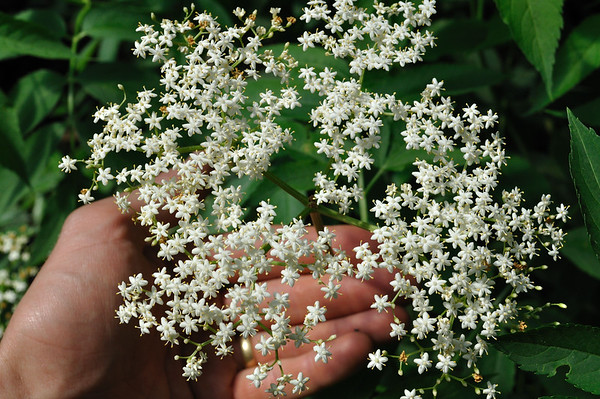
'Ranch' American elderberry
Sambucus canadensis 'Ranch'
Shrub
Tree
Attracts pollinators
Edible and delicious fruit
Edible flowers
Sold out
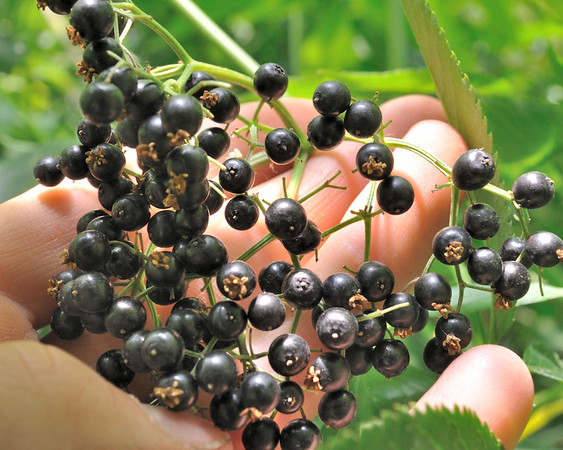
Ranch is shorter and more compact than most elderberry varieties. It gets only 5ft tall, so berries are easier to reach for harvesting.
Read more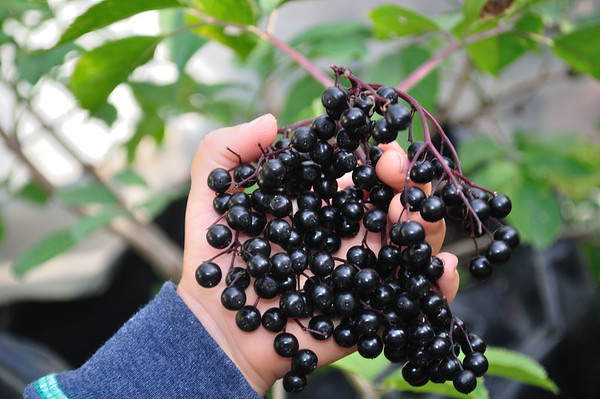
'Samdal' black European elderberry
Sambucus nigra 'Samdal'
Shrub
Tree
Attracts pollinators
Edible and delicious fruit
Edible flowers
Sold out
This variety began producing very large clusters of medium-sized dark purple berries for us in the second year, and it has doubled the yield each year since! Samdal was originally developed in Denmark.
Read more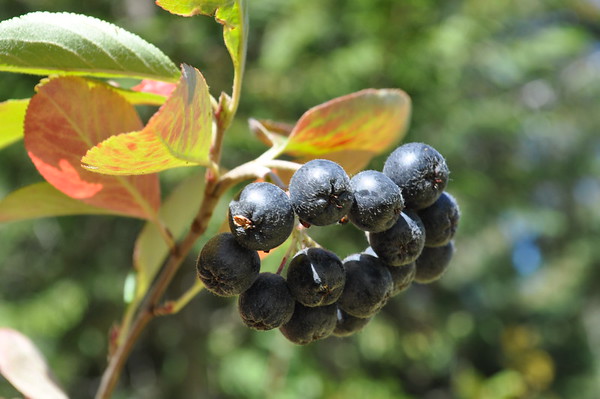
'Viking' aronia
Aronia melanocarpa 'Viking'
Shrub
Attracts pollinators
Edible and delicious fruit
Edible flowers
Tolerates shade
Sold out
Viking has been selected for delicious flavor raw and cooked. Some seedlings can be extremely astringent but this one will just give you a little pucker.
Read moreakebia vine
Akebia quinata
Vine
Edible and delicious fruit
Tolerates shade
Fast growing
Sold out
Akebia is a twining deciduous woody fruiting vine. Unlike many fruiting vines, it is shade tolerant. Leaves are somewhat evergreen and young leaves may have a purplish hue. Vines can grow 20 to 40 feet horizontally or vertically and can grow along a fence or trellis to provide summer shade. They respond well to pruning. Vines show bright purple blooms in early summer and the sausage shaped fruits ripen in fall. Fruit pods open to reveal edible pulp.
Read morearonia
Aronia melanocarpa
Shrub
Attracts pollinators
Edible and delicious fruit
Edible flowers
Tolerates shade
Hedgerows
Sold out
Our friend Allen reports that this particular Aronia produces plentiful berries. These shrubs readily send up new shoots from near the base of the tallest stems.
Read more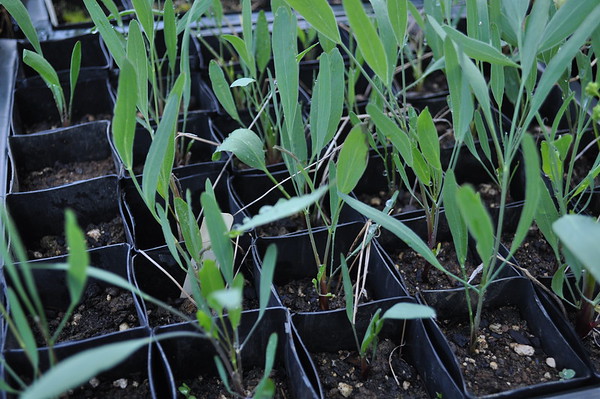
barestem biscuitroot
Lomatium nudicaule
Hardy perennial
Adapted to heavy clay soil
Attracts pollinators
Drought tolerant
Edible flowers
Edible perennial
Native to the Pacific NW
Sold out
I really like the parsley-like taste of this edible perennial in the carrot family. Another common name is pestle-parsley. It’s also native to wet meadows and well-drained hillsides in the Willamette Valley and the greater Pacific Northwest. Native people and herbalists treat patients with the leaves, roots, and seeds, and researchers are actively investigating the antibacterial and antiviral properties.
Read more
black coneflower
Rudbeckia occidentalis
Hardy perennial
Adapted to heavy clay soil
Attracts pollinators
Native to the Pacific NW
Sold out
A rudbeckia native to Oregon, this wildflower has a unique bloom that resembles Echinacea or Rdbeckia but with no petals. A perennial plant, when grown in full sun and garden soil, flower stalks can reach five feet tall. A clump-forming plant, it will grow up to three or four feet wide over time. It blooms from summer into fall (small yellow flowers on the flower head) and is a great pollinator attractor.
Read moreBlue beebalm
Monarda didyma 'Blue'
Hardy perennial
Attracts pollinators
Deer resistant
Edible flowers
Flavorful tea
Sold out
With darker violet-purple flowers than most wild beebalm, this variety is a crowd-pleaser and tastes good too!
Read more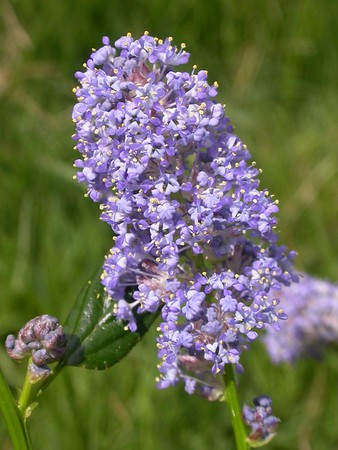
blue blossom
Ceanothus thrysiflorus
Shrub
Attracts pollinators
Deer resistant
Drought tolerant
Evergreen leaves
Fast growing
Hedgerows
Hosts bacteria that fix nitrogen
Native to the Pacific NW
Sold out
Blue blossom, also known as California lilac, is a fabulous showy broadleaf evergreen shrub. Lilac colored flowers bloom in mid to late spring and have a wonderful fragrance. Native to coastal northern California and southern Oregon, it is drought tolerant and deer tolerant and easy to grow. It can grow up to 20 feet tall in the wild but usally does not grow more than ten feet tall in an urban landscape. It responds well to pruning. Like all broadleaf evergreens, it can get die back during a very cold winter.
Read more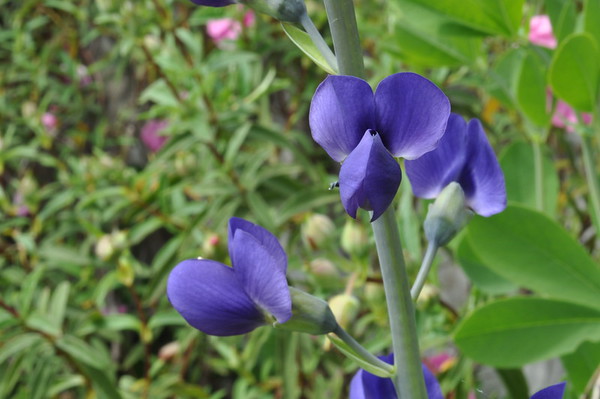
blue false indigo
Baptisia australis
Hardy perennial
Attracts pollinators
Hosts bacteria that fix nitrogen
Sold out
A perennial in the pea family, false indigo sends up 3-foot tall inflorescences with breathtaking deep blue pea flowers. Though not as good as true indigo, a blue dye can be made from the leaves and roots. False indigo likes sun and doesn’t mind poor soil because it also fixes nitrogen.
Read more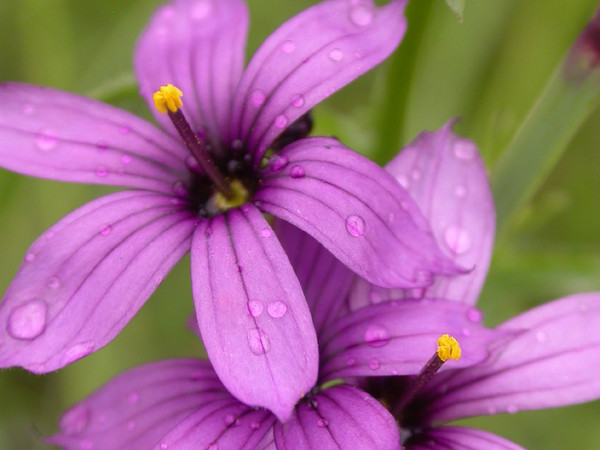
blue-eyed grass
Sisyrinchium idahoense var. idahoense
Hardy perennial
Adapted to heavy clay soil
Attracts pollinators
Likes wet soil
Native to the Pacific NW
Sold out
A small but beautiful perennial native wildflower that prefers moist soil and sun, blue eyed grass grows less than a foot tall and makes clusters of small purple flowers in early summer. A great plant for edges of garden beds and along a sunny pond.
Read more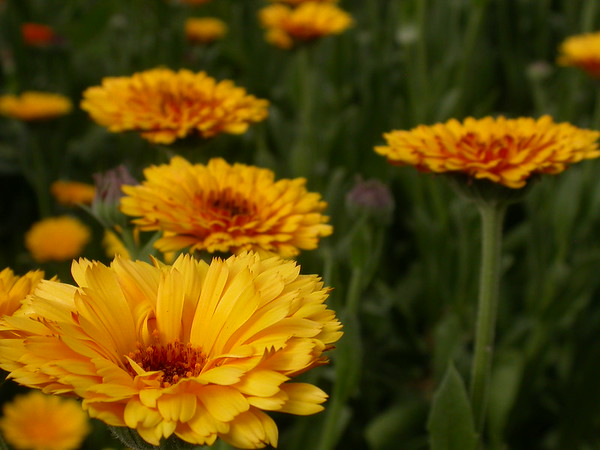
calendula
Calendula officinalis
Annual
Attracts pollinators
Edible flowers
Sold out
Bright yellow-orange flowers abound on these sun-loving plants. Although calendula is an annual that doesn’t survive the winter well, it faithfully self-sows in our garden and emerges each spring.
We toss the petals into salads and decorate desserts with these whole edible flowers. Infused into olive oil, calendula flowers make a very popular healing base for lotions, salves, and balms.
Read more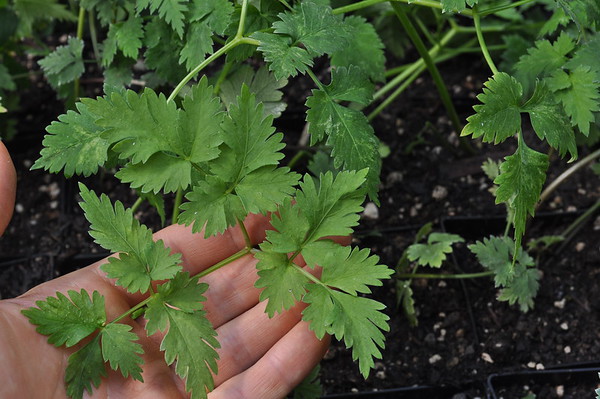
dong quai angelica
Angelica sinensis
Hardy perennial
Tolerates shade
Sold out
Dong quai is a traditional Chinese medicinal herb that is well known for its ability to help strengthen the heart, lung, and liver meridians. The flavor and aroma is bitter, sweet, and warming like garden angelica, but seems to me less pungent.
This is the first year we’ve grown this herb. It’s currently in pots in the greenhouse, so I don’t know how well it likes our garden conditions.
Read moreAmerican persimmon
Diospyrus virginiana
Tree
Adapted to heavy clay soil
Drought tolerant
Edible and delicious fruit
Sold out
Although American persimmons are smaller than their Asian counterparts found in grocery stores, they are just as sweet, juicy, and delicious! While the Japanese Fuyu or Hachiya are grown commercially in California and other warm and dry areas of the southern US, the American persimmon is native to the Appalachians and southeast where they are quite cold hardy. Even in a short and cloudy Willamette Valley summer, these American persimmons ripen very reliably.
This variety is self-fertile, and though it may not set viable seed inside the fruit, an additional male tree is not required for fruit production from this female tree. Persimmons have a tap root and appreciate well-drained soil and plenty of sun, so they are going to be increasingly useful in this area as our climate changes. They don’t need extensive pruning the way that an appple, pear, plum, or other fruit tree does.
Read morebarbed skullcap
Scutellaria barbata
Hardy perennial
Adapted to heavy clay soil
Attracts pollinators
Likes wet soil
Sold out
Barbed skullcap is native to southeast Asia including China and Taiwan, often growing on the edges of rice paddies. The fresh plant is used as a vulnerary to help heal wounds and as an anti-inflammatory for swollen tissue. Researchers are investigation its affects against certain types of cancerous tumors.
Read moreblue skullcap
Scutellaria lateriflora
Hardy perennial
Attracts pollinators
Likes wet soil
Sold out
This species of skullcap is native to moist meadows over a wide area in North America. It is the most popular and common skullcap among herbalists in the U.S.
The tea or tincture of the flowering top is a very effective sedative nervine that not only helps calm the nerves and reduce anxiety, but also helps to relax tight muscles. Further, this is a nutritious plant with lots of minerals and antioxidants that help protect tissues from oxidative damage.
Read moreCalifornia bay
Umbellularia californica
Shrub
Tree
Deer resistant
Drought tolerant
Evergreen leaves
Tolerates shade
Native to the Pacific NW
Sold out
Native to northern California and Oregon, this hardwood shrub in the laurel family grows in sunny or shady hillside forests. I’ve seen it in moist coastal forests as well as in sun drenched clearings in dry forests down south. I appreciate all the common names for this great plant: California bay, bay laurel, myrtlewood, Oregon myrtle, and pepperwood.
This shrub has some of the most fragrant leaves on any plant I know. The aroma is an unforgettable combination of eucalyptus, cedar, pine, cinnamon, and clove. In a sunny place, it produces hearty nuts in fall with a similar aroma. I relish roasted bay nuts, especially covered in chocolate - what a combination!!
Read more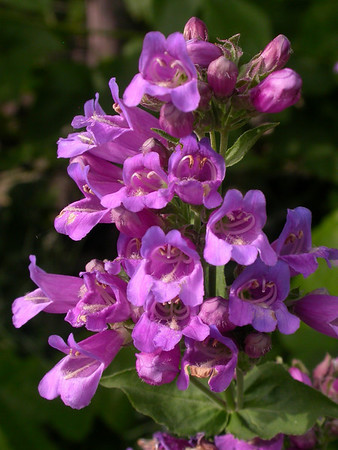
Cascade penstemon
Penstemon serrulatus
Hardy perennial
Attracts pollinators
Native to the Pacific NW
Sold out
We have had great success growing this native penstemon in our gardens. A perennial with striking purple flowers stalks that bloom in mid-summer, Cascade penstemon is easy to grow in our climate. It prefers full sun and good drainage but will tolerate clay soil. It is a great companion to pink flowered native checkermallows and yellow flowered Oregon sunshine - the three colors together are spectacular!
Read more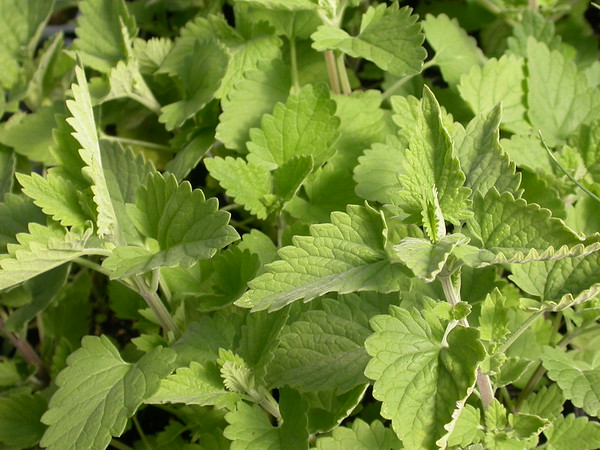
catnip
Nepeta cataria
Hardy perennial
Attracts pollinators
Edible perennial
Tolerates shade
Sold out
Although most people think first of the way that cats go crazy from the aroma of the flower spikes of catnip, it’s also a wonderful herbal medicine. But it has the opposite effect on people - it’s a relaxing nervous system tonic. Catnip tea is also safe for kids and nursing moms.
Catnip grows in a cluster of leaves a few feet tall before it sends up its white flower spikes another couple of feet in the air. It likes sun and rich, moist soil but can tolerate part shade.
Read more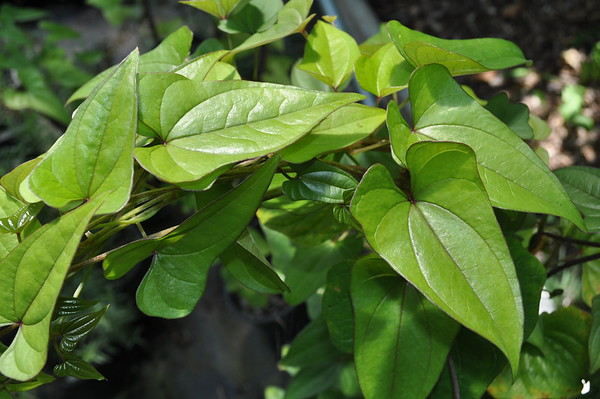
Chinese mountain yam
Dioscorea batatas
Vine
Edible perennial
Fast growing
Tolerates shade
Sold out
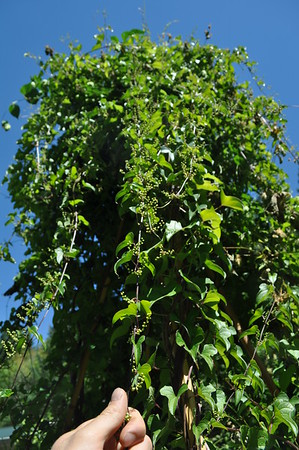
A perennial vine with elegant glossy leaves, Chinese mountain yam can grow up to 15 feet tall each season. It blooms in late summer and produces underground potato-flavored edible tubers which store well and can be kept in the ground all winter. Tae Hak Lee, a UofO nursery intern from Korea, said that his family uses the slippery juice of the tubers to soothe sore throats. Plants prefer full sun and rich soil but can tolerate clay soils and partial shade.
The Apios Institute has collected interesting photos and stories about Chinese Mountain Yam at http://apiosinstitute.org/dioscorea-batatas-chinese-yam
Ken Fern with Plants for a Future provides a nice summary of their experience with Chinese Mountain Yam at http://www.pfaf.org/user/cmspage.aspx?pageid=60
Read more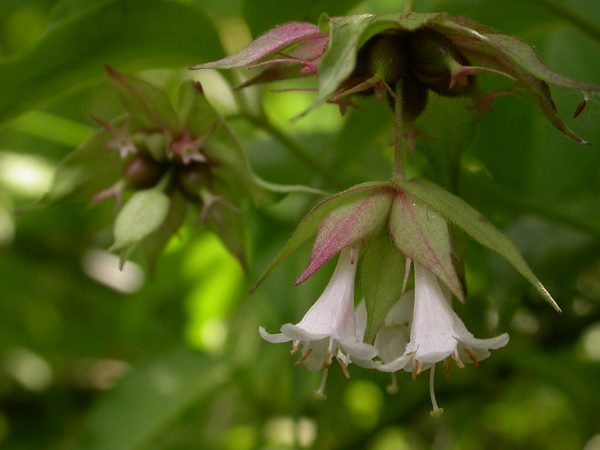
chocolate berry / himalayan honeysuckle
Leycesteria formosa
Shrub
Attracts pollinators
Edible and delicious fruit
Sold out
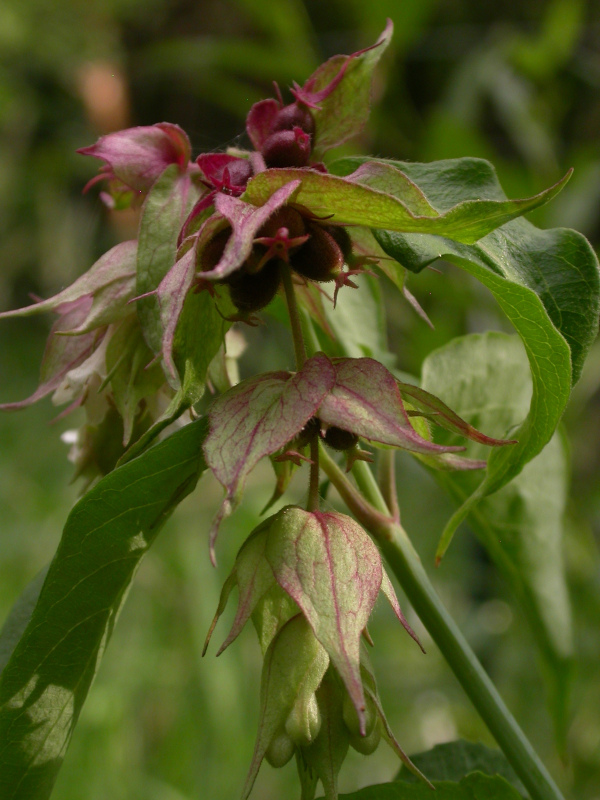
This is a special and very ornamental deciduous shrub. Bright green branches and stalks display elegant clusters of dark brown berry clusters. When ripe, these berries taste like chocolate. This shrub can get above 6 feet but can be easily kept small and beautifully dense with pruning. In cold winters, its above ground parts may die back somewhat.
The unique flavor of this plant’s fruit is sure to please.
Read more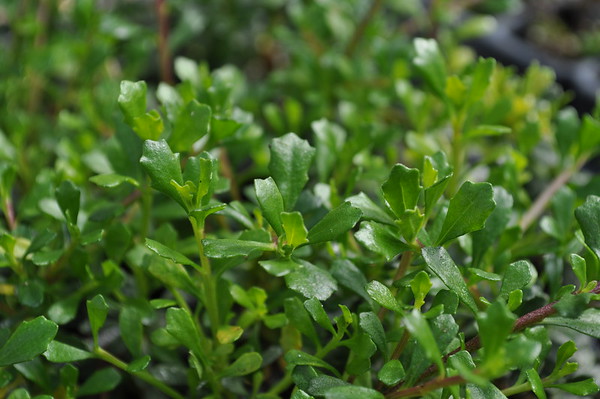
Christmas bush
Baccharis magellenica
Hardy perennial
Deer resistant
Drought tolerant
Evergreen leaves
Hosts bacteria that fix nitrogen
Tolerates shade
Sold out
Christmas bush is a great choice for evergreen ground cover on rock walls or slopes or ornamental gardens. The branches are dense and compact, creating a mat of tiny leaves about 6 inches tall with tiny white flowers that bloom in fall. They grow fairly fast and spread horizontally but don’t invade the rest of the garden. We love the way it grows on our terraced west facing rock wall slope, and requires no care.
Read morecoastal strawberry
Fragaria chiloensis
Hardy perennial
Deer resistant
Drought tolerant
Edible flowers
Evergreen leaves
Fast growing
Native to the Pacific NW
Tolerates shade
Sold out
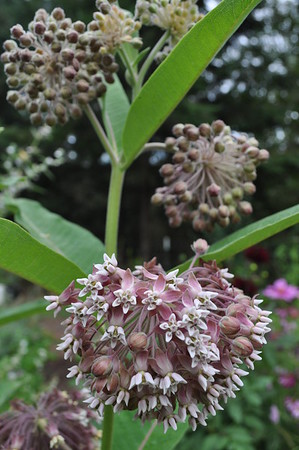
common milkweed
Asclepias syriaca
Hardy perennial
Attracts pollinators
Likes wet soil
Sold out
Common milkweed is very similar to our native showy milkweed, but native to eastern North America. This species is just as showy as the showy milkweed in our garden but a little more pink than white and it blooms later in the summer. Flower stalks can grow up to three or four feet and bloom with a few large flower clusters. This plant is a host for monarch and other butterflies and also has fiber and edible uses.
Plants prefer full sun and good drainage. Milky sap that emerges from a wound in the plant is toxic to mammals including humans, but only in large quantities.
Read more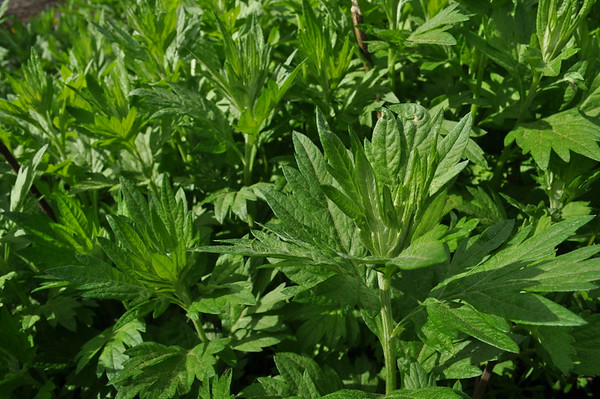
common mugwort
Artemisia vulgaris
Hardy perennial
Adapted to heavy clay soil
Attracts pollinators
Deer resistant
Fast growing
Likes wet soil
Tolerates shade
Sold out
This is the official mugwort native to temperate Europe, Asia, and north Africa often referenced in witches spells and potions. It is a very strong cooling bitter that I like to use in apple cider vinegar as an anti-inflammatory liniment for poison oak or other irritated rashes.
In the garden, either give this plant plenty of space to make a thick stand of dense, spreading six-foot-tall stems, or plant it in a pot.
Read morecoyote brush
Baccharis pilularis
Shrub
Attracts pollinators
Deer resistant
Drought tolerant
Hosts bacteria that fix nitrogen
Evergreen leaves
Native to the Pacific NW
Hedgerows
Sold out
Coyote brush is an evergreen shrub native to Oregon. It is drought tolerant, deer tolerant, and easy to grow. Fast growing, it can grow as high as nine feet but usually is shorter. It responds well to pruning and can be kept at a height of 6 feet or so. This shrub has cream colored blooms in late fall and so is a great pollinator attractor for butterflies and beneficial insects at the end of the season . It prefers sun and good drainage but seems to tolerate heavy clay soil.
Read morecramp bark
Viburnum opulus
Shrub
Attracts pollinators
Sold out
Cramp bark is a deciduous shrub that can grow over 10 feet tall. It has showy white flower clusters and bright red-orange berries that birds love. The bark is used medicinally to reduce smooth muscle tightness. Tolerant of shade and most soil types, cramp bark is great for a hedgerow or woodland garden.
Read moreCrandall clove currant
Ribes odoratum 'Crandell'
Shrub
Attracts pollinators
Edible and delicious fruit
Tolerates shade
Edible flowers
Hedgerows
Sold out
This currant has smooth, lobed leaves and berries that have spicy and gingery tones that ride on top of the sweet and sour currant flavor. It’s yellow flowers brighten the garden in late spring before setting fruit.
Read morecrimson forest bunching onion
Allium fistulosum
Hardy perennial
Attracts pollinators
Edible flowers
Edible perennial
Sold out
This purple and white onion grows round bulbs in clusters that are firm, crisp, and have delicious savory flavor.
Read moreDahurican angelica
Angelica dahurica
Hardy perennial
Attracts pollinators
Edible flowers
Edible perennial
Flavorful tea
Tolerates shade
Sold out
Also known as Bai Zhi in Traditional Chinese Medicine, this angelica species is native to northeastern Asia in Russia, China, Korea, Japan, and Taiwan. This is the first year we’ve grown it in our gardens, and so far, it seems to be quite similar to garden angelica (A. archangelica) in its habit and requirements.
Medicinally, it’s used as a warming and bitter carminative and digestive aid, decongestant, anti-inflammatory, and anti-fungal, which is again very similar to garden angelica. However, the root is also traditionally added to soups in a way that is similar to parsnip, and so I imagine it to be more palatable and less aromatic and pungent than garden angelica. We plan to find out!
Read moreDouglas aster
Aster subspicatus
Hardy perennial
Attracts pollinators
Deer resistant
Drought tolerant
Fast growing
Hedgerows
Native to the Pacific NW
Sold out
This native member of the sunflower family spreads quickly in poor soil with very little care and without summer irrigation. It has spreading blue-flowered aster blossoms late in the summer to provide valuable pollen and nectar for pollinators after most other flowers have faded.
Read more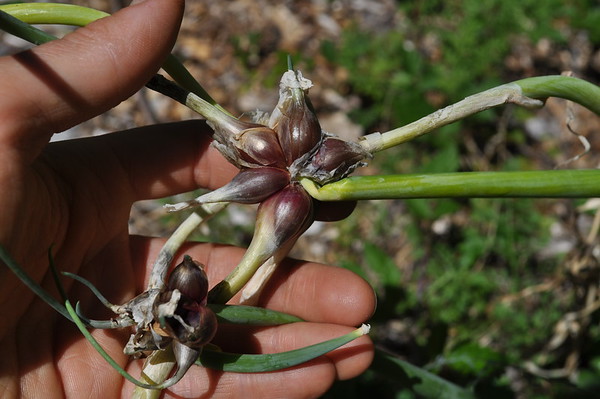
Egyptian walking onion
Allium cepa proliferum
Hardy perennial
Attracts pollinators
Edible flowers
Edible perennial
Sold out
This onion has the funny habit of creating bulbs atop its flowering scapes that grow so big and heavy that the stems bend down and plant the bulblets in the soil about a foot away from the mother clump – sounds like walking, doesn’t it? Plus, the greens and bulbs are delicious!
Read more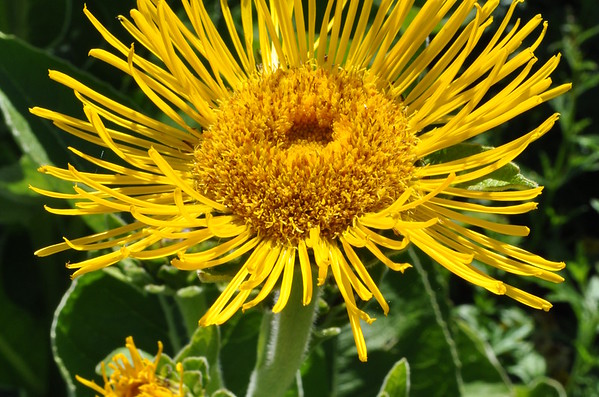
elecampane
Inula helenium
Hardy perennial
Attracts pollinators
Drought tolerant
Sold out
This sturdy herbaceous perennial bears giant leaves, stems up to 6 feet tall, and bright yellow flowers several inches across. Bees and other insects are always buzzing around to sip the nectar. The roots make a warming and soothing expectorant tea or tincture that is also antibacterial. A blue dye can be obtained from the roots.
Read more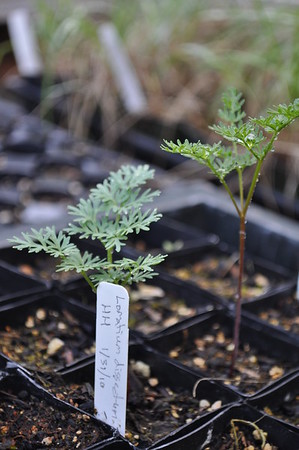
fernleaf biscuitroot
Lomatium dissectum
Hardy perennial
Attracts pollinators
Drought tolerant
Edible flowers
Edible perennial
Native to the Pacific NW
Sold out
Native to well-drained hillsides in the Willamette Valley and the greater Pacific Northwest, this handsome perennial is the subject of an explosion of research for use as an antibacterial and antiviral medicine. The herb, roots, and seeds have a strong parsley-like flavor.
Read more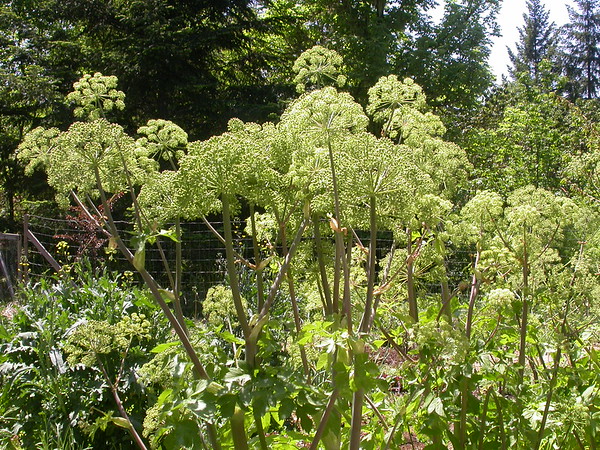
garden angelica
Angelica archangelica
Biennial
Attracts pollinators
Edible flowers
Edible perennial
Fast growing
Sold out
This is one of our favorite spring-producing plants. A biennial, Angelica shoots out of dormancy in winter and grows quickly to its full height, up to six or seven feet. In the parsley family, Angelica has a stunning display of white flower whorls in spring which are great for pollinators and beneficial insects. If you let some seed mature, you will always have Angelica in your garden, even after the flowering plant dies. It prefers garden soil, full sun and reasonable drainage. We harvest the young leaf stalks and boil them in honey to make a delicious and nutritious candy. We also steep the leaves, stems, and seeds in brandy and a little vegetable glycerine to make an excellent after-dinner digestive aid. Be cautious - this emmenagogue can be dangerous to use during pregnancy.
Read more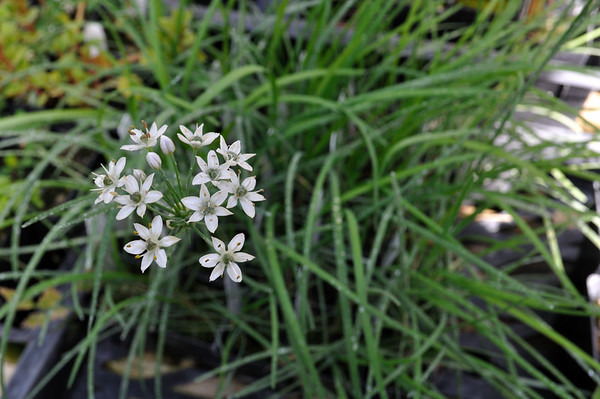
garlic chives
Allium tuberosum
Hardy perennial
Attracts pollinators
Edible flowers
Edible perennial
Tolerates shade
Sold out
It sure is hard to beat the savory flavor of garlic chives! While most garden chives bear pink flowers in summer, garlic chives produce a more open cluster of white blooms. The bulbs and leaves grow much larger than garden chives, so there is more food to harvest!
Read more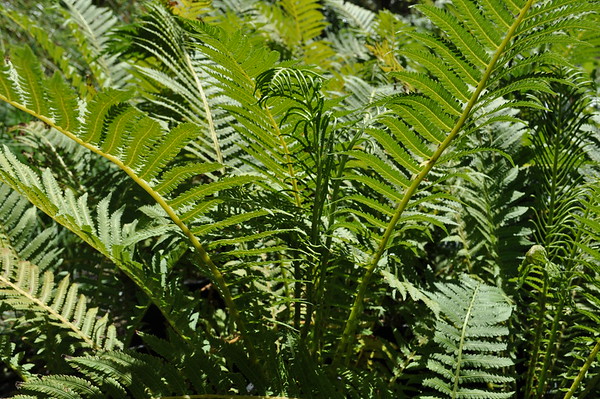
giant ostrich fern
Matteuccia struthiopteris
Hardy perennial
Edible perennial
Tolerates shade
Sold out
Ostrich fern makes the best edible spring fiddleheads of any fern around. I like to brush off the papery scales, add salt, and steam them lightly to bring out the asparagus-like flavor. Though lady fern and bracken fiddleheads are good, these are better!
These plants thrive in moist, rich soil with lots of organic matter in the shade or dappled sunlight under mature trees. If the soil is loose and fertile enough, you’ll have new baby ferns pop up several feet away via underground rhizomes so that you can increase your harvest each year.
Read more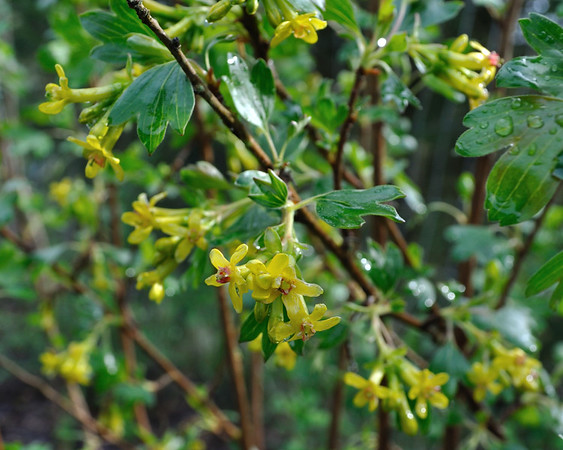
golden currant
Ribes aureum
Shrub
Attracts pollinators
Drought tolerant
Edible and delicious fruit
Edible flowers
Sold out
‘Golden’ currant is larger than the european currants that we grow. It is vigorous and can grow in a variety of soil types and habitats, up to 9 feet tall. It has beautiful clusters of yellow and red flowers in spring that small fragrant with a hint of clove. This shrub produces sweet and juicy, large berries which keep on the bush if the birds don’t get them.
You may see them growing wild in eastern Oregon where they like moist washes in the desert sun. Here in our garden, they produce larger fruit but with less yield than other currants.
Read more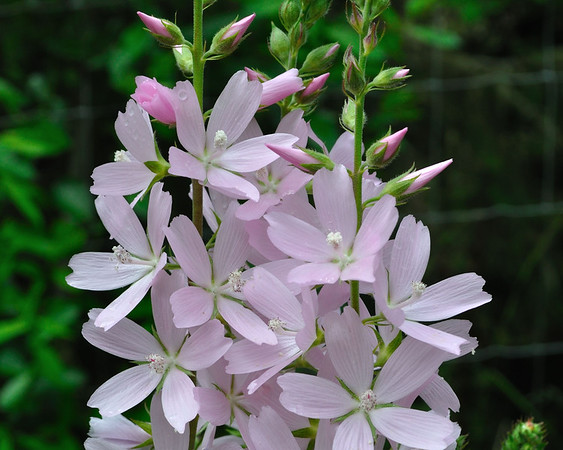
meadow checker-mallow
Sidalcea campestris
Hardy perennial
Adapted to heavy clay soil
Attracts pollinators
Edible flowers
Edible perennial
Likes wet soil
Native to the Pacific NW
Sold out
Native to sunny meadows and dappled shade of open woodlands in the Willamette Valley, meadow checkermallow created a gorgeous display of light pink blossoms up to 6 feet tall. In the shade it may topple over without support, but in the sun, this plant makes a nice fountain shape. It attracts all manner of native bees, butterflies, and other pollinators with its hollyhock-like flowers. It likes moist soil, though it can go without irrigation in summer if it’s in a shady spot.
The leaves and flowers are edible, but they have a few more hairs and are less palatable than Henderson’s checkermallow.
Read more
nodding onion
Allium cernuum
Hardy perennial
Attracts pollinators
Drought tolerant
Edible perennial
Edible flowers
Native to the Pacific NW
Sold out
Nodding onion is a showy native onion that is also a great addition to a perennial vegetable garden. The grass-like leaves can be harvested any time and eaten raw like chives or cooked as green onions. Flower clusters bloom pink in early summer on top of a one foot tall stalk. Unlike most onion flowers, they are tilted and appear to be “nodding”, hence the common name. Very easy to grow and drought tolerant once established, bulbs can be divided in winter and eaten as onions or replanted elsewhere.
Read morecompact oregano
Origanum compactum
Hardy perennial
Edible flowers
Edible perennial
Sold out
Compact oregano has a great flavor! Low growing and spreading, it makes a great ground cover underneath taller herbs. Flowers are bright pink and usually bloom in mid summer. We have found this variety to be hardy and tolerant of clay soils, sun and shade.
Read moreGreek Kalitera oregano
Origanum vulgare ssp. hirtum
Hardy perennial
Deer resistant
Drought tolerant
Edible flowers
Edible perennial
Sold out
Kalitera means “the finest” in Greek, and this oregano lives up to its name. It has a smooth flavor like marjoram without the spicy bitterness found in seed-grown oregano. It grows upright on woody stems and prefers full sun.
Read more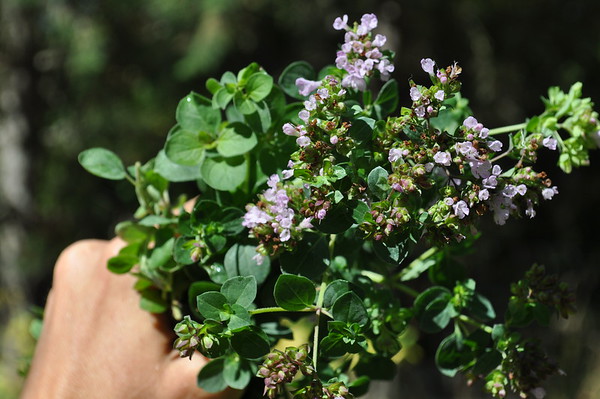
Turkestan oregano
Origanum vulgare ssp. gracile
Hardy perennial
Deer resistant
Edible flowers
Edible perennial
Tolerates shade
Sold out
This dark purple-green oregano is native to Tajikistan and Uzbekistan, and stands out as a very unique variety of culinary oregano. Compared to Greek or Italian oregano, the flavor is more mild and not as spicy, but it still offers a smooth pungency that works so well to pair with many savory dishes. In summer, it produces deep pink-purple flowers that are larger than most culinary oregano flowers.
Read more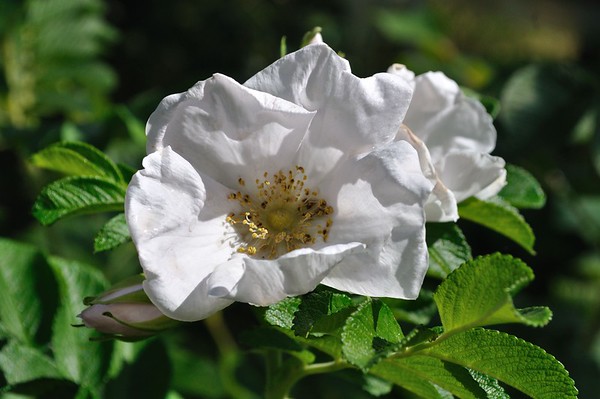
white rugosa rose
Rosa rugosa 'alba'
Shrub
Adapted to heavy clay soil
Attracts pollinators
Edible and delicious fruit
Edible flowers
Flavorful tea
Hedgerows
Sold out
Rugosa rose is a suckering shrub native to asia. It has large and beautiful blooms and the largest rose hips of any rose we know. The rose hips are high in vitamin C and can be eaten fresh or made into preserves, teas, and more. We also know someone who makes amazing jam from the rose petals. The plants are quite thorny and can grow up to 5 or 6 feet but respond well to pruning.
This variety, ‘alba’ has white flowers.
Read morecreamy stonecrop
Sedum oregonense
Hardy perennial
Attracts pollinators
Drought tolerant
Evergreen leaves
Edible flowers
Native to the Pacific NW
Sold out
curly mallow
Malva verticillata var. crispa
Annual
Biennial
Edible flowers
Fast growing
Sold out
Though we usually propagate perennials, this annual mallow is a staple of our summer and fall diet because it is so prolific. So we planted a few seeds into pots to make sure we could share this productive green. Our plants regularly get 7 feet tall, loaded with mild and mucilagenous curly greens until the first hard frost in October.
Read moreDouglas mugwort
Artemisia douglasiana
Hardy perennial
Adapted to heavy clay soil
Deer resistant
Likes wet soil
Native to the Pacific NW
Sold out
Douglas mugwort is my favorite of the species of Artemisia that we grow. It is native to sunny streambanks and partly shady riparian areas of several western states from Oregon to Mexico. It has wide leaves like common mugwort, a short stature like western mugwort. It won’t quickly overpower its garden neighbors the way common mugwort will! It’s not as drought tolerant as western mugwort, but it can handle heavy clay soil more easily.
Read moreeastern spicebush
Calycanthus floridus
Shrub
Attracts pollinators
Deer resistant
Tolerates shade
Sold out
Also known as Carolina allspice, this fragrant deciduous shrub, native to the Southeastern U.S., grows 3 to 8 feet tall and up to ten feet wide. Essentail oil is distilled from the flowers, and the bark releases a camphor smell when scraped. Fragrant red flowers that look like magnolia bloom in early summer. In our climate, this plant tolerates part shade and is deer resistant.
Read moreevening primrose
Oenothera biennis
Biennial
Attracts pollinators
Edible flowers
Edible perennial
Fast growing
Sold out
Evening primrose is a great edition to a pollinator garden because it blooms at night and attract the nighttime pollinators. Every summer evening at dusk, you can watch each pale yellow flower slowly unfurl. Plants are biennial and bloom in the second year. They can grow up to 6 feet tall with many flower stalks. If you cut back finished flower stalks, they may keep on blooming or live another year. Leaves and flowers are edible, and the seed is pressed into oil that is used for women’s hormone regulation. Although it may die after its second year, if you let some flowers go to seed, you will likely see it growing in your garden elsewhere next year.
Read morefragrant orange thyme
Thymus fragrantissimus 'Orange scented'
Hardy perennial
Attracts pollinators
Deer resistant
Drought tolerant
Edible flowers
Flavorful tea
Sold out
Orange scented fragrant thyme has a compact growth form with small leaves more similar to French thyme and German winter thyme than any of the other varieties. What sets it apart is the scent - spicy sweet oranges - wow!
Read moreFrench thyme
Thymus vulgaris 'French'
Hardy perennial
Deer resistant
Drought tolerant
Edible flowers
Evergreen leaves
Flavorful tea
Sold out
French thyme has very small, pointy leaves. It is the most drought tolerant and has the most spicy flavor of the thyme varieties we grow.
Read more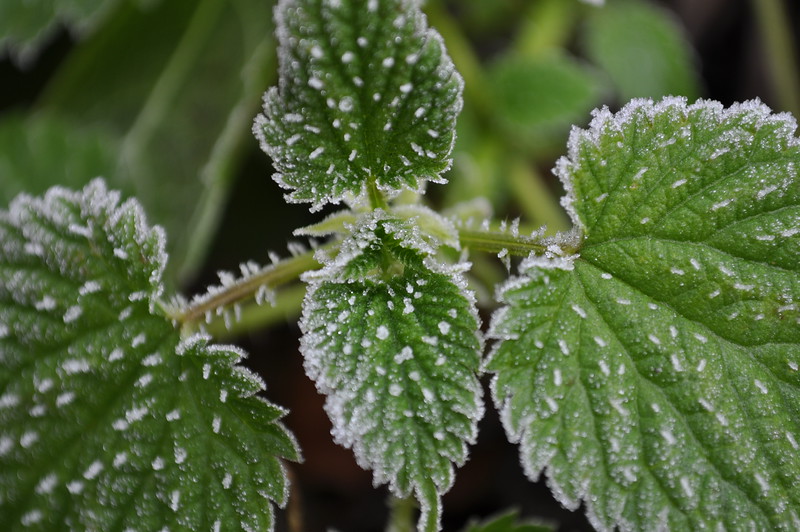
stinging nettle
Urtica dioica ssp. gracilis
Hardy perennial
Edible perennial
Likes wet soil
Native to the Pacific NW
Tolerates shade
Sold out
Stinging nettle is an herbaceous plant that grows in wet soil, often along river beds and stream sides. It spreads below ground by rhizomes but will not spread where it gets dry. Nettles are an excellent addition to any native edible and medicinal garden. They are one of the most delicious and nutritious spring greens to eat. Steamed or stir-fried, nettle leaves lose their sting and can make any dish outstanding. Leaves are used in tea to help with grass pollen and other local allergies. Very high in iron, tea and fresh leaves are perfect for pregnant women. In a garden setting, they are best grown in a wet shady area of the garden away from unsuspecting visitors who could get stung. The stinging quality of nettles, however, has been used for centuries to help people with arthritis and circulation, as a sting will bring blood flow to the area of the sting.
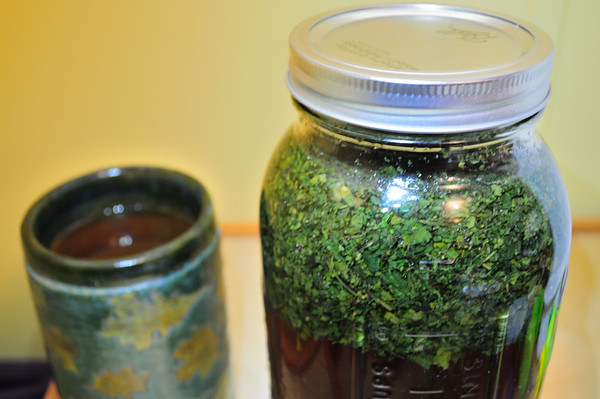
Nettles Infusion
Although you may be familiar with how to make herbal tea, an infusion is quite different. While tea is nice for flavor, relaxation, or medicinal qualities that come from the aromatic oils of an herb, we make herbal infusions to extract the nutritious minerals, vitamins, and proteins from plants. In short, herbal infusions are more like broth than tea.
1. Put 1 ounce (by weight) of dry nettles in a quart jar. We use dry, not fresh herb because once dried, it releases the cell contents to the water more easily. If you have fresh nettles, steam them and eat them like a vegetable instead!
2. Fill to the top with nearly boiling water, close the lid, and let steep overnight.
3. The next morning, strain and refrigerate. It will keep for a few days in the fridge, especially if the lid is not opened.
According to the USDA National Nutrient Database, 1oz of dried nettles has approximately 1092mg calcium (109% DV), 3.72mg iron (20% DV), 129mg magnesium (32% DV), 758mg potassium (21% DV), 4565 IU vitamin A (91% DV), and 1,131µg vitamin K (1,413% DV), and those are just the highlights!
Read more
western spicebush
Calycanthus occidentalis
Shrub
Adapted to heavy clay soil
Attracts pollinators
Deer resistant
Drought tolerant
Tolerates shade
Native to the Pacific NW
Flavorful tea
Sold out
A wonderfully fragrant native shrub, western spicebush is an open, deciduous shrub that tolerates part shade and is deer resistant. Burgunday flowers bloom late spring to early summer and smell great. This shrub can grow up to 8 feet tall and wide. It tolerates heavy clay soil and is fairly drought tolerant. Western spicebush is native to California.
Read moreGarden Grey sage
Salvia officinalis 'Garden Grey'
Hardy perennial
Deer resistant
Edible flowers
Edible perennial
Sold out
This variety of culinary sage bears extra large pink flowers on taller stalks than the common seed-grown sage. Although some ornamental sages have been bred so that they are no longer flavorful, Garden Grey is a fine savory addition to Italian recipes. Like common culinary sage, it has strong astringent, anti-inflammatory and antiseptic properties.
Read more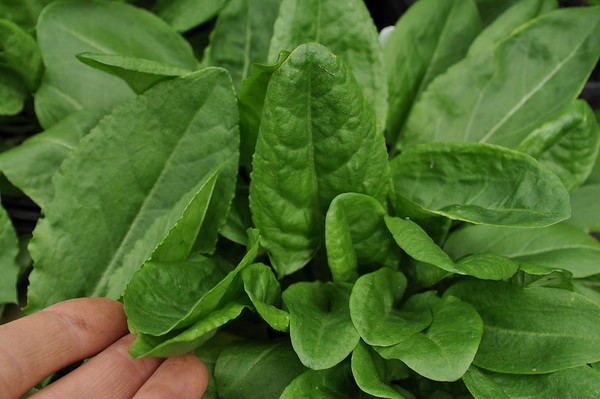
garden sorrel
Rumex acetosa
Hardy perennial
Edible perennial
Tolerates shade
Edible flowers
Fast growing
Sold out
We rely on garden sorrel greens in January and February. Before any other outdoor crop is ready to harvest, garden sorrel is up and abundant! You’ll be glad you put some sorrel in the ground because it produces so many delicious lemony greens late into the fall and early in the spring, just when you really need some vitamin A, vitamin C, and minerals fresh from the garden.
The lemony flavor is a super addition to salads. It is also traditionally cooked in soups and as a steamed vegetable.
Read more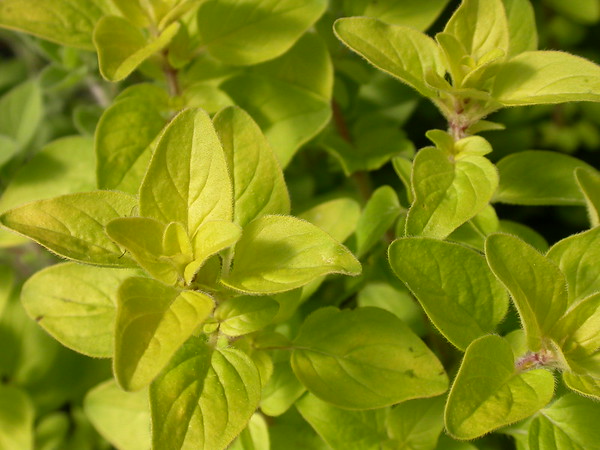
golden oregano
Origanum vulgare 'Aureum'
Hardy perennial
Deer resistant
Drought tolerant
Edible flowers
Edible perennial
Tolerates shade
Sold out
This low-growing oregano has beautiful golden leaves and a nice aromatic flavor for cooking. It prefers full sun, and loses its color in part shade.
Read more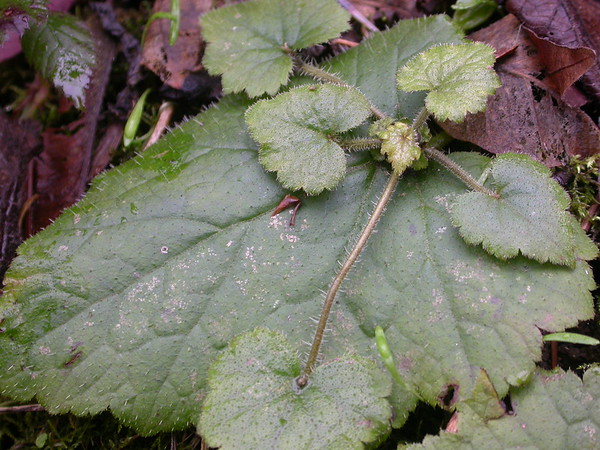
pig-a-back plant
Tolmiea menziesii
Hardy perennial
Likes wet soil
Tolerates shade
Native to the Pacific NW
Sold out
Pig-a-back plant is a trailing perennial ground cover native west of the Cascades that prefers moist forests and shady stream sides where soil is moist throughout the year. It blooms in late spring or early summer, sending up a flower stalk with delicate red or white bell-shaped flowers. It is also grown as a container or houseplant. The name comes from the adorable way that new rosettes of leaves grow on top of the older, larger leaves.
Plant it next to a water feature or shady stream where it can receive misty humidity especially in summer.
Read more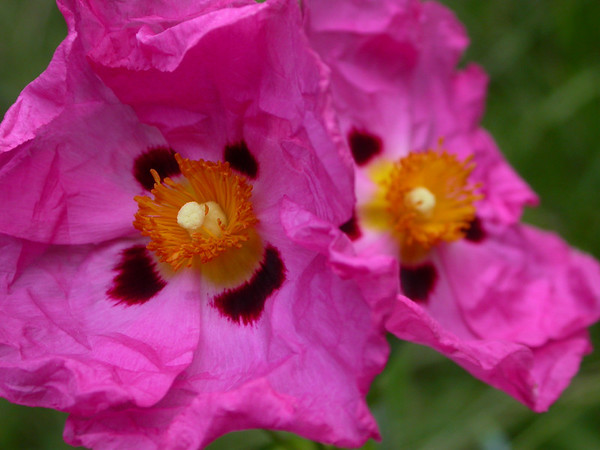
pink orchid rock rose
Cistus x purpureus 'Pink'
Shrub
Attracts pollinators
Deer resistant
Drought tolerant
Hedgerows
Sold out
This variety of rock rose has narrow, resinous leaves and stunning, crinkly pink flowers with four central maroon spots.
Read morepoke
Phytolacca americana
Hardy perennial
Sold out
Poke is native to the sunny plains of the eastern United States. The hardy taproot sends up a flowering stalk up to 6 feet tall that bears small flowers and dark red-purple berries. It is quite adaptable to most moist and partly sunny conditions.
Watch out! The seeds are quite toxic and can cause stomach upset, dizziness, and nausea. However, an oil infusion of the root rubbed externally on the skin is extremely helpful to increase circulation and lymphatic flow, especially for breast cysts.
Read more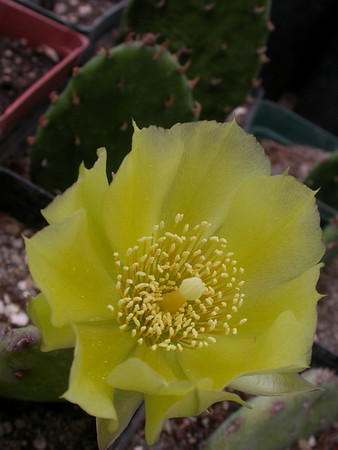
prickly-pear cactus
Opuntia ficus-indica
Hardy perennial
Drought tolerant
Edible and delicious fruit
Edible perennial
Evergreen leaves
Edible flowers
Sold out
This is a compact variety of prickly pear cactus that has edible green pads with no thick spines and small clusters of tiny hair-like prickles. Unlike prickly pear shrubs, this variety stays under two feet tall. It has amazing multi-layered pale yellow flowers in late May or June, and small red fruit. After toasting off the hairs, the tender green pads are called “nopales” and make great green salsa!
Read moreramps
Allium tricoccum
Hardy perennial
Attracts pollinators
Edible flowers
Edible perennial
Tolerates shade
Sold out
Ramps are a wild onion native to the eastern US and Canada. They grow in the thick duff of the dappled shade in the understory of somehat open forest canopies. Ramps appreciate the moist summers of the east, so it’s best to water them a bit in our dry summers. They multiply some, but don’t spread very quickly.
The strap-like onion leaves appear very early in spring, and the little white clusters of flowers appear quite early as well. Each clump of leaves indicates the presence of a shallot-like bulb that is super delicious. They have a really unique flavor that is more tasty than your average onion. The leaves are edible as well.
Read more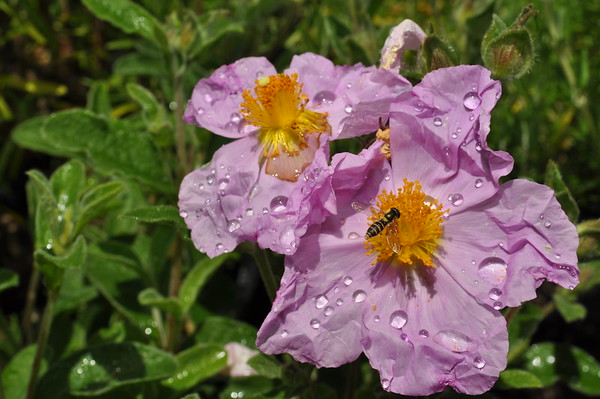
small-leaved rock rose
Cistus incanus creticus
Shrub
Attracts pollinators
Deer resistant
Drought tolerant
Evergreen leaves
Sold out
This fuzzy-leaved rock rose makes a smaller, more compact shrub than the pink orchid or white rock roses. While the others easily reach 3-4ft tall, this variety grows to be a perfectly shaped 2ft round shrub.
Read morethimbleberry
Rubus parviflorus
Hardy perennial
Adapted to heavy clay soil
Attracts pollinators
Edible and delicious fruit
Tolerates shade
Likes wet soil
Edible flowers
Native to the Pacific NW
Sold out
Native to the Pacific Northwest, thimbleberries produce delicate, thimble shaped raspberry-like fruit atop canes up to 5 feet tall. The pretty white flowers in spring brighten up shady corners of the garden. Grows in full or part shade.
Read more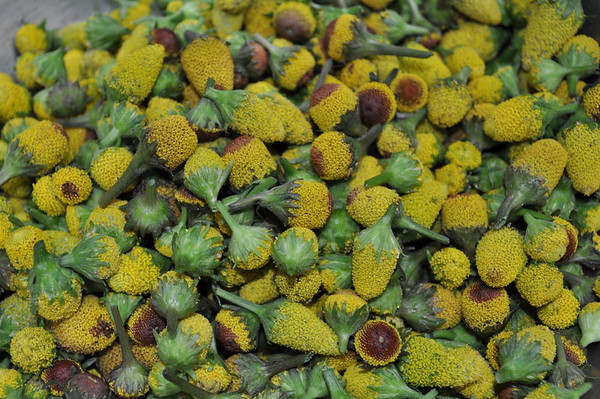
toothache plant
Acmella oleracea
Annual
Edible flowers
Sold out
We grow this tender annual each year at the same timing as tomatoes and basil in our garden. In July and August, it produces striking yellow and red flower heads without any ray flowers, giving the appearance of brightly colored buttons. The first frost kills the plants.
Toothache plant is also known as Szechuan buttons because of the tingling sensation they produce in the mouth when you eat a flower bud or take a dropperful of the tincture. Another well-known name is Spilanthes. A tea, tincture, or just eating the flowers makes your mouth tingle as it activates your salival glands and stimulates your white blood cells to fight infections in the gums, tongue, and mouth. Our family enjoys a mouth wash with a dropperful of tincture in a little water.
Read moregolden roseroot
Rhodiola rosea
Hardy perennial
Drought tolerant
Edible perennial
Edible flowers
Sold out
We have both Scandinavian and Russian cultivars of this alpine astringent and tonic herb. Accustomed to sunny, well-drained, high-elevation rocky meadows, we’ve been able to grow this plant in potting soil with good drainage through the soggy Willamette Valley winters with good success. The succulent leaves eventually make a bright yellow flower that may remind you of stonecrop, a native alpine succulent plant.
Rose root is a very popular herb in Northern Europe and China where people enjoy it as a tonic support to help the body handle stress and cold conditions. The entire plant is edible.
Read moreGoriza rosemary
Rosmarinus officinalis 'Goriza'
Shrub
Deer resistant
Drought tolerant
Attracts pollinators
Evergreen leaves
Edible flowers
Sold out
Henderson's checker-mallow
Sidalcea hendersonii
Hardy perennial
Adapted to heavy clay soil
Attracts pollinators
Edible perennial
Likes wet soil
Edible flowers
Native to the Pacific NW
Sold out
Henderson’s checkermallow is commonly found along the Washington coast, but a few populations grow further south here along the Oregon coast. In the hollyhock family, this perennial grows up to four feet tall. Unlike the rosy checkermallow, it doesn’t spread very quickly, staying nicely contained in a fountain-shaped clump in the garden. The dense pink flowering spikes attract loads of butterflies and bees. Because it’s accustomed to plenty of water along the coast, it prefers moist soil in summer along with full sun to part shade.
Leaves and flowers are a choice edible. We sell them to several gourmet restaurants in town.
Read moreHuntington carpet rosemary
Rosmarinus officinalis 'Huntington carpet'
Shrub
Deer resistant
Drought tolerant
Attracts pollinators
Evergreen leaves
Edible flowers
Sold out
Kenyan toothache plant
Acmella caulirhiza
Annual
Vine
Edible flowers
Sold out
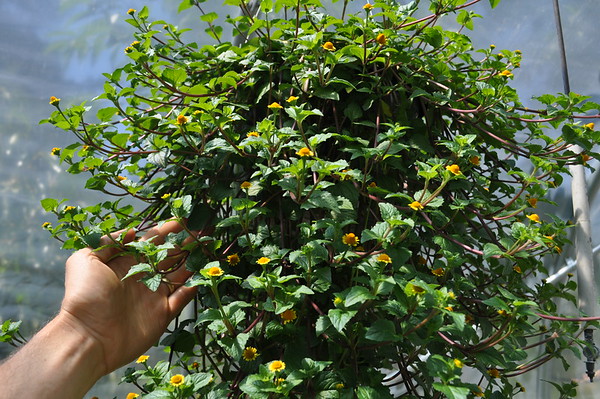
This Kenyan species of toothache plant grows as a ground cover or vine. It’s sensitive to frost but makes a great medicinal annual plant for our climate. We occasionally grow the vines in hanging baskets because they spread so wonderfully and make a great medicinal decoration for the porch in summer and as a houseplant in the winter.
Another well-known name is Kenyan Spilanthes. A tea, tincture, or just eating the flowers makes your mouth tingle as it activates your salival glands and stimulates your white blood cells to fight infections in the gums, tongue, and mouth. Our family enjoys a mouth wash with a dropperful of tincture in a little water.
Read more
lemon verbena
Aloysia triphylla
Tender perennial
Edible flowers
Sold out
Lemon verbena is one of our favorite tea plants. Fast growing in warm weather, aromatic leaves have a strong lemon flavor. We steep it fresh or dry it to enjoy all winter. It prefers full sun and good drainage and can be grown in a pot and would love a greenhouse. In our climate, it usually does not grow more than 3 feet tall and wide. It is a woody shrub but may die back some what while dormant in winter. Be patient and see where the green sprouts as it warms in spring. In mild years, we have grown it outdoors for multiple seasons with protection, but it does not always survive through cold winters that drop below 25 degrees F for multiple days.
Read moreMarshall's Delight beebalm
Monarda didyma 'Marshall's Delight'
Hardy perennial
Attracts pollinators
Deer resistant
Edible perennial
Flavorful tea
Sold out
This pink-flowered variety was developed in Canada to have superb mildew resistance, which can turn the tops of other varieties white and sickly in extra wet weather.
Read more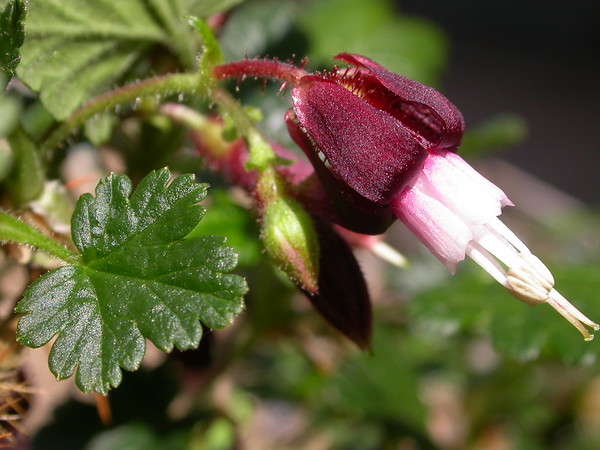
Menzie's gooseberry
Ribes menziesii
Shrub
Attracts pollinators
Deer resistant
Drought tolerant
Edible and delicious fruit
Edible flowers
Native to the Pacific NW
Sold out
This prickly and upright gooseberry shrub is native to California and Oregon. It produces profusions of intricate red and white flowers that look like they are turned inside out. If you are looking for huge yields of berries, however, I recommend a European gooseberry instead.
Read more'Desert King' fig
Ficus carica 'Desert King'
Shrub
Tree
Drought tolerant
Edible and delicious fruit
Sold out
‘Desert King’ is a very good choice for the Northwest. It is early to ripen, productive, and has excellent flavor. Sweet and delicious fruits with green skin and pink pulp ripen in late July or early August. They are ripe when very soft and a bit shriveled. Its important to watch and get them before the birds do. They are an amazing fresh fruit - we have never been able to keep them long enough to preserve!
Read more'Grosso' lavender
Lavandula angustifolia 'Grosso'
Hardy perennial
Attracts pollinators
Deer resistant
Drought tolerant
Edible flowers
Evergreen leaves
Flavorful tea
Sold out
‘Grosso’ is a hybrid Lavindin-type variety that has a dark purple bloom, grey-green leaves, and excellent fragrance fresh or dried. This variety is often used for commercial production because of its very high content of fragrant essential oil.
Read more'Hinnomaki Gold' gooseberry
Ribes uva-crispa 'Hinnomaki Gold'
Shrub
Attracts pollinators
Deer resistant
Edible and delicious fruit
Edible flowers
Hedgerows
Sold out
‘Hinnomaki Gold’ also known as ‘Hinnomaki Yellow” is a very hardy variety, and bushes produce a heavy crop of medium sized, greenish yellow fruits. Some say this variety has a delicious aromatic flavour with a hint of apricot.
Read more'Hinomaki Red' gooseberry
Ribes uva-crispa 'Hinnomaki Red'
Shrub
Attracts pollinators
Deer resistant
Edible and delicious fruit
Edible flowers
Hedgerows
Tolerates shade
Sold out
Hinnomaki Red comes from Finland. The plant bears dark red, sweet and large berries.
Read more'Invicta' green gooseberry
Ribes uva-crispa 'Invicta'
Shrub
Attracts pollinators
Deer resistant
Edible and delicious fruit
Edible flowers
Hedgerows
Tolerates shade
Sold out
‘Invicta’ produces high yields of large dessert quality green fruit, and is considered by many to be the best variety in North America. It has excellent flavor, is mildew resistant, and is more spiny than some varieties, which is better for deer resistance.
Read more'Neveralla' fig
Ficus carica 'Neveralla'
Tree
Drought tolerant
Edible and delicious fruit
Sold out
Also known as Osborne Prolific, this fig produces a pretty small to medium sized fruit that is purple with yellowish stripes and a rosy interior. Yum!
Read more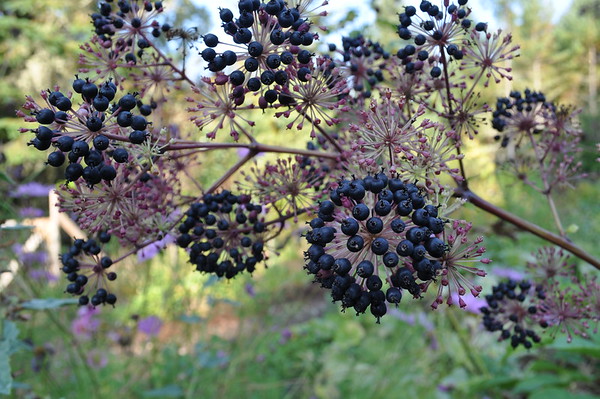
Oregon ginseng
Aralia californica
Hardy perennial
Attracts pollinators
Edible and delicious fruit
Edible perennial
Tolerates shade
Likes wet soil
Native to the Pacific NW
Flavorful tea
Sold out
Although some know it as California ginseng, elk clover, or spikenard, I think Oregon ginseng is quite fitting for a plant that inhabits shady, moist seasonal creeks in deep coniferous forests as well as sandy gravel beds in the dappled sunshine of alder and maple along rivers. We also grow it in our garden like a vegetable, giving it sunshine, rich soil, and plenty of water in the dry summer, so that the berry-filled stems get to be 6-7 feet tall.
A tincture of the resinous root helps to warm up poor circulation to the extremities, move phlegm up and out of the lungs and sinuses, and supports recovery from adrenal fatigue. A honey-based syrup of the berries with a little brandy makes an incredible warming winter treat! If I only had more garden space…
Read more'Nugget' hops
Humulus lupus 'Nugget'
Vine
Sold out
“Nugget” is popular for brewing because of its strong bitterness and fruity aroma. It’s often added late in the process to impart its unique flavor.
Hops are a wonderful choice for summer shade screen and, of course, for beer making. They grow vigorously with enough sun and water. We reccomend growing them in post unless you are very certain of your long-term location because they take a bit fo work to completely remove from the soil. They prefer to grow up strings, and will grow over 20 feet tall if they have a strong and tall trellis. We have about five plants that grow up our west-facing porch to provide lush shade all summer long.
Read more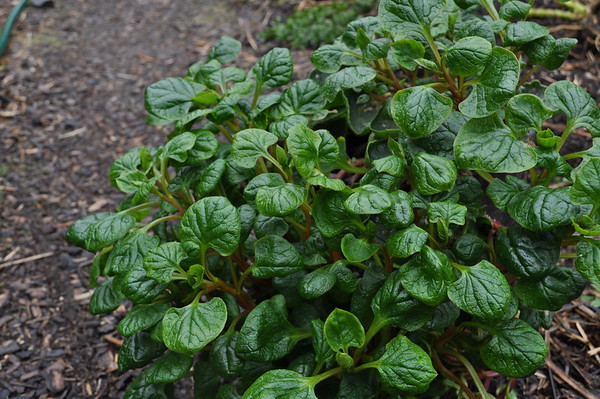
'Pica de Pulga' ulluco
Ullucus tuberosus 'Pica de Pulga'
Tender perennial
Edible perennial
Sold out
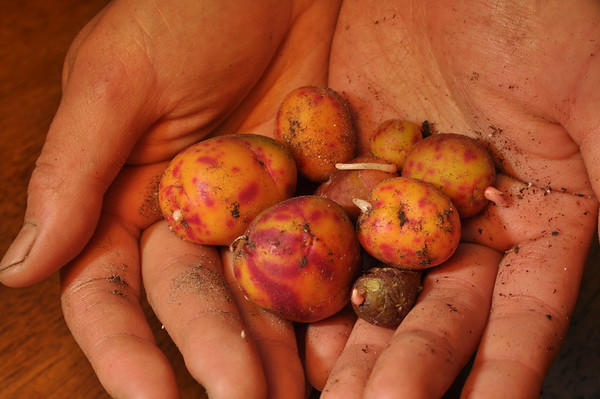
This variety of ulluco is one of the most common and productive in our climate. The pink and yellow tubers might have a bit of green, which makes them just so cute with all three colors!
Read more'Pixwell' gooseberry
Ribes uva-crispa 'Pixwell'
Shrub
Attracts pollinators
Deer resistant
Edible flowers
Hedgerows
Tolerates shade
Sold out
Pixwell is almost thornless. Berries can be harvested when green for pie and jam or harvested when soft and pink for fresh eating. Very productive and fruit is easy to harvest clusters. Mildew resistant and has beautiful purple foliage in autumn.
Read more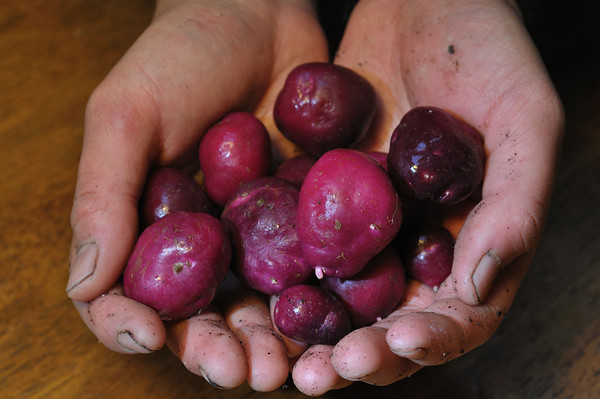
'Purple' ulluco
Ullucus tuberosus 'Purple'
Tender perennial
Edible perennial
Sold out
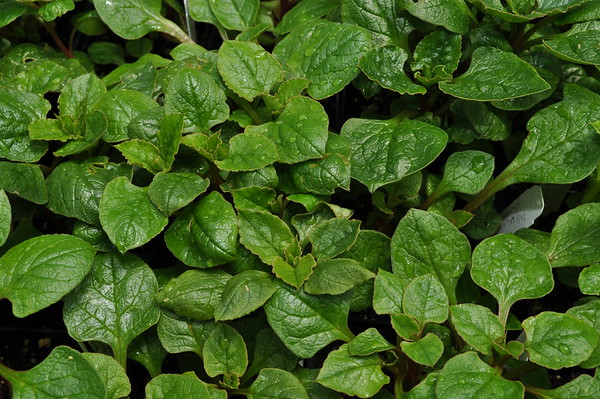
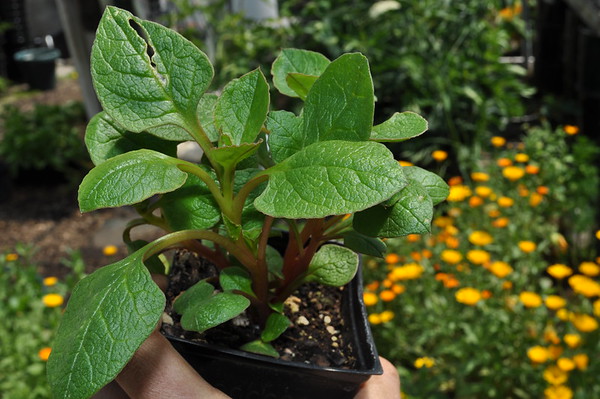
With violet colored tubers, peach colored stems, and really fast leaf growth, this variety is not only eye-catching but also produces loads of fresh spinach-like leaves for us week after week.
Read more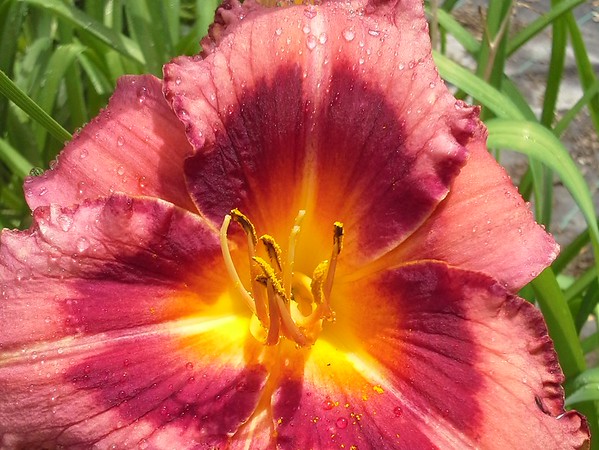
'Raspberry Red' daylily
Hemerocallis fulva 'Raspberry Red'
Hardy perennial
Attracts pollinators
Edible perennial
Edible flowers
Fast growing
Sold out
This multicolored red variety of daylily really stands out against a green backdrop!
Read more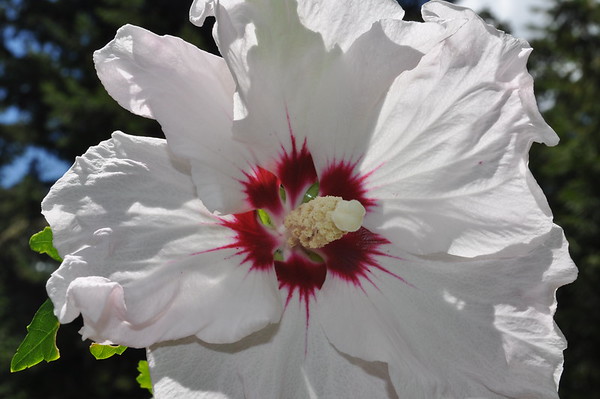
'Red Heart' rose of sharon
Hibiscus syriacus 'Red Heart'
Shrub
Attracts pollinators
Edible flowers
Edible perennial
Sold out
‘Red Heart’ has a white bloom with a red center and grows very vigorously in our climate. I’ve seen shrubs over 6 feet tall.
Read more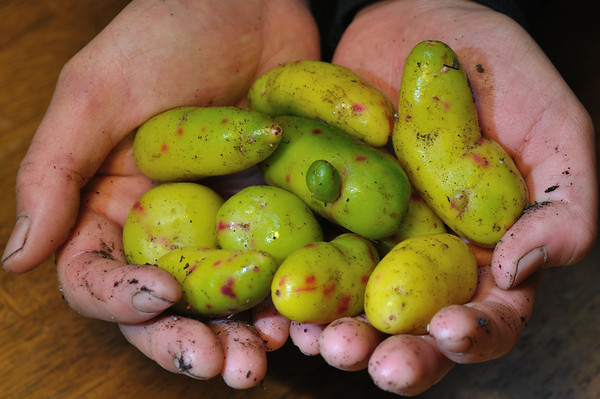
'Rosas en el Pasto' ulluco
Ullucus tuberosus 'Rosas en el Pasto'
Tender perennial
Edible perennial
Sold out
The little red polka dots on the yellow-green tubers of this variety certainly do look like roses in the pasture!
Read more'Sabine' gooseberry
Ribes uva-crispa 'Sabine'
Shrub
Attracts pollinators
Deer resistant
Edible flowers
Hedgerows
Tolerates shade
Sold out
Sabine is a variety we originally obtained from the USDA Germplasm Repository in Corvallis Oregon. This vigorous and disease resistant plant has a medium sized red berry.
Read more'Seascape' strawberry
Fragaria x ananassa 'Seascape'
Hardy perennial
Attracts pollinators
Edible and delicious fruit
Edible flowers
Sold out
‘Seascape’ is a good choice if you want to harvest strawberries throughout summer and early fall. The best choice is to grow some of this variety adn some of ‘June’, and then you will haev strawberries starting in May. These planst spread by stolons above ground and will make a nice groundcover for an edible garden. They also grow well in containers.
Read more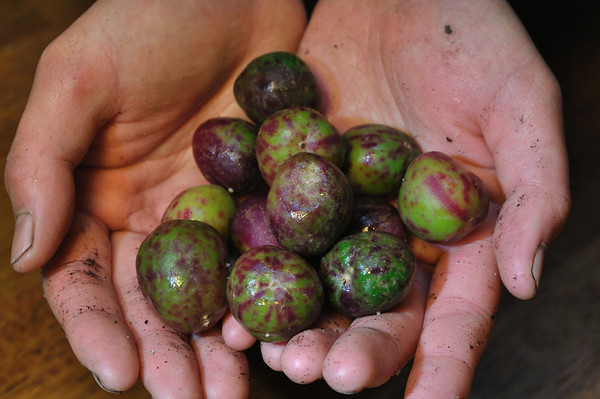
'Spotted White' ulluco
Ullucus tuberosus 'Spotted White'
Tender perennial
Edible perennial
Sold out
These speckled green and red tubers are a bit smaller than the others, but their cuteness makes up for it.
Read more'Tulameen' raspberry
Rubus idaeus 'Tulameen'
Hardy perennial
Shrub
Edible and delicious fruit
Edible flowers
Sold out
Bred in Canada, ‘Tulameen’ has very large red fruit, even bigger than the large-fruited commercial variety ‘Meeker’. Unlike ‘Cascade Red’, it prefers well-drained soil.
Raspberry canes produce the most with full sun and frequent water in summer. Prune back the old canes from the previous year to encourage the new growth.
Read more'Waldo' gooseberry
Ribes x 'Waldo'
Shrub
Attracts pollinators
Deer resistant
Edible and delicious fruit
Edible flowers
Hedgerows
Sold out
Waldo is a purple gooseberry originally brought to us by Rick Valley, a wise local Permaculture landscaper. It was the result of hybridizations from Dr. George Waldo. It has sweet purple fruits and grows vigorously.
Read more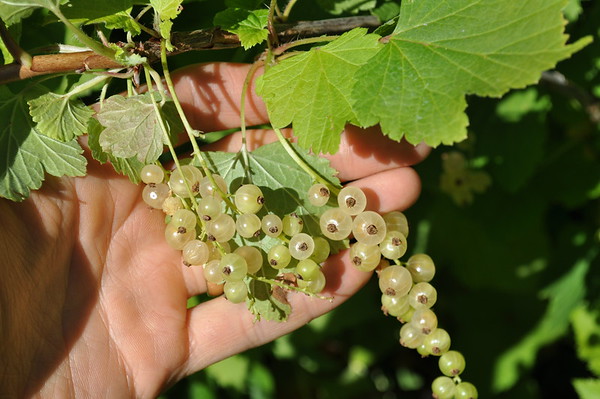
'White Imperial' currant
Ribes rubrum 'White Imperial'
Shrub
Attracts pollinators
Edible and delicious fruit
Edible flowers
Hedgerows
Sold out
White currants are the sweetest of the European currants and White Imperial has great flavor. Almost all currant lovers that we talk to choose white currants for sweet flavor. These shrubs are generally no more than 4-5 feet tall and wide. If pruned yearly, they can be very productive. Clusters of translucent berries are also beautiful. They prefer a little shade but will be very productive in sun with enough water. They are very easy to grow in our climate.
Read more'York' elderberry
Sambucus canadensis 'York'
Shrub
Tree
Attracts pollinators
Edible and delicious fruit
Edible flowers
Sold out
‘York’ is a variety of American elder selected from the cross of Adams #2 and Ezyoff at the Geneva Experiment Station in New York in 1964. Its medium-sized dark berries ripen slightly later than ‘Adams’ and ‘Nova’. Although it may have better yields with a second variety planted nearby, ‘York’ also fruits well on its own.
Read morealpine strawberry
Fragaria vesca
Hardy perennial
Attracts pollinators
Edible and delicious fruit
Edible flowers
Native to the Pacific NW
Sold out
Native throughout most of the northern hemisphere, alpine strawberry is that amazingly sweet wild strawberry you remember from childhood. Small fruits pack superb flavor. Plants are vigorous in a garden setting as they grow wild in meadows and all sorts of sunny places. At our sanctuary, alpine strawberry grows in shadey wet areas as well as on top of the open dry oak hillside. Very easy to grow and fun to find in fruit, we reccomend adding this to your native edible garden.
Read more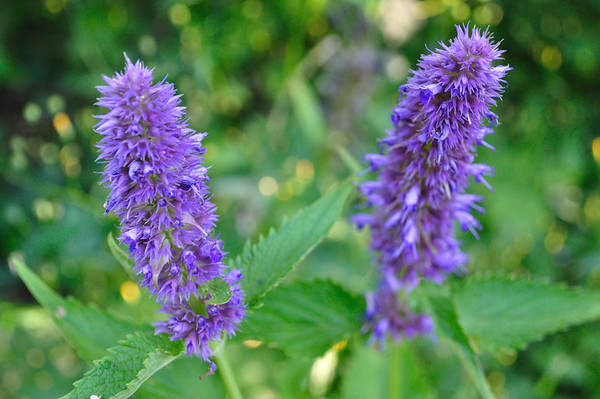
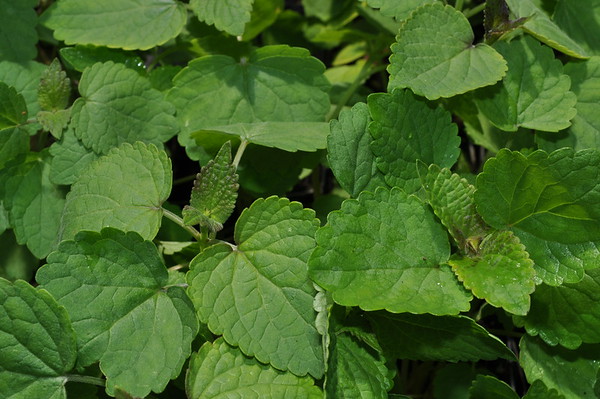
anise hyssop
Agastache foeniculum
Hardy perennial
Attracts pollinators
Edible flowers
Edible perennial
Flavorful tea
Sold out
A great addition to any perennial garden, anise hyssop is a beautiful summer blooming perennial with edible leaves and flowers. The leaves, when steeped fresh or dried, make a refreshing minty tea. The purple blooms attract hummingbirds and butterflies. Growing to two to three feet tall and wide, this plant does best in well drained garden soil in a sunny spot but can tolerate some shade.
Read moreBBQ rosemary
Rosmarinus officinalis 'BBQ'
Shrub
Deer resistant
Drought tolerant
Attracts pollinators
Evergreen leaves
Edible flowers
Sold out

bigleaf lupine
Lupinus polyphyllus
Hardy perennial
Adapted to heavy clay soil
Attracts pollinators
Hosts bacteria that fix nitrogen
Likes wet soil
Native to the Pacific NW
Sold out
This perennial produces massive flowering stalks several feet tall that smell sweet and attract bees. Native to wetlands in the Willamette Valley and the Pacific Northwest, it performs really well in sunny garden conditions with moist clay soil.
Read moreblack twinberry
Lonicera involucrata var. involucrata
Shrub
Attracts pollinators
Native to the Pacific NW
Tolerates shade
Sold out
Black twinberry, native to Oregon, is an excellent hummingbird plant. This deciduous shrub can grow up to 6 feet tall and 10 feet wide. It can grow in sun or part shade. Flowers are bright yellow, long and tubular, and berries are black with red edges. Not usually eaten by humans, the fruit is great for birds.
Read moreblack velvet gooseberry
Ribes uva-crispa 'Black Velvet'
Shrub
Attracts pollinators
Deer resistant
Edible flowers
Hedgerows
Tolerates shade
Sold out
Black Velvet is a very disease resistant, vigorous and productive plant with sweet, dark purple berries.
Read moreblackcap raspberry
Rubus leucodermis var. leucodermis
Hardy perennial
Attracts pollinators
Edible and delicious fruit
Edible flowers
Native to the Pacific NW
Tolerates shade
Sold out
Blackcap raspberry is one of the most delicious native fruits in our area. It is also not well know because it is not as common as the wild blackberries. The blackcap is a cane fruit that grows from a single clump and can spread by tip rooting but is not vigorous like the non-native himalayan/armenian blackberry. These cane fruit prefer some shade but enough sun to ripen their purple fruit, which has a flavor that is a mix of raspberry and blackberry. The canes are showy, with a purple/white film that stands out in a hedge.
Read morebroad-leaved plantain
Plantago major
Hardy perennial
Adapted to heavy clay soil
Edible perennial
Tolerates shade
Sold out
If I were stranded with only one plant to choose for my garden, broad-leaved plantain would be my top choice. The whole plant is completely edible, raw and cooked. I’ve used it to help heal wounds, soothe irritated skin, and restore moisture and tone to mucus membranes. An infusion of the leaves has lots of calcium, iron and vitamins. It’s soothing, helps support digestion, and gently cools inflammatory conditions such as asthma and hayfever.
Once you have some plantain in your garden, it will self-seed and you will be grateful for the abundance of good food! We cultivate it in all of our garden paths and in between beds. It’s most productive in sun and rich moist soil, though it will grow in just about any conditions.
Read moreCalifornia lomatium
Lomatium californicum
Hardy perennial
Attracts pollinators
Drought tolerant
Edible flowers
Edible perennial
Native to the Pacific NW
Tolerates shade
Sold out
Native to dry, brushy and forested hill slopes in northern California and southern Oregon, this is the largest species of biscuitroot that we grow. I’ve seen it up to 4 feet tall and several feet wide growing under the right conditions. Besides its use as a traditional food and herbal medicine, it is the subject of current research for its antibacterial properties.
Read moreCanada goldenrod
Solidago canadensis
Hardy perennial
Adapted to heavy clay soil
Attracts pollinators
Native to the Pacific NW
Sold out
A very vigorous perennial native to much of North America, Canada goldenrod can quickly colonize sunny, moist meadows and gardens. It’s bright and canary yellow inflorescences grow upwards from two to four foot tall and attract lots of pollinators!
The infusion of the leaves and flowers helps our bodies handle colds, sore throats, fevers, kidney problems, and poor tissue tone due to its astringent, diaphoretic, and anti-inflammatory actions. Externally, the root poultice has been known to help heal wounds and muscle and joint strains.
Read moreCanadice grape
Vitis vinifera 'Canadice'
Vine
Adapted to heavy clay soil
Drought tolerant
Edible and delicious fruit
Sold out
Canadice is a delicious seedless red table grape. It ripens at the later end of grape season, in early fall. Canadice is self-pollinating. Very easy to grow and drought tolerant.
Read more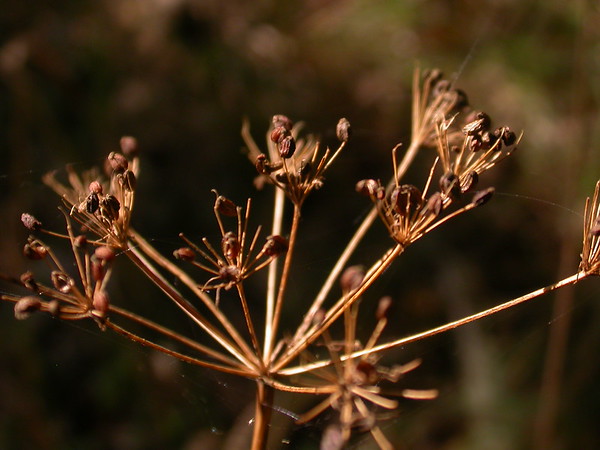
celery leaved licorice-root
Ligusticum apiifolium
Hardy perennial
Attracts pollinators
Drought tolerant
Tolerates shade
Edible flowers
Native to the Pacific NW
Flavorful tea
Sold out
Native oak woodlands and meadows throughout the Pacific Northwest, licorice root, also known as celery-leaved lovage, is an herbaceous perennial in the carrot family. The leaves are edible and can be eaten in small quantities to stimulate digestion. White umbel flowers bloom in mid-June. This plant grows well in partial shade and doesn’t need water in summer. The seeds make a wonderfully aromatic spice similar to caraway or celery seed. The root does indeed taste like licorice or anise, and makes a very aromatic tea.
Read more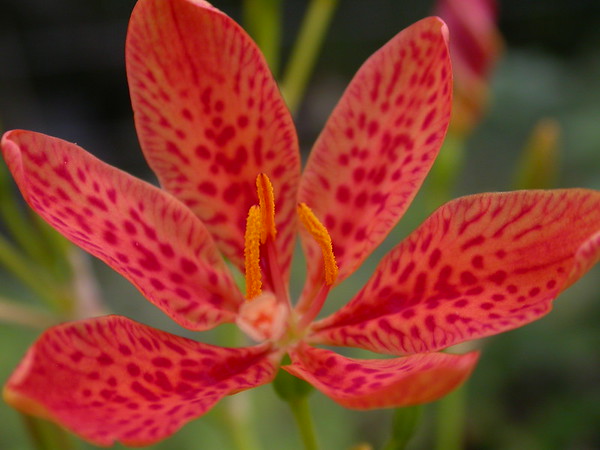
Chinese leopard lily
Belamcanda chinensis
Hardy perennial
Attracts pollinators
Sold out
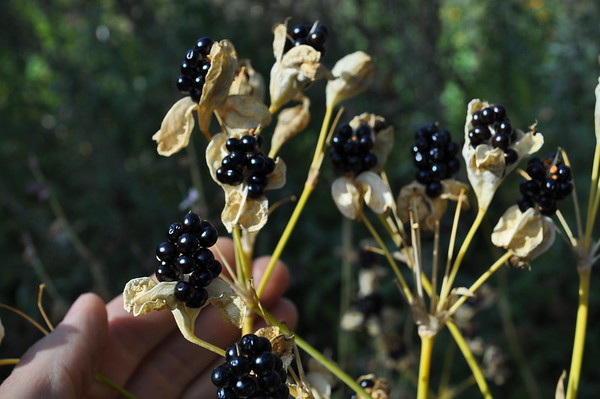
This leopard lily has now had its botanical name changed to Iris domestica. This is somewhat more accurate as it is an iris, not a lily. Leaves look like gladiolus and grow just over a foot tall. Flower stalks can reach 2 feet and the delicate showy flowers are orange with black dots. The dry fruit capsules open up to reveal black seeds that look like oversized blackberries, which has earned it the nickname “blackberry lily.” It is known in China and elsewhere for its medicinal properties. It does best in garden soil with full sun.
Read more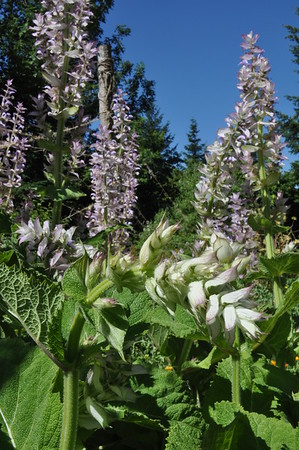
clary sage
Salvia sclarea
Biennial
Adapted to heavy clay soil
Attracts pollinators
Deer resistant
Edible flowers
Flavorful tea
Sold out
With the sweet and spicy aroma of grapefruit and pine, clary sage brightens our day with its scent as well as with its spikes of white and purple flowers. This biennial starts out the first year as a basal rosette, and then blooms up to four feet tall in the second year.
Several farmers in the Willamette Valley cultivate clary sage to harvest the essential oil. Skip the tractors and the bottling facility! Grow this wonderful herb right at home.
Read moreEnglish 'Munstead' lavender
Lavandula angustifolia 'Munstead'
Hardy perennial
Attracts pollinators
Deer resistant
Drought tolerant
Edible flowers
Evergreen leaves
Flavorful tea
Sold out
‘Munstead’ is an English lavender that is well-known for its heat tolerance and compact form. The tall spikes of deep purple fragrant blossoms are more densely flowered than ‘Vera’.
Read moreEnglish 'Vera' lavender
Lavandula angustifolia 'Vera'
Hardy perennial
Attracts pollinators
Drought tolerant
Evergreen leaves
Edible flowers
Flavorful tea
Sold out
‘Vera’ is a cold-hardy heirloom English lavender. It is considered the original and true variety traditionally grown at high elevation in the French alps. In our garden, ‘Vera’ produces tall flowering stalks with abundant purple blossoms.
Read more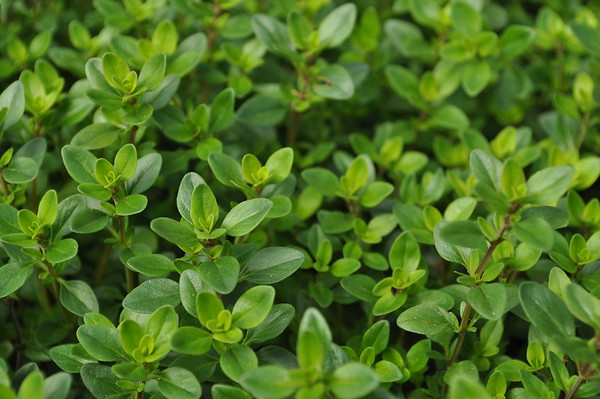
English Tabor thyme
Thymus vulgaris
Hardy perennial
Deer resistant
Evergreen leaves
Edible flowers
Flavorful tea
Sold out
English Tabor thyme has wide leaves that are the most broad, green, and juicy of any thyme we’ve grown. Whereas other varieties are often quite spicy and pungent, this thyme is mild tasting but still has the herbal aromatic qualities that all thyme varieties share. Although all thyme varieties like sun and well-drained soil, this one is relatively tolerant of part shade and moist soil. Remind you of England?
Read more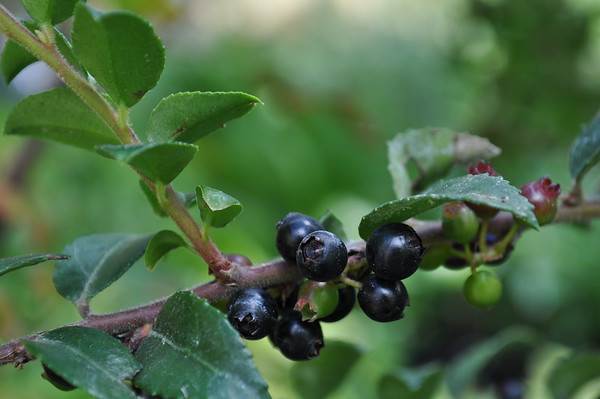
evergreen huckleberry
Vaccinium ovatum
Shrub
Attracts pollinators
Deer resistant
Edible and delicious fruit
Edible flowers
Evergreen leaves
Native to the Pacific NW
Tolerates shade
Sold out
Evergreen Huckleberry is a great northwest native evergreen shrub. It has delicate white and pink flowers, evergreen leaves and glossy, black berries. In the WiIlamette Valley, shrubs grow to 4 feet tall. On the coast, however, they can grow up to 10 feet tall. Plants prefer acidic soil and some shade. For best fruit production, plant in a sunnier location.
Read more
female Cordifolia hardy kiwi
Actinidea arguta var. cordifolia
Vine
Edible and delicious fruit
Sold out
This variety produces very well in our partly shady garden. A neighbor of ours has a vine that towers overhead, engulfing a fence and raining down fruit.
Read more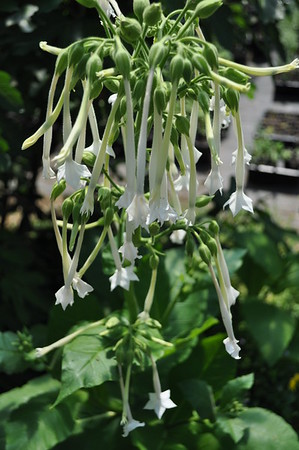
fragrant tobacco
Nicotania alata
Annual
Tender perennial
Attracts pollinators
Deer resistant
Fast growing
Sold out
Growing up to 5 feet tall, this sticky-leaved flowering tobacco produces drooping white flowers that are one of the most sweet and fragrant blossoms I know. They will fill the garden with perfume in June and July!
Likes sun, rich soil, and summer water. Be careful - the entire plant is poisonous.
Read more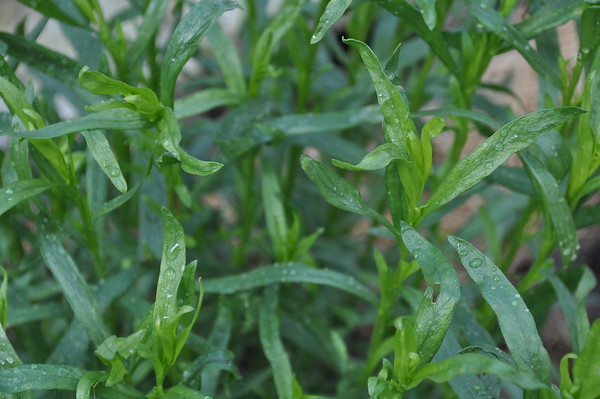
French tarragon
Artemisia dracunculus var. sativa
Tender perennial
Edible perennial
Sold out
There is no substitute for fresh tarragon - drizzled with butter on fresh bread, sprinkled on mild flavored fish or chicken, or adding body and aroma to herbal vinegars - it’s hard to get enough! Don’t bother with dried tarragon - it tastes like cardboard compared to the fresh herb. Good tarragon not only has a sweet, anise-like flavor and grassy taste, but it also makes your tongue tingle!
French tarragon is not to be confused with the seed-grown Russian or Mexican varieties. Give it plenty of sun, rich, moist soil, and protect the rhizomes from temperatures below freezing by piling on lots of mulch in fall. The spring shoots will poke through when the soil warms up.
Read moreGlenora grape
Vitis vinifera 'Glenora'
Vine
Adapted to heavy clay soil
Drought tolerant
Edible and delicious fruit
Sold out
Glenora is a concord -type seedless grape. Grapes are medium to large size and have a deep dark blue color. It is self-pollinating. Very easy to grow and drought tolerant.
Read moreGood King Henry
Blitum (Chenopodium) bonus-henricus
Hardy perennial
Edible perennial
Tolerates shade
Sold out
Good King Henry is a perennial vegetable closely related to spinach that produces delicious green shoots in early spring and succulent leaves in late spring and summer. In a partly shady location with moist and rich soil in summer, you’ll have more greens than if you had planted spinach, and a plant that gets bigger instead of dying each year. Although some like it raw, I find the uncooked leaves too astringent. Cooked like spinach, on the other hand, they are delectable.
Read moreHimrod grape
Vitis vinifera 'Himrod'
Vine
Adapted to heavy clay soil
Drought tolerant
Edible and delicious fruit
Sold out
‘Himrod’ is an excellent sweet green seedless table grape. It is very productive. Fruits turn golden when ripe, which is usually late summer. It is self-pollinating. Very easy to grow and drought tolerant.
Read more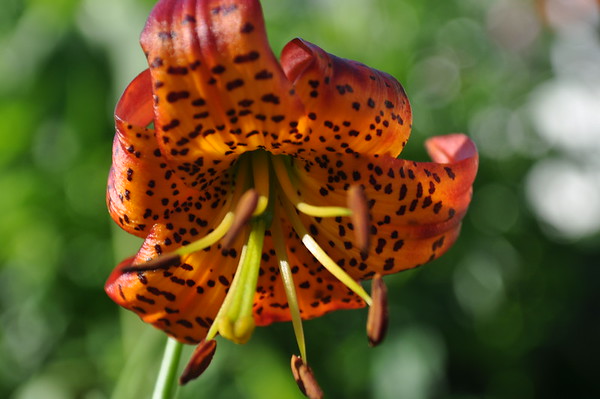
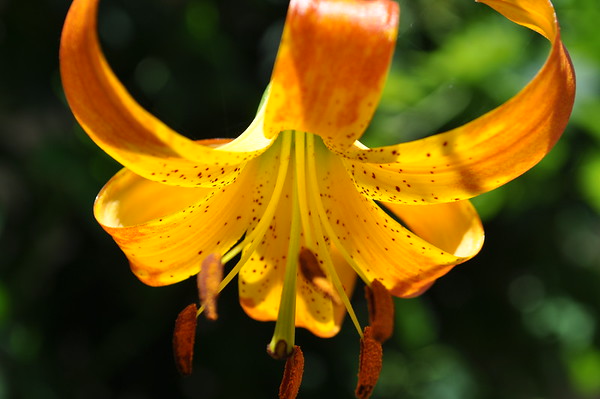
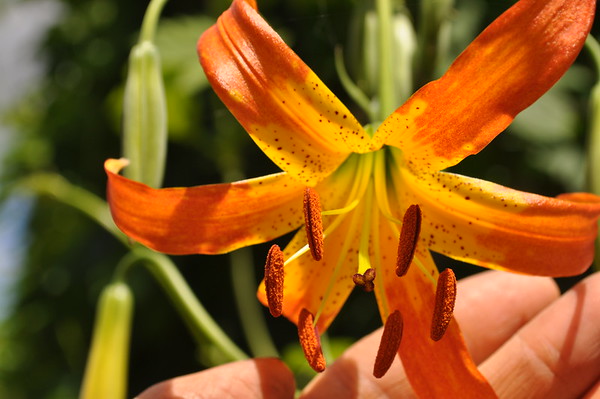
hybrid lemon leopard lily
Lilium pardalium x parryi
Hardy perennial
Attracts pollinators
Edible flowers
Sold out
Our leopard lily mother bore seeds that were fertilized by lemon lily pollen, and this is the first generation of the hybrid. Some of the hybrid flowers turned out yellow orange with long spreading tepals, and others were red orange with quite reflexed tepals! Lemon lily is native to the southwestern U.S., and this particular leopard lily variety is native to northern California, so the next generation will be ready for warmer and drier Oregon summers.
Read moreJahn's Prairie gooseberry
Ribes oxyacanthoides 'Jahn's Prairie'
Shrub
Attracts pollinators
Deer resistant
Edible and delicious fruit
Edible flowers
Hedgerows
Sold out
A favorite gooseberry here at Fern Hill, ‘Jahn’s Prairie’ produces hearty yields of large dessert quality red-pink fruit in midsummer. This shrub grows more upright than some gooseberry varietes. Easy to grow in our climate, it is rsistant to rust, powdery mildew, leaf spot, grey mold, stem botrytis, aphids and saw flies.
Read more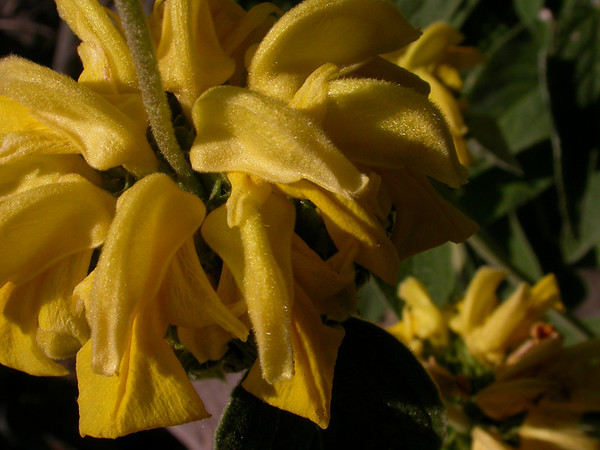
Jerusalem sage
Phlomis fruticosa
Shrub
Attracts pollinators
Deer resistant
Edible perennial
Evergreen leaves
Edible flowers
Hedgerows
Sold out
A showy evergreen shrub, Jerusalem Sage is an easy to grow plant for a sunny location. Deer tolerant and drought tolerant, it grows quickly but never gets more than a few feet high when blooming. Bright yellow flower clusters in whorls on a stalk in summer, the sweet flower nectar is enjoyed by humans and birds alike. At bloom time, once kids discover the sweetness, its hard to pull them away from this beautiful silvery gray plant.
Read more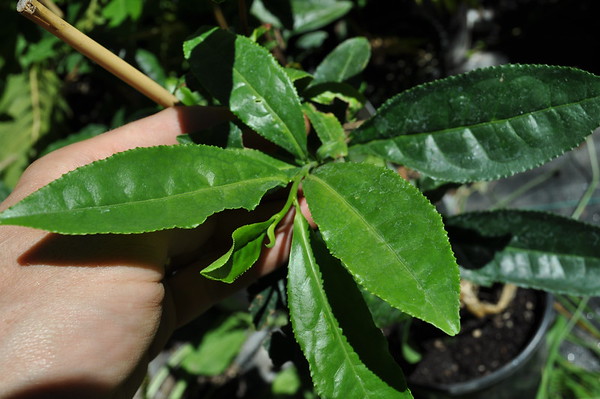
Korean tea
Camellia sinensis 'Korean'
Shrub
Edible perennial
Evergreen leaves
Flavorful tea
Tolerates shade
Sold out
This hardy variety of tea comes from the mountains of the Boseong region in South Korea.
Read more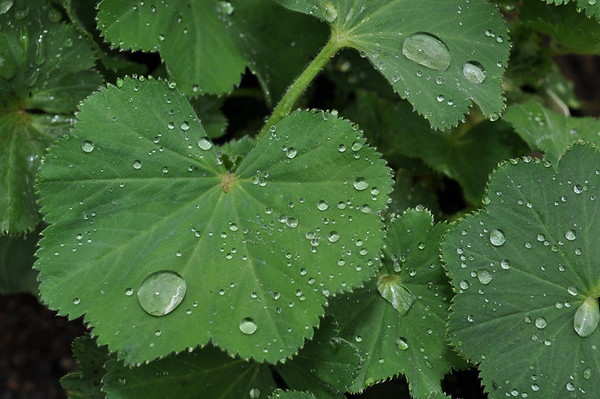
lady's mantle
Alchemilla mollis
Hardy perennial
Tolerates shade
Sold out
A lower growing clumping herbaceous perennial from Europe, lady’s mantle has attractive gray-green foliage and delicate yellow flower stalks that can be cut fresh and dried. This plant prefers part shade and tolerates full shade, and can grow in most soils.
Read more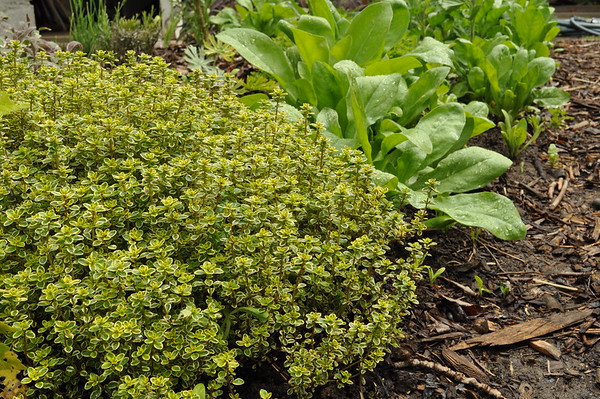
lemon variegated thyme
Thymus x citriodorus 'Aureus'
Hardy perennial
Edible flowers
Evergreen leaves
Flavorful tea
Sold out
Beautiful, culinary, medicinal - no herb garden is complete without this variegated, lemon scented thyme. The yellow and green leaves give way to pink flowers in summer. This thyme forms a short hedge 6 inches to a foot tall.
Read more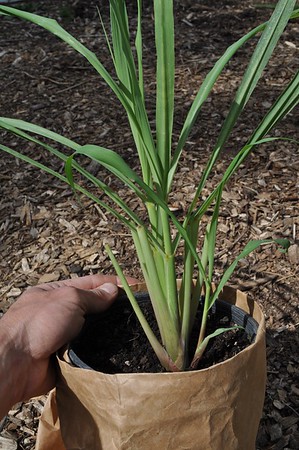
lemongrass
Cymbopogon citratus
Tender perennial
Edible perennial
Flavorful tea
Sold out
We really enjoy making lemony tea and flavorful Thai recipes with this aromatic herb. Fresh lemon grass is far superior to the faded bundles you find in the grocery store! Lemon grass is not cold hardy for our Oregon winters that regularly drop below freezing, but you can certainly grow your plants outside from May through September if you bring them inside for the winter.
You’ll often find other nurseries selling the seed-grown, thin-leaved East Indian lemon grass C. flexuosus, but don’t be tricked - it’s not a good substitute for the thick, juicy stems of C. citratus.
Read more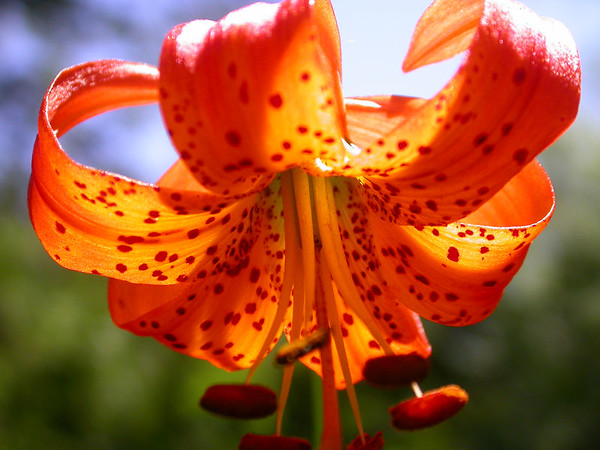
leopard lily
Lilium pardalinum
Hardy perennial
Attracts pollinators
Edible flowers
Edible perennial
Native to the Pacific NW
Tolerates shade
Sold out
Leopard lily is a stunning wildflower native to parts of Oregon and California. It is an herbaceous perennial growing up to 6 feet tall with multiple stalks of multiple bright red and orange spotted lily flowers, with much larger blooms than the tiger lily which is native to the Wilamette Valley. In addition to attracting pollinators, these early summer blooms make a great centerpiece in bouquets.
The plants grow well in part sun and part shade with rich soil that is moist in summer. The bulbs and flowers are edible, but they are so nice that we wouldn’t want to eat them!
Read more

marshmallow
Althea officinalis
Hardy perennial
Adapted to heavy clay soil
Attracts pollinators
Edible perennial
Likes wet soil
Edible flowers
Sold out
This perennial herb has soft leaves, beautiful hibiscus-like white and pink flowers, and provides a healing herbal medicine. Marshmallow roots are the original source of the slimy mucilage used in the traditional recipe for marshmallow candies. The whole plant – roots, leaves, and flowers – makes a very soothing tea for sore throats and irritated tissues. We dry the roots in fall and make a cold infusion of the dried roots whenever we need it for colds, allergies, and dry skin. This herb is safe for kids and nursing moms as well.
Read moremock orange
Philadelphus lewisii
Shrub
Attracts pollinators
Hedgerows
Native to the Pacific NW
Tolerates shade
Sold out
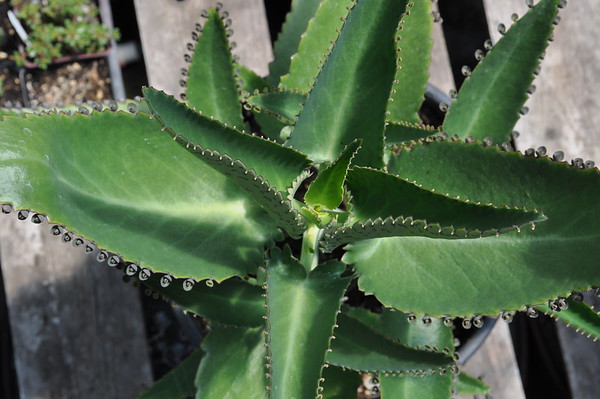
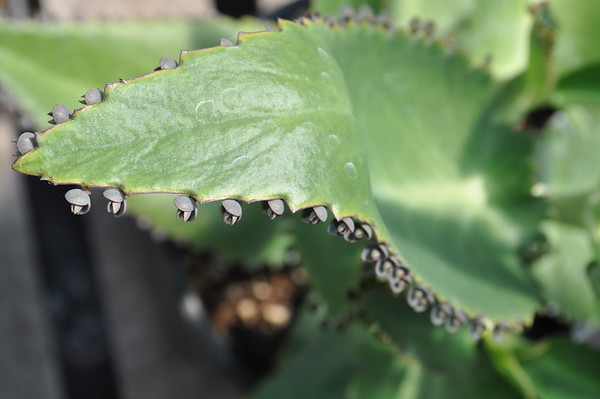
mother of millions
Bryophyllum daigremontianum
Tender perennial
Drought tolerant
Sold out
Mother of millions not only inspires wonder and fascination because its little plantlets are so easy to break off and grow into entirely new plants, but it also makes a very nice soothing external anti-inflammatory and vulnerary akin to aloe vera. Crush up a leaf to get the slimy juice and use it on irritated skin, burns, or swollen bumps and bruises. It’s not edible, however, because it has toxic constituents that are poisonous for internal use.
Some botanists classify mother of millions into the genus Kalanchoe rather than into Bryophyllum.
Read moremuskmallow
Malva moschata
Hardy perennial
Attracts pollinators
Edible flowers
Edible perennial
Sold out
Edible flowers and leaves make muskmallow a great perennial for a sunny garden. It starts growing in early spring and blooms a deep pink in late spring through summer. Our plants bloom profusely for a very long time. The flower buds can be a great garnish, as they resemble rosebuds and keep well in that stage. Like all mallows, muskmallow brings a variety of pollinators to the garden. Plants usually grow up to three feet tall and wide at the most.
Read more
narrow-leaf mule's-ears
Wyethia angustifolia
Hardy perennial
Adapted to heavy clay soil
Attracts pollinators
Drought tolerant
Edible perennial
Native to the Pacific NW
Sold out
A sunflower-like native wildflower, narrow leaved mule’s ears grows in grasslands and meadows in the fields and foot hills of the Willamette Valley. It is an herbaceous perennial and each year grows leaves about a foot long and multiple flower stalks no more than two feet high. It is a very showy flower that blooms in late spring or early summer and prefers full sun and good drainage but will also grow in clay soil. This plant is drought tolerant. Just like sunflowers, the seeds are edible and very nutritious.
Read morenarrow-leaved purple coneflower
Echinacea angustifolia
Hardy perennial
Attracts pollinators
Sold out
This species of Echinacea is native to the central plains of North America, from Texas and New Mexico, all the way north into central Canada. It is the most cold hardy Echinacea and has a longer and more central tap root relative to the more fibrous roots of other species. Many herbalists prefer this species for tincturing as they consider it to be a stronger anti-bacterial and immune stimulant.
Read more
oca
Oxalis tuberosa
Hardy perennial
Tender perennial
Edible perennial
Edible flowers
Sold out
This traditional Andean perennial vegetable produces red and white tubers the size of cherries. We harvest the tubers in fall after the first frosts make them sweeter. Steamed, baked, or fried, with a little butter or coconut oil, they taste like potatoes with a squirt of lemon juice inside. Yum!
Read more
orange daylily
Hemerocallis fulva 'Orange'
Hardy perennial
Attracts pollinators
Edible perennial
Edible flowers
Fast growing
Sold out
This is the orange flowered variety of daylily. So pretty in the garden or on a plate!
Read more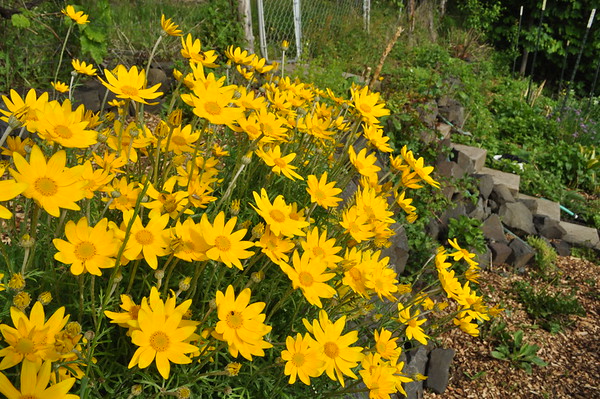
Oregon sunshine
Eriophyllum lanatum
Hardy perennial
Attracts pollinators
Drought tolerant
Native to the Pacific NW
Sold out
A beauty for a native wildflower garden, Oregon sunshine lives up to its name, bearing profuse quantities of deep yellow blooms. Gray green foliage is ornamental. This plant blooms no taller than a foot or two. You will find it growing on sunny slopes in wet wildflower meadows. In a garden, it makes a nice mat on borders and is great over rock walls. A wonderful companion to purple penstemon and pink checkermallows, which also bloom in late spring. Easy to grow, it is drought tolerant and deer do not bother it at our farm.
Read morenettleleaf giant hyssop
Agastache urticifolia
Hardy perennial
Attracts pollinators
Edible flowers
Edible perennial
Flavorful tea
Native to the Pacific NW
Sold out
Native to moist and sunny meadows and slopes of the Pacific Northwest, this perennial herb makes a fine garden specimen. Bees and butterflies flock to its showy purple flower spikes held above the soft green foliage.
With a highly fragrant and minty aroma, the nettleleaf giant hyssop makes a wonderful and unique tea. The aromatic oils help to settle the stomach and improve digestion. A poultice or wash made from the fresh leaves and tops soothes irritated skin and helps your body decrease inflammation from injury or irritation.
Read more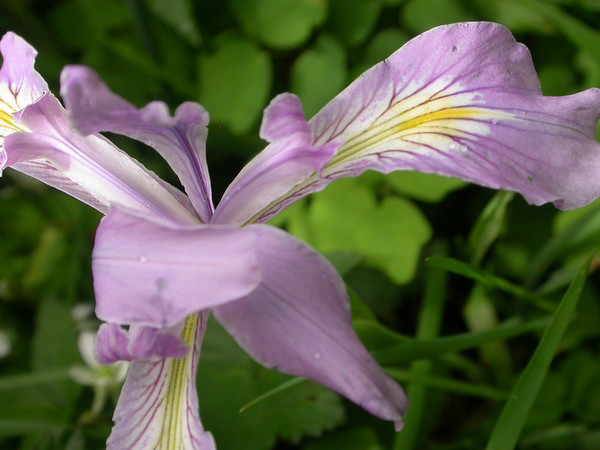
Oregon iris
Iris tenax
Hardy perennial
Attracts pollinators
Drought tolerant
Native to the Pacific NW
Sold out
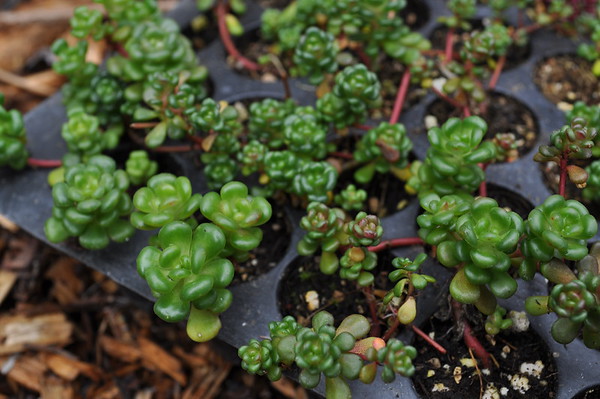
Oregon stonecrop
Sedum oreganum
Hardy perennial
Attracts pollinators
Drought tolerant
Edible flowers
Edible perennial
Evergreen leaves
Native to the Pacific NW
Sold out
Oregon stonecrop has glossy green leaves that look like little elephant toes. I think it has the best-tasting leaves of any native Sedum.
Read more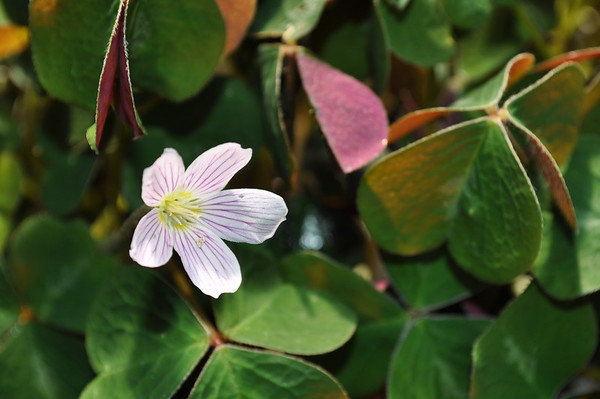
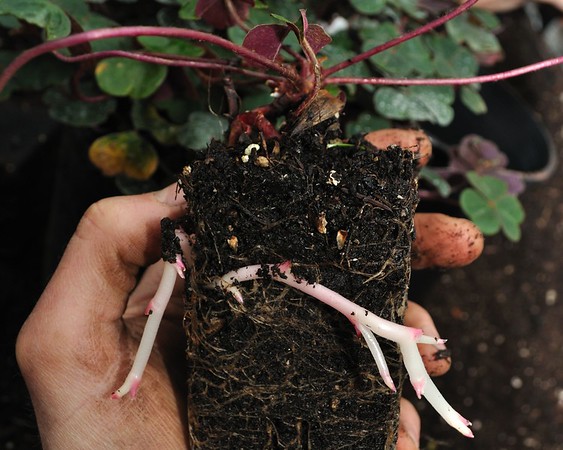
Oregon wood-sorrel
Oxalis oregana 'Klamath Red'
Hardy perennial
Attracts pollinators
Edible flowers
Edible perennial
Native to the Pacific NW
Tolerates shade
Sold out
A beautiful shade-tolerant ground cover, the native Oregon wood sorrel spreads happily on the forest floor, or a shady garden floor. It likes lots of organic matter and shade. If it does not receive summer water, it will simply go dormant when dry.
Heart-shaped leaves emerge in spring and are a delight to taste. The leaves, stems, and rhizomes have a tangy flavor and contain vitamin C. They also contain oxalic acid, like spinach or chard, and we do not recommend consuming large quantities raw. The variety that we grow has a deep pink-purple underside to the leaves and thin pink lines on the white flowers that makes it especially pretty.
This is also one of the few plants we offer that grows well as a house plant.
Read moreoriental alkanet
Alkanna orientalis
Hardy perennial
Attracts pollinators
Sold out
This soft, citrus-scented, and uncommon member of the borage family produces small yellow flowers in summer. Researchers have been investigating the anti-bacterial properties, while herbalists are quite familiar with the soothing effects its mucilagenous leaves.
Read more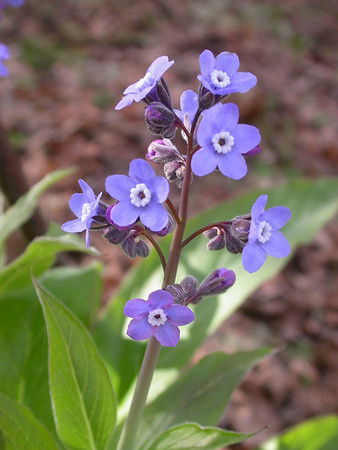
Pacific hound's tongue
Cynoglossum grande
Hardy perennial
Attracts pollinators
Drought tolerant
Native to the Pacific NW
Tolerates shade
Sold out
With beautiful blue flowers clustered atop two foot tall stalks, hound’s tongue is named for the shape and texture of the leaves that form a rosette at the base of the plant. It’s native to the sunny meadows and dappled shade of hillside forests that don’t receive a lot of water in the summer. A pretty plant for dry shade! We have lots of deer that don’t eat our plants, but we can’t guarantee that deer won’t eat yours.
Read morepink-flowered chaste tree
Vitex agnus-castus 'Pink'
Shrub
Attracts pollinators
Sold out
Chaste tree, also known as vitex, is a beautiful deciduous shrub that has spikes of flowers in late summer here in Oregon. It can grow up to ten feet tall but can be kept shorter with annual pruning. It prefers full sun and well drained soil, although we have some plants that have thrived upon neglect in heavy clay. The ripe berries are tinctured and used for female hormone balancing.
Most vitex bloom a light to deep purple, but this cultivare blooms pink.
Read more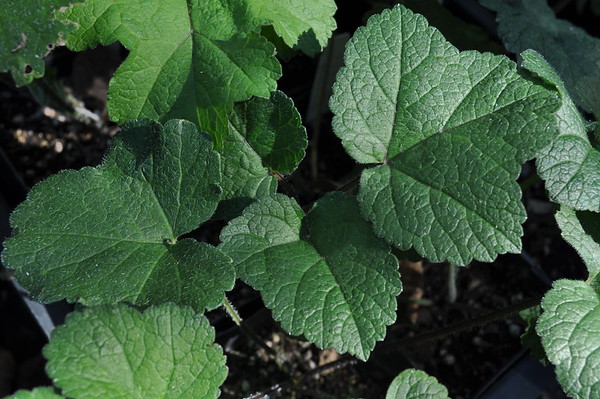
pubescent angelica
Angelica pubescens
Hardy perennial
Attracts pollinators
Edible flowers
Edible perennial
Flavorful tea
Tolerates shade
Sold out
Also known as du huo in Traditional Chinese Medicine, and shishiudo in Japanese medicine, this angelica species is native to just the eastern part of Asia in those two countries. It has leaves and stems that are covered in long, rough transparent hairs. This is our first year growing it in our gardens and nursery, and so far it seems to be similar to garden angelica (A. archangelica) in its preference for rich, moist soil and mostly shade with some sun.
It is traditionally used to ease the difficulty of arthritis and any other rheumatism, as well as being a general warming and aromatic bitter.
Read more
purple coneflower
Echinacea purpurea
Hardy perennial
Attracts pollinators
Sold out
This is the easiest to grow of all the Echinacea species in our area. It is very cold hardy, and sends down a multitude of pencil-sized roots. The bees and butterflies frequent the bright purple flowers. The leaves, flowers, and roots are used in tea and tincture to stimulate the immune response and to support the lymphatic system.
Read more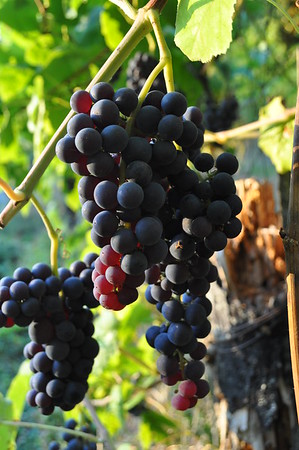
purple seedless grape
Vitis vinifera 'purple'
Vine
Drought tolerant
Edible and delicious fruit
Sold out
Grapes are very easy to grow and maintain and never fail to produce abundant crops. This table grape is seedless and dark purple with small to medium sized fruits in nicely shaped clusters. This is Brian’s favorite of our varieties!
Read more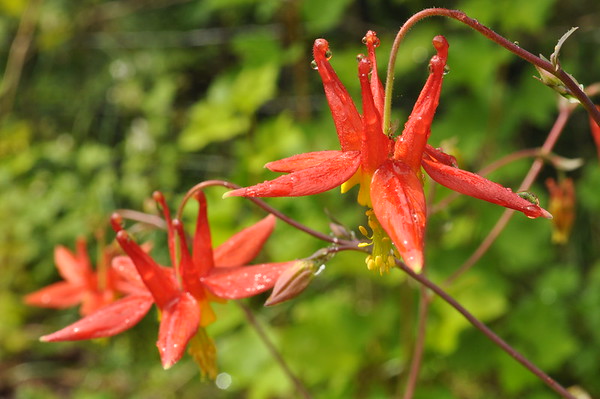
red columbine
Aquilegia formosa
Hardy perennial
Attracts pollinators
Tolerates shade
Native to the Pacific NW
Sold out
A beautiful wildflower, our native columbine blooms yellow and red. In garden soil and part shade, columbine may grow up to 3 feet tall and wide. Delicate flowers bloom in late spring. Great for a woodland garden.
Read more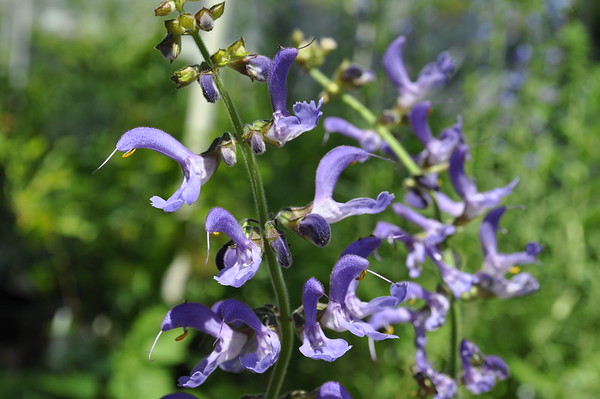
red sage
Salvia miltiorrhiza
Hardy perennial
Attracts pollinators
Edible flowers
Sold out
Red sage, also known as Dan Shen, is a perennial sage with whorls of purple flowers in late summer. This species is popular in Chinese, Japanese, and European herbal traditions for circulation and other health issues. The roots are bright red. It prefers well drained soil and full sun.
Read more
rock samphire
Crithmum maritimum
Hardy perennial
Attracts pollinators
Edible flowers
Edible perennial
Evergreen leaves
Flavorful tea
Sold out
This succulent perennial with pale yellow umbellate flowers is native to rocky coastal cliffs in western Europe. The edible leaves and flowers have a slightly spicy taste, and hold up well when they are pickled in vinegar, or mixed into other salad greens.
Read more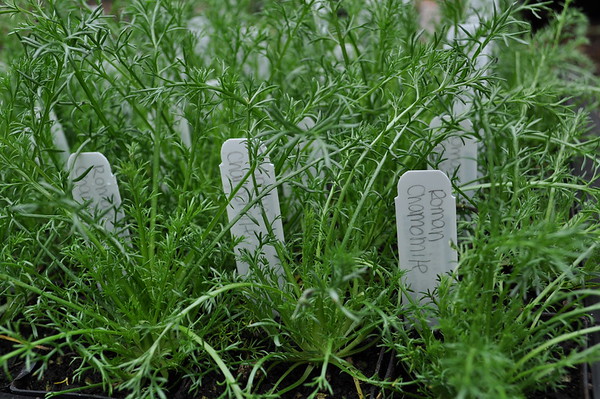
Roman chamomile
Chamaemelum nobile
Tender perennial
Attracts pollinators
Tolerates shade
Flavorful tea
Sold out
We relish the soft, living, green carpets made of this fragrant and healing herb. This perennial chamomile stitches together into a mat a few inches tall that emits the sweetest apple scent when stepped on or patted. This plant likes sun or shade, and plenty of water in the summer.
The flowers are wonderful in tea, but the trick is to steep them very briefly - less than a minute. That way, you get the aromatic and soothing essence without any of the bitterness that increases with longer soaking.
Read more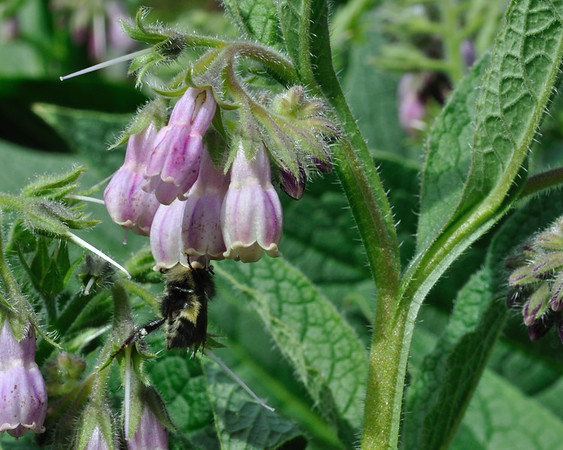
Russian comfrey
Symphytum x uplandicum
Hardy perennial
Adapted to heavy clay soil
Attracts pollinators
Edible flowers
Tolerates shade
Fast growing
Sold out
This perennial has slimy roots and leaves that are used externally for bruises, sprains, and dry, irritated skin. Russian comfrey has deep roots to draw nutrients to the surface, and makes great compost and green mulch. The variety we carry is a Russian hybrid type similar to Bocking #14 that does not seem to have fertile seeds.
Although there are many references to the dangerous prrolizidine alkaloids that may cause liver damage found in comfrey and other members of the borage family, many herbalists continue to recommend it for patients with healthy liver function to take internally for short periods of time to speed recovery from injury. The studies in the late 1970’s that caused the uproar about pyrrolizidine alkaloids were performed by injecting lab rats with high doses of comfrey extract, not by feeding them reasonable doses of whole leaves or roots.
For more information, see:
http://www.ncbi.nlm.nih.gov/pubmed/287835
http://www.comfreycentral.com/conclusion.htm
http://www.wisewomantradition.com/healingwise/2008/02/comfrey-leaf-in.html
Read more
saltbush
Atriplex halimus
Shrub
Edible perennial
Evergreen leaves
Hedgerows
Sold out
Saltbush is a wonderful choice for year-round edible raw greens. This shrub is semi-evergreen and will provide mildly salty spinach flavored leaves throughout the year. Some cold years, it can lose leaves and die back but these plants are clones of a shrub that survived the cold snap of 2013 in Lane County. A shrub that can grow up to 8 feet or more, it performs well when pruned to keep compact. We like to prune branches a few at a time when we harvest leaves for salad. It prefers well drained soil and is most productive in a sunny and irrigated site.
Read more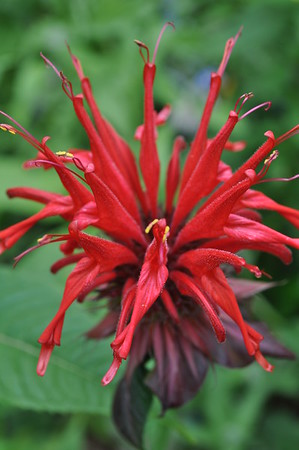
scarlet beebalm
Monarda didyma
Hardy perennial
Attracts pollinators
Edible flowers
Flavorful tea
Sold out
This variety produces 3-foot tall displays of crimson red inflorescences composed of tubular flowers. It is a sight to see! A favorite for hummingbirds.
Read more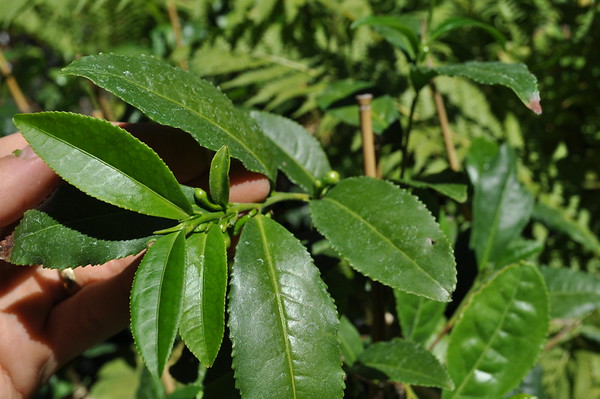
Sochi tea
Camellia sinensis 'Sochi'
Shrub
Edible perennial
Evergreen leaves
Flavorful tea
Tolerates shade
Sold out
This variety of hardy tea comes from the Sochi region of Russia near the Black Sea.
Read more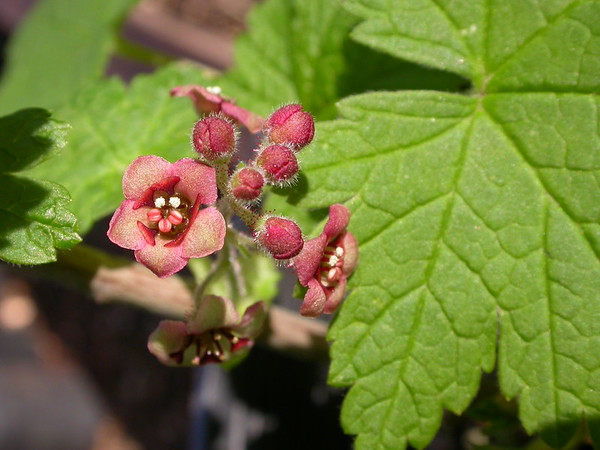
stream currant
Ribes laxiflorum
Shrub
Adapted to heavy clay soil
Attracts pollinators
Edible and delicious fruit
Edible flowers
Likes wet soil
Tolerates shade
Native to the Pacific NW
Sold out
This currant is native to the Northwest, growing along streams in partial shade. The delicate pink flowers bloom in spring and the delicious purple fruit ripens in early summer. It does not have thorns.
Although stream currants like wet soil, they don’t need to grow near a creek as long as they have some irrigation in summer. We suggest you find a place where it can sprawl or hang over a wall because the lovely branches cascade like little waves over the ground rather than growing upright like other currants.
Read more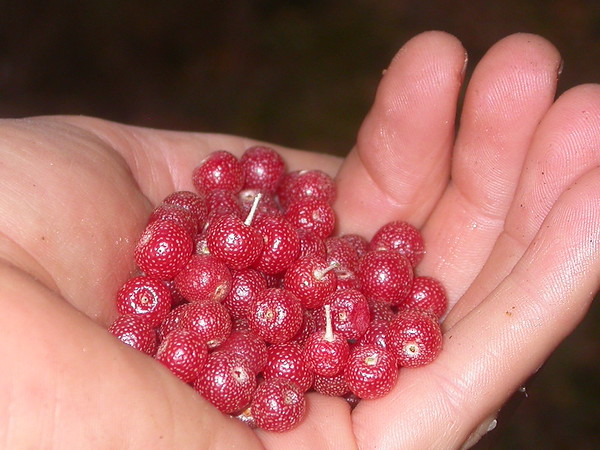
Sweet Scarlet goumi berry
Eleagnus multiflora 'Sweet Scarlet'
Shrub
Adapted to heavy clay soil
Attracts pollinators
Drought tolerant
Edible and delicious fruit
Hosts bacteria that fix nitrogen
Hedgerows
Sold out
Goumi plants are well known in the Northwest permaculture community for being great nitrogen fixing shrubs with a much lower chance for spreading by birds. These shrubs can grow up to 12 feet or so but do well if pruned to stay lower for easy harvest. They will fruit in sun or shade. The fruit is like a small oblong cherry with golden speckles and is great raw or cooked. Sweet Scarlet s a particularly delicious variety. Last year, our plants in sun were more productive but the birds got to them quicker so we got more fruit from the shaded plants.
Read more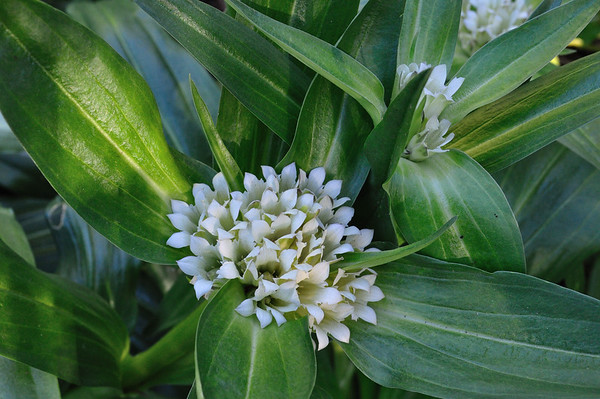
Tibetan gentian
Gentiana tibetica
Hardy perennial
Attracts pollinators
Edible perennial
Edible flowers
Sold out
Native to the hills of western China and Tibet, this medicinal perennial likes rich, moist soil and sun. In mid-summer, it grows up to 2 feet tall with showy white blossoms. While so many gentian species are blue, these white blossoms really let you see the breathtaking black stippling patterns inside the petals. Our plants have been quite hardy and persisted through the record-setting cold winter of 2013-14.
Read more
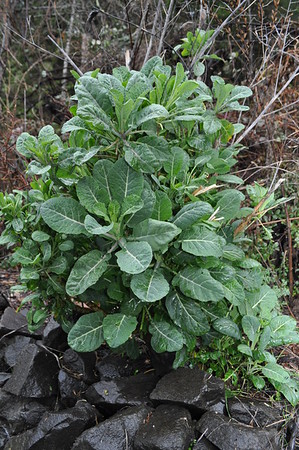
tree collards
Brassica oleraceae 'tree collards'
Hardy perennial
Attracts pollinators
Edible flowers
Edible perennial
Fast growing
Sold out
Like other non-heading collard greens, this sturdy and cold-hardy vegetable produces large smooth, oval-shaped leaves that are really nice to harvest in fall, winter, and spring. It then grows tender little raab that are delicious steamed or stir-fried. If you don’t harvest all of the flower buds, they grow up to 5 feet tall with edible yellow flowers. That’s when most brassicas would up and die. Not tree collards. Instead, they grow little shoots from the base of the stem and put on lots of new growth in fall so that you can enjoy a harvest year after year.
Our mother plants survived the record-setting cold winter of 2013-14 with only minor setbacks. This is the first generation of seedlings from that crop.
Read morePacific ninebark
Physocarpus capitatus
Shrub
Attracts pollinators
Tolerates shade
Likes wet soil
Native to the Pacific NW
Fast growing
Sold out
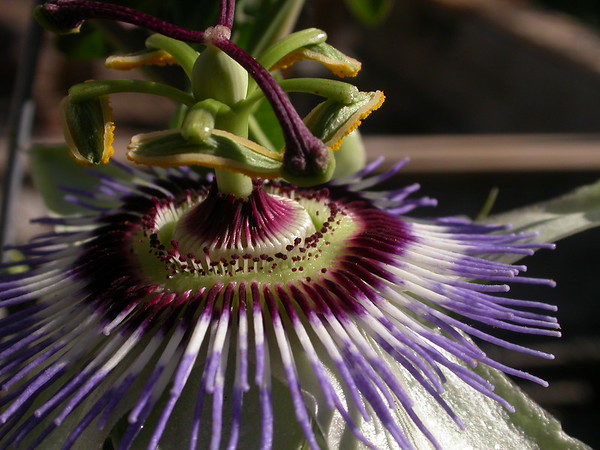
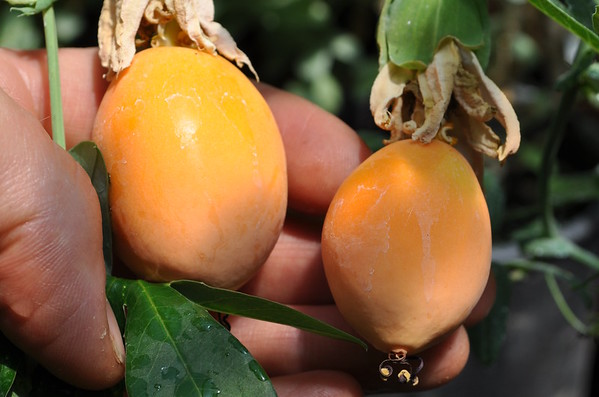
passionflower
Passiflora caerula
Vine
Attracts pollinators
Edible and delicious fruit
Edible flowers
Sold out
Fabulous flowers on this semi-evergreen vine. The complex blue flowers bloom mid summer to fall. This vine is reasonably hardy and can grow a lot in one season. During cold winters it may die back part way and sprout from the base. In a warm and sunny location, plants will bloom profusely and produce a lot of fruit, which is a sweet treat. Vines can grow up to 20 feet but respond well to pruning. They will climb trellises or fences or other plants.
Read more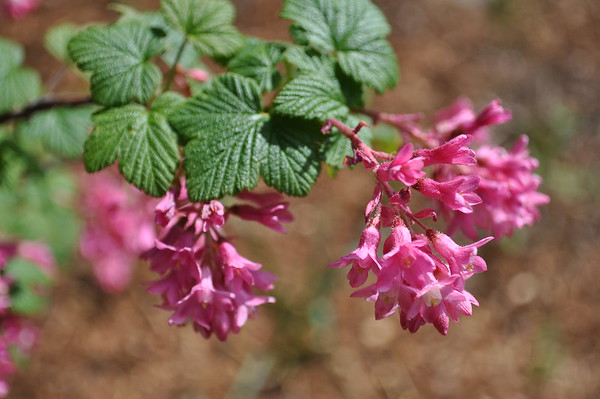
red-flowering currant
Ribes sanguineum var sanguineum
Shrub
Attracts pollinators
Edible and delicious fruit
Tolerates shade
Edible flowers
Native to the Pacific NW
Hedgerows
Sold out
This is one of the earliest blooming and showiest shrubs in the Pacific Northwest! Red flowering currant is a very popular plant for a variety of reasons. The large clusters of pink-red flowers are loved by humans and birds and bees. The flowers do produce edible fruit, although not as choice as a European currant fruit.
Deciduous shrubs can grow to seven feet tall and responsd well to yearly pruning. They prefer a well drained soil and so can be planted on a raised mound or bed in a clay soil. They do well in full sun to part shade and can tolerate full shade although may not bloom as profusely.
Read more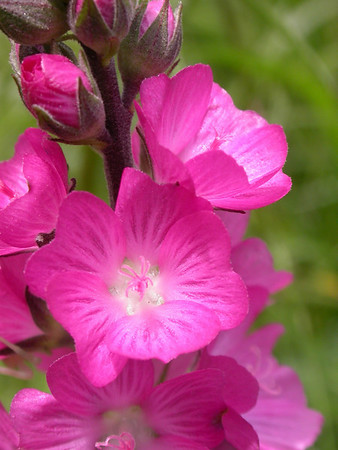
rose checker-mallow
Sidalcea virgata
Hardy perennial
Attracts pollinators
Edible perennial
Tolerates shade
Edible flowers
Native to the Pacific NW
Sold out
We love this late spring blooming native wildflower that we often find on the edges of meadows. In the hollyhock family, this perennial grows only about a foot to two feet tall at most. It sends up pink flowering spikes that attract butterflies and delight the eye. It will spread slowly underground by rhizomes, creating a nice small patch in a garden setting. It prefers full sun to part shade and tolerates most soil conditions.
Leaves and flowers are edible and tasty, raw or cooked. Rose checkermallow is more drought tolerant than Henderson’s checkermallow, but the leaves have a few more rough hairs.
Read more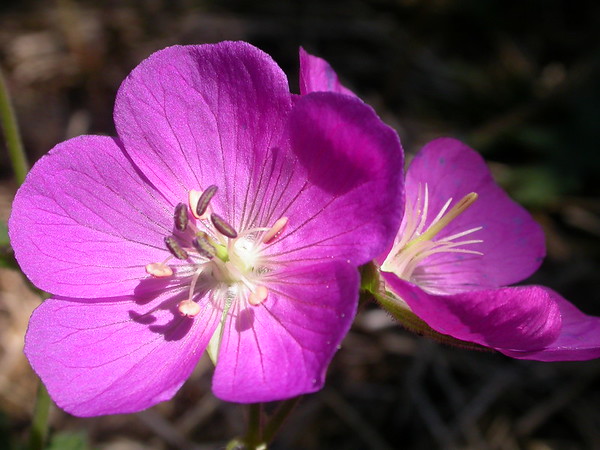
western geranium
Geranium oreganum
Hardy perennial
Attracts pollinators
Drought tolerant
Native to the Pacific NW
Sold out
A beautiful perennial native to Oregon, Oregon geranium is very showy. Growing about a foot in height and wide, it has profuse pink blooms in late spring and early summer. It thrives in full sun or part shade and prefers well drained soil. Ours occasionally seed baby plants in the near vicinity.
Read more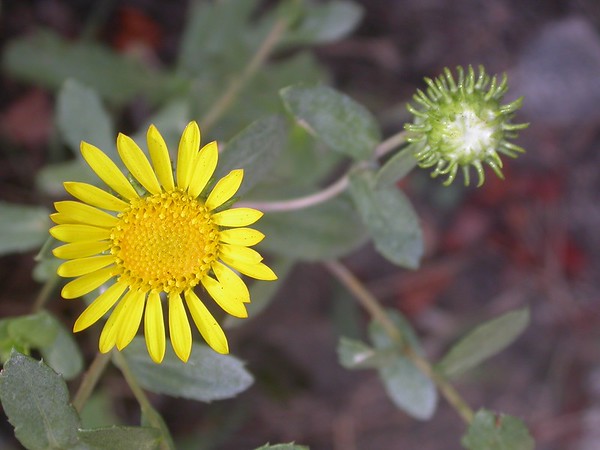
Wilamette valley gumweed
Grindelia integrifolia
Hardy perennial
Adapted to heavy clay soil
Attracts pollinators
Drought tolerant
Likes wet soil
Native to the Pacific NW
Sold out
This native perennial in the sunflower family grows into a small shrub each season, bearing yellow flowers covered in sticky white resin. It thrives in sunny spots with moisture and tolerates compacted clay soil. The gummy sap is especially abundant on young flower buds, which make a top notch tincture to help soothe sore throats, clear congestion, and ease spasmodic coughs.
Read moregreen seedless grape
Vitis vinifera 'green'
Vine
Drought tolerant
Edible and delicious fruit
Sold out
Grapes are very easy to grow and maintain and never fail to produce abundant crops. This is a sweet and delicious table grape. It is the earliest to ripen of the grapes we grow. It is very similar to interlaken and himrod, two well-known and dependable varieties for the northwest. .
Read morehorseradish
Armoracia rusticana
Hardy perennial
Adapted to heavy clay soil
Sold out
You may be familiar with the strong flavor of this traditional perennial vegetable. The root, grated and made into a condiment to help with digetion, it is often served with meat. We like to make a fire cider with horseradish, garlic, chili, and cider vinegar which is a great salad dressing and general condiment. This plant is quite vigorous and will thrive in a raised bed with garden soil, or grow in heavy clay. It is important to note that even when harvested annually, it can be difficult to completely remove from a garden. Therefore, we reccomend growing it in a large pot or pots, which also makes harvesting so much easier. You can remove part of the root and re-plant the upper portion and it will grow again next year.
Read morejostaberry
Ribes x nidigrolaria
Shrub
Attracts pollinators
Edible and delicious fruit
Edible flowers
Fast growing
Hedgerows
Sold out
Jostaberry is a cross between european currants and gooseberries, taking the best from both. It is a thornless shrub producing dark fruits with a mild black currant flavor. The fruit is larger than a black currant, but smaller than most gooseberries. It is vigorous, productive & disease resistant. Our plants will grow up to 6 feet tall and wide, as they spread by tip-rooting, and they thrive on pruning and can be kept smaller and still productive.
Read morekinnikinnick / bearberry
Arctostaphylos uva-ursi
Hardy perennial
Adapted to heavy clay soil
Attracts pollinators
Deer resistant
Drought tolerant
Tolerates shade
Evergreen leaves
Native to the Pacific NW
Sold out
A broad leaf evergreen ground cover, kinnikinnick is very hardy. It thrives in partial shade and will spread along the ground or grow along a slope, providing some erosion control. Drought tolerant and deer resistant, kinnikinnick is easy to grow. Little bell shaped pink flowers give way to red berries in fall. These berries are edible and, if not harvested, will remain on the plant as bright red as gems through winter. A tea or tincture of the leaves help the body regulate pH and clear out infection in the urinary tract.
Read morelicorice
Glycyrrhiza glabra
Tender perennial
Flavorful tea
Sold out
Licorice has an edible and medicinal root that is most commonly used as a tea. The perennial plant prefers sun and well drained soil. The plant can grow up to 2 feet tall and has purple and white flowers. It is native to Europe and parts of Asia and is popular in Ayurveda. Because it is not very cold hardy, we reccomend planting it in a greenhouse.
Read morelingonberry
Vaccinium vitis-idaea
Shrub
Attracts pollinators
Edible and delicious fruit
Edible flowers
Sold out
Lingonberry is a low growing evergreen shrub/groundcover with delicious tart red berries, Very popular in cooking and food preservation in Scandinavia, where they are wild harvested and cultivated. They are commonly used to make delicious jam. The plant prefers an acidic soil similar to blueberries, and some shade in our hot summers. It is a good companion to blueberry shrubs because it stays low and mat-like. The evergreen foliage is beautiful year-round.
Read morelittle-leaf linden
Tilia cordata
Tree
Attracts pollinators
Edible flowers
Edible perennial
Fast growing
Flavorful tea
Hedgerows
Sold out
A multi-functional tree native to Europe, linden has edible leaves and flowers. Bees adore the blooms which make a great tea, and from bees, a delicious honey. The wood is also known as basswood, excellent for carving. Linden can be coppiced and pruned to grow as a shrub for ease of harvest, or left to become a stately shade tree.
Read morelovage
Levisticum officinale
Hardy perennial
Attracts pollinators
Edible perennial
Edible flowers
Sold out
Lovage is an excellent addition to a perennial vegetable garden. Bursting forth in spring, this plant can shoot up to six or seven feet tall each year. The aromatic leaves have a flavor similar to parsley but much more interesting. They can be delicious in a potato salad or made into a garlic butter cream sauce. Lovage does best in a garden soil with full sun but can tolerate some shade and poor soil. After harvest time, the plant will open very large white umbel flowers which are excellent pollinator and beneficial-insect attractors.
Read moremale 'Meader' hardy kiwi
Actinidea arguta 'Meader'
Vine
Edible and delicious fruit
Sold out
This male variety will pollinate any Actinidia arguta (hardy kiwi), purpurea (hardy red), or deliciosa (fuzzy kiwi), but it won’t likely pollinate A. kolomikta.
Read moreofficial hyssop
Hyssopus officinalis
Hardy perennial
Edible flowers
Flavorful tea
Sold out
A hardy perennial in the mint family with delicious and fragrant blue flowers. This herb has been used as a tasty flavoring, expectorant, and antitussive in Europe and the Mediterranean for thousands of years.
Read morepearly everlasting
Anaphalis margaritacea
Hardy perennial
Deer resistant
Drought tolerant
Native to the Pacific NW
Sold out
An Oregon native wildflower with gray green foliage and pretty dried pearly white flowers, pearly everlasting is an easy plant for a native garden. At the height of summer, plants grow up to 3 feet, and blooms last until the heavy rains come. If you harvest the flowers when the weather is dry, you can store them and use them in dried flower arrangements. Plants prefer full sun and tolerate most soils. They spread by underground rhizomes and so do best in an open area with space to grow.
An infusion of pearly everlasting leaves and flowers is a gentle and soothing anti-infammatory wash for irritated and lax skin and mucous membranes. With enough sea salt to make an isotonic solution, it also makes a soothing eyewash.
Read more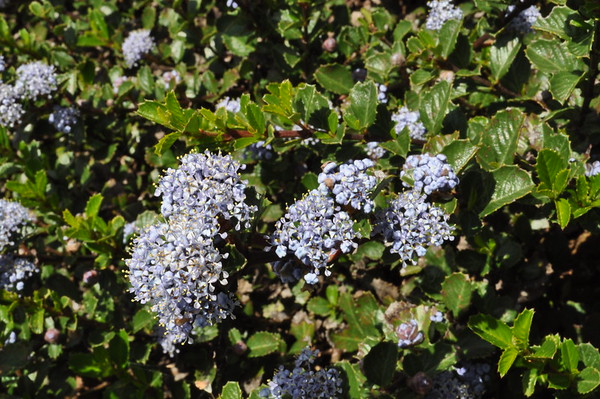
Pt. Reyes creeper
Ceanothus gloriosus
Shrub
Attracts pollinators
Deer resistant
Drought tolerant
Evergreen leaves
Hosts bacteria that fix nitrogen
Native to the Pacific NW
Fast growing
Sold out
A broadleaf evergreen native to coastal California, this shrub is an excellent ground cover for sunny slopes, especially rock walls and rock gardens. It grows up to 2 feet tall and will grow 5-6 feet wide and root at the tips of the branches to continue covering an area. It is vigorous enough to help with erosion control. In early spring, the plant blooms profusely - fragrant deep blue flowers that attract a host of pollinators. This plant is deer tolerant and drought tolerant and prefers full sun or part shade.
Read morered hardy kiwi
Actinidia purpurea
Hardy perennial
Vine
Edible and delicious fruit
Sold out
This species of hardy kiwi stands out from the crowd because it produces coppery red colored kiwi fruit! It can be pollinated by Meader or any of the male Actinidia arguta.
Read morered seedless grape
Vitis vinifera 'red'
Vine
Drought tolerant
Edible and delicious fruit
Sold out
Grapes are very easy to grow and maintain and never fail to produce abundant crops. This red variety is espcially sweet and ripens later than the green and purple varieties we grow.
Read more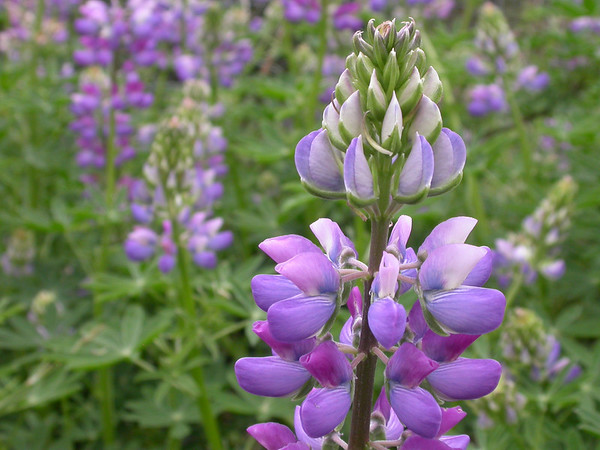
riverbank lupine
Lupinus rivularis
Hardy perennial
Adapted to heavy clay soil
Attracts pollinators
Deer resistant
Drought tolerant
Hosts bacteria that fix nitrogen
Native to the Pacific NW
Sold out
This perennial produces gorgeous purple flowering stalks in full sun or part shade. A Willamette Valley native, it tolerates drought and poor soil with root nodules that fix nitrogen. Deer resistant.
Read moreRose-scented beebalm
Monarda didyma 'Rose-scented'
Hardy perennial
Attracts pollinators
Deer resistant
Edible flowers
Flavorful tea
Sold out
So we like all beebalms, but this one really tops the charts with its sweet and spicy rose scented pink flowers and foliage. The aroma makes a really blissful and warming tea. It contains geraniol, which is a similar constituent to rose-scented geraniums.
Read more
rose-scented thyme
Thymus x 'Rose-scented'
Hardy perennial
Evergreen leaves
Edible flowers
Flavorful tea
Sold out
Combining the warm, spicy scent of thyme with the sweet aroma of old-fashioned rose, we can’t seem to grow enough of this wonderful herb! The foliage and flowers make tea that not only tastes great, but also has all of the healing properties of thyme oil: antibacterial, carminative, soothing on the stomach, and eases congestion in the sinuses and lungs.
We dry and jar up every bit that we don’t sell so that we can enjoy this delightful, relaxing, and medicinal tea. In fact, we could use some more in the pantry… wait a second… you don’t really want to grow this plant after all, do you? I mean, we get to keep all the plants if you don’t buy them, right?!? Well, gosh, I think we’re sold out for now. Heehee… OK, OK, just kidding - we might just have some left if you ask nicely! :^)
Read more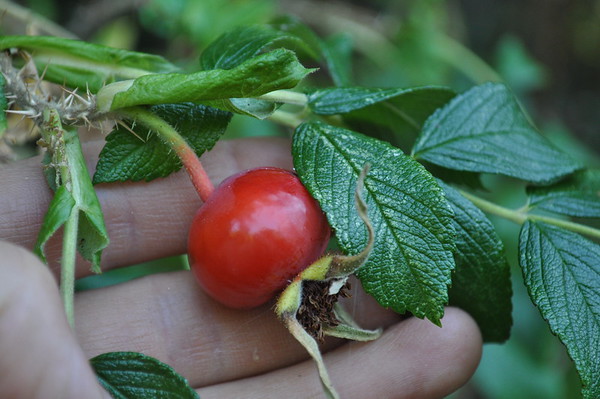
rugosa rose
Rosa rugosa
Shrub
Adapted to heavy clay soil
Attracts pollinators
Deer resistant
Drought tolerant
Edible and delicious fruit
Edible flowers
Flavorful tea
Hedgerows
Sold out
Rugosa rose is a suckering shrub native to Asia. It has large and beautiful blooms and the largest rose hips of any rose we know. The rose hips are high in vitamin C and can be eaten fresh or made into preserves, teas, and more. We also know someone who makes amazing jam from the rose petals. The plants are quite thorny and can grow up to 5 or 6 feet but respond well to pruning.
Read more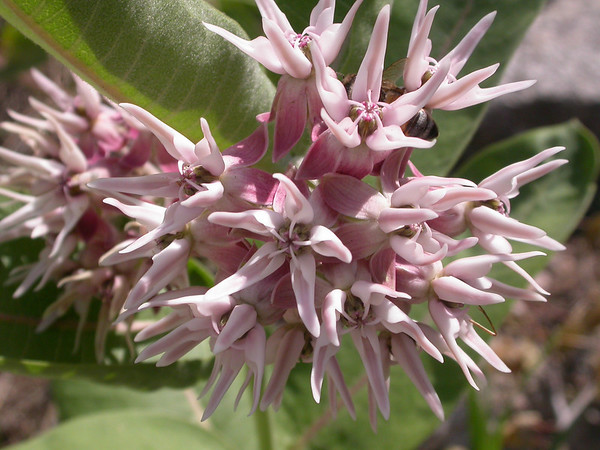
showy milkweed
Asclepias speciosa
Hardy perennial
Attracts pollinators
Drought tolerant
Native to the Pacific NW
Sold out
A gorgeous wildflower native to western North America, showy milkweed is a host plant for monarch butterflies. Pink and white fragrant flower clusters bloom on two or three foot stalks in mid-summer. Plants often grow in wetland areas with wet winters and dry summers. However, in a garden setting plants need well-drained soil to avoid rotting in winter. This plant spreads by rhizomes and is best planted in full sun in an area where it can spread. It is also an amazing fiber plant. Historically, flower stalks were processed into cordage and fluffy seed chaff was used to insulate and protect. Seed pods are edible at a certain stage but should only be eaten by experienced foragers. The milky sap that emerges from a wound is toxic to people and animals but easily avoided.
Read more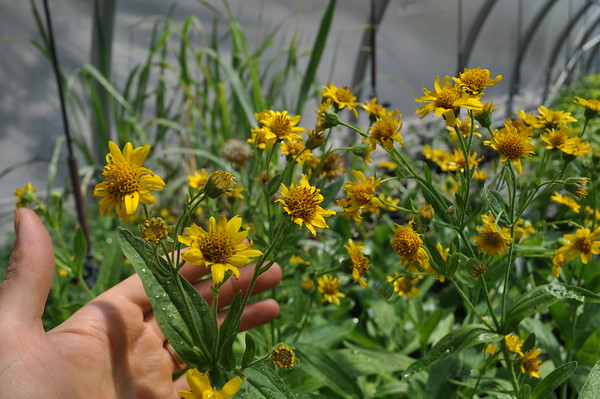
silvery arnica
Arnica chamissonis
Hardy perennial
Attracts pollinators
Native to the Pacific NW
Sold out
This arnica is native to western North America and is as potent as Arnica montana. It is a low growing, slowly spreading herbaceous perennial that prefers full sun to part shade and slightly acidic soil with some summer moisture. The yellow daisy-like flowers which bloom in spring are dried and extracted in oil or alcohol. Arnica oil applied to the skin stimulates circulation to help with stiffness, sprains, and bruising.
Read moreshrub cinquefoil
Potentilla fruticosa
Hardy perennial
Adapted to heavy clay soil
Attracts pollinators
Deer resistant
Drought tolerant
Native to the Pacific NW
Sold out
This hardy deciduous shrub is easy to grow in our climate. Deer tolerant and drought tolerant, it blooms for a very long time through spring into fall. We have two varieties- one that blooms bright yellow and the other that has a cream colored flower. Shrubs can grow up to five feet tall and wide. They tolerate heavy clay soil.
Read moreSinkat aloe
Aloe sinkatana
Tender perennial
Drought tolerant
Evergreen leaves
Tolerates shade
Sold out
Native to Sinkat, Sudan, this aloe is similar to Aloe vera in its form and medicinal properties. The Hadendowa people use it to treat stomach and skin issues.
When it’s protected from frost, this aloe will send out rhizomes that bear new shoots, colonizing its pot in a way that is both beautiful and productive.
Read morespotted beebalm
Monarda punctata
Hardy perennial
Attracts pollinators
Edible flowers
Flavorful tea
Sold out
Spotted bee balm blossoms have white, purple, and pink flowers with exquisite dippled spots. This species grows in drier and sandier soil than most bee balms.
Read more
swamp milkweed
Asclepias incarnata
Hardy perennial
Attracts pollinators
Edible flowers
Edible perennial
Sold out
Unlike some milkweed species, swamp milkweed is a clumping perennial and does not spread by rhizomes. It has deep pink flower clusters on a two to three foot stalk. It is a host plant for monarch and other butterflies and blooms in mid-summer. Although it likes moist soils, in our climate it also appreciates good drainage and sun.
Read more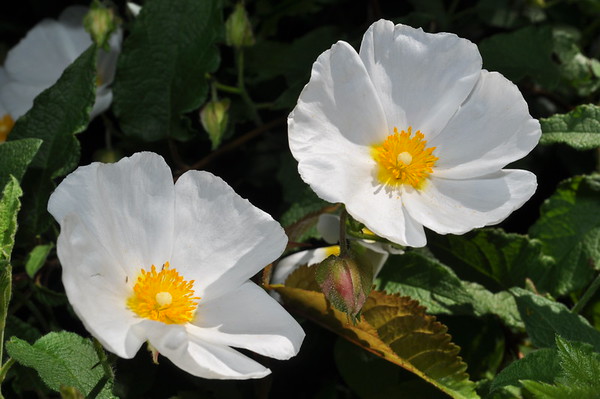
white rock rose
Cistus x hybridus
Shrub
Attracts pollinators
Deer resistant
Drought tolerant
Edible flowers
Evergreen leaves
Hedgerows
Sold out
This rock rose has broad, wavy leaves with delicate, triangular tips and paper white flowers.
Read moreskirret
Sium sisarum
Hardy perennial
Edible flowers
Edible perennial
Sold out
Skirret is an old word for sugar-root. The white roots are very sweet and have a bit of carrot flavor, which is no surprise because skirret is in the same family. The roots are perennial, but the green tops die back each year. They appreciate a little shade and moisture in our hot, dry summers. This is not a drought-tolerant plant. Skirret produces white umbels of tiny flowers in the summer and parsley-like seeds in the fall. We’ve had success propagating both by seed and by roots.
Skirret is a sturdy perennial that will grow more and more roots in the same cluster each year. We dig up the whole plant in fall to harvest, rinse of the best roots for the kitchen, and then plant the smaller roots back in the ground to make next year’s crop. Although they are nice raw, if you mix them in to a root bake with carrots, potatoes, golden beets, and leeks, everyone thinks there are sweet potatoes in the mix. Yum!
Read moreSt. Joan's Wort
Hypericum perforatum
Hardy perennial
Adapted to heavy clay soil
Attracts pollinators
Deer resistant
Drought tolerant
Sold out
Although some refer to it as St. John’s Wort, Susan Weed conjures up the bravery of Joan of Arc in reference to the healing properties of this herb. It is listed as a noxious weed in many western states, so it’s no surprise that St. Joan’s Wort is easy to grow and tolerant of poor soils and drought. However, to produce the profusion of yellow flowers that contain the healing properties, it will require lots of sun. The tincture of the flowering tops is a wonderful antidepressant, antiviral, and nerve tonic. Flowers infused in oil soothe skin and sore muscles.
Read more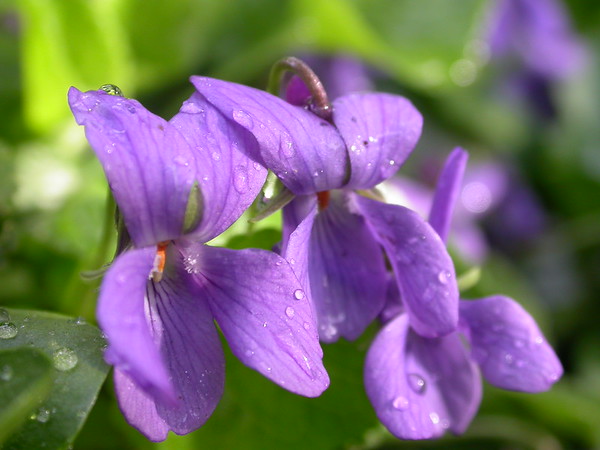
sweet violet
Viola odorata
Hardy perennial
Attracts pollinators
Edible perennial
Tolerates shade
Edible flowers
Fast growing
Sold out
One of the first flowers to bloom in spring, purple sweet violet flowers bring a subtle and sweet aroma to the garden as it wakes from slumber. With edible and fragrant flowers as well as edible leaves, it’s easy to see the value of this humble perennial. Shakespeare refers to the nodding violet, which is likely this same species, in A Midsummer Night’s Dream. Sweet violet has been used for perfumery and cosmetics throughout the ages.
Besides being edible, the leaves are gently cooling and soothing for sore skin, sore throats, and irritated mucus membranes.
Read more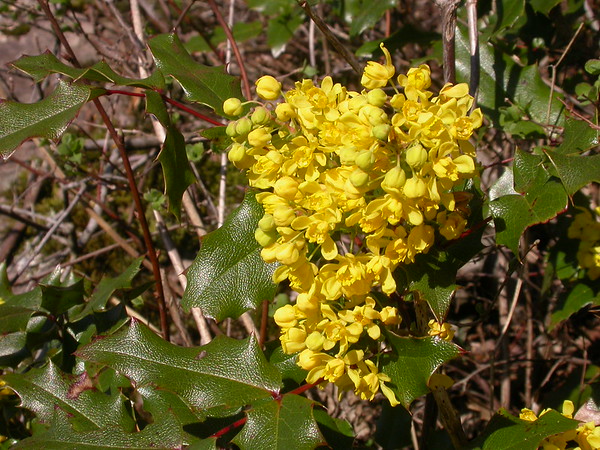
tall Oregon grape
Berberis aquifolium
Shrub
Attracts pollinators
Deer resistant
Drought tolerant
Edible and delicious fruit
Tolerates shade
Evergreen leaves
Edible flowers
Native to the Pacific NW
Hedgerows
Sold out
Tall Oregon grape is a woody perennial shrub in the barberry family that is tough enough to survive in many conditions and yet provides edible and medicinal yields. It grows 2-7 feet tall in well-drained sunny or shady locations. Small yellow flowers give way to edible purple berries that make a great bitter digestive, fresh, dried, tinctured, or in jam. The yellow color of the stems and roots indicates the presence of berberine, a tea or tincture of which decreases congestion and helps fight bacteria. We’ve planted it all over the understory of our forested hillside because it’s native and so useful!
Read more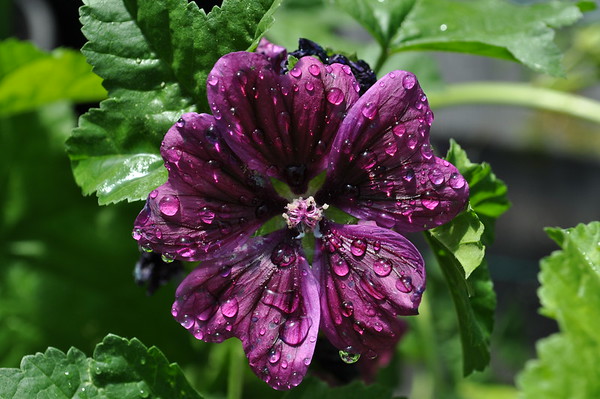
tall purple mallow
Malva sylvestris
Hardy perennial
Attracts pollinators
Edible flowers
Edible perennial
Fast growing
Sold out
Although annual mallows can make nice greens, this perennial mallow not only has delicious leaves but it also makes large displays of showy purple edible flowers! One type has lavender petals with dark purple stripes, while another type has deep magenta petals. Blooming plants grow up to three feet tall.
We like to steam the greens or add them raw to salads. They also make a nice mucilaginous infusion to soothe sore throats and irritated skin and mucus membranes.
Read moreTrue peppermint
Mentha × piperita
Hardy perennial
Adapted to heavy clay soil
Edible perennial
Edible flowers
Fast growing
Flavorful tea
Sold out
While you can find dozens of varieties of mint for your garden, we focus on cultivating peppermint because it is the best mint for soothing upset stomachs, relieving headaches, and cooling inflammation. This is the true peppermint with dark green leaves and a strong minty flavor with no hints of spearmint. Excellent flavor for tea.
Watch out! It will take over your garden if you don’t constrain it to a pot or other container. If you give it rich soil, some sun, and lots of water, and keep cutting it back, peppermint will provide medicine for three seasons each year.
Read more
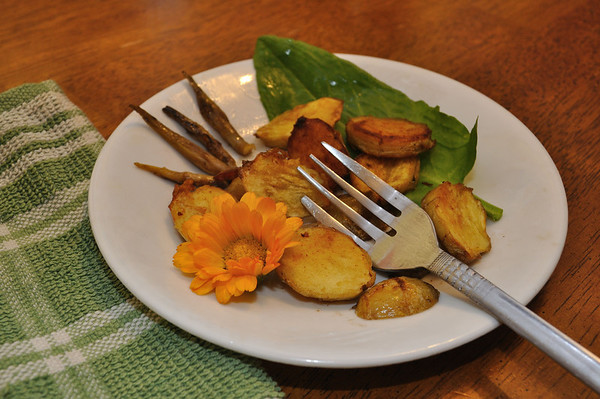
wapato
Sagittaria latifolia and cuneata
Hardy perennial
Adapted to heavy clay soil
Attracts pollinators
Edible perennial
Likes wet soil
Native to the Pacific NW
Sold out
Wapato is a perennial plant that is native throughout North America. Historically, it was a staple food crop for people wherever it grew and continues to be a popular native food plant. Tubers grow in wet soil beneath the water surface. Flower stalks with white blooms and arrow shaped leaves reach above the surface.
Wapato grows in estuaries, ponds, shallow portions or rivers and lakes, ditches and wet seeps. We grow wapato in mini ponds (50 gallon barrels cut in half) and let the surface water almost dry up in summer. Plants go dormant in fall and are best harvested at that time. When grown in a tub, they are easy to harvest, divide, and replant. In a pond or wetland, the best way to harvest is by loosening tubers with your toes and letting them float to the surface to collect them. We like to boil them and then bake them after boiling. Sometimes we bake them with garlic, butter, and some water to keep them moist. So delicious!
Read morewestern mugwort
Artemisia ludoviciana
Hardy perennial
Attracts pollinators
Deer resistant
Drought tolerant
Likes wet soil
Native to the Pacific NW
Sold out
Native to Oregon and much of North America, western mugwort is a rhizomatous perennial with beautiful gray-green foliage composed of long, strap-like leaves. Its yellow-white flowers bloom in summer. Much less agressive than the european mugwort (A. vulgaris), this plant prefers very well-drained soil and full sun. It has medicinal properties similar to other mugwort species.
Read more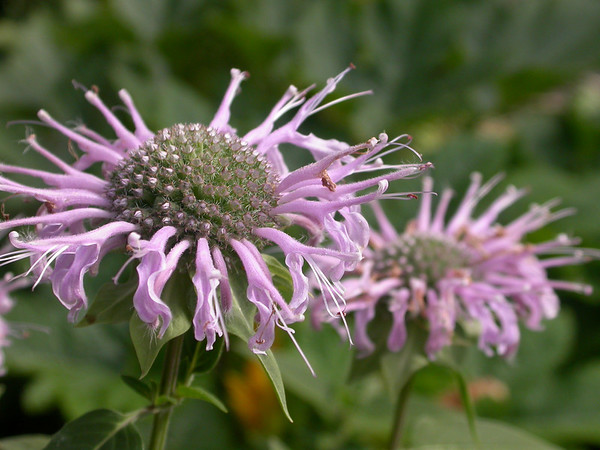
wild beebalm
Monarda fistulosa
Hardy perennial
Attracts pollinators
Edible flowers
Flavorful tea
Sold out
This wild variety of beebalm produces showy light pink flower clusters on two foot tall stems.
Read moreclustered wild rose
Rosa pisocarpa
Shrub
Attracts pollinators
Tolerates shade
Edible flowers
Native to the Pacific NW
Flavorful tea
Hedgerows
Sold out
Clustered wild rose is native to the Willamette Valley and other parts of the Pacific Northwest. It is a spreading woody shrub, growing up to 6 feet tall. It is a great and easy to grow wildlife plant, perfect for hedgerows and native restoration. It can grow in sun or shade.
The rose hip fruit is edible. The flowers have a wonderfully simple and delicate rose scent. The flowers and leaves are a very gentle astringent that helps tighten and tone mucous membranes and skin.
Read moreculinary sage
Salvia officinalis
Hardy perennial
Attracts pollinators
Deer resistant
Drought tolerant
Edible flowers
Edible perennial
Flavorful tea
Sold out
No herb garden is complete without this fragrant and savory leaf to add to pasta sauce, soup stock and more. Sage also produces beautiful and edible pink flowers that attract pollinators. Herbalists rely on the ability of sage leaves to help your body tighten and tone soggy tissues, reduce inflammation, and ward off infection. Although there are lots of varieties with colorful leaves, the seed grown sage is the best for cooking and medicine.
Read moreItalian oregano
Origanum vulgare 'Italian'
Hardy perennial
Deer resistant
Drought tolerant
Edible perennial
Edible flowers
Sold out
This oregano variety has spicy flavor, slightly fuzzy leaves, and a upright, spreading habit. While our compact and golden oreganos have very mild flavor, this Italian variety will perk up any dish with its strong flavor.
Read moremaypop passionflower
Passiflora incarnata
Vine
Attracts pollinators
Edible and delicious fruit
Edible flowers
Sold out
The maypop is a perennial passionflower in our climate. The plant dies back each year to the ground and re-sprouts in late spring. Less vigorous than P. caerulea, this species has a different yet still amazing flower. Maypop can produce fruits in our climate, although it is less likely to do so than P. caerulea. Maypop will climb up to 10 feet or so.
This is the species found in the commercial herb trade which is used to make a tincture or tea that helps relax tight muscles and calm the nerves in a way that is similar to skullcap.
Read moremoonflower
Datura inoxia
Tender perennial
Drought tolerant
Sold out
Nootka rose
Rosa nutkana var. nutkana
Shrub
Attracts pollinators
Edible flowers
Hedgerows
Native to the Pacific NW
Tolerates shade
Sold out
This native rose shrub has the largest pink flowers of the Oregon species. They perfume the woods when they bloom in May!
Read moreofficial valerian
Valeriana officinalis
Hardy perennial
Attracts pollinators
Sold out
Valerian is an herbaceous perennial with flowering stalks up to 6 feet tall, bearing tiny white flowers with a fragrance like honey. The musky sweet roots are used in tea or tincture as a nervine to aid in relaxation, although it does the opposite for some people!
Read morePacific waxmyrtle
Myrica californica
Shrub
Adapted to heavy clay soil
Deer resistant
Hosts bacteria that fix nitrogen
Tolerates shade
Evergreen leaves
Native to the Pacific NW
Flavorful tea
Hedgerows
Sold out
Pacific waxmyrtle is an evergeen shrub/small tree native to the west coast of North America. It can grow 5-30 feet tall and has sticky leaves and a waxy wrinkled purple berry. It is a great evergreen hegde plant and can even grow in almost full shade.
Read moresalal
Gaultheria shallon
Shrub
Attracts pollinators
Deer resistant
Drought tolerant
Edible and delicious fruit
Edible flowers
Evergreen leaves
Tolerates shade
Native to the Pacific NW
Sold out
Salal is an evergreen shrub in the heath family with glossy leaves, white urn-shaped flowers, and edible purple berries. Salal prefers moist shade, but it often bears the most fruit in sunny locations as long as it has some water. The spring azure and brown elfin butterflies use salal as a host plant.
Read moreseaberry
Hippophae rhamnoides
Shrub
Adapted to heavy clay soil
Deer resistant
Drought tolerant
Edible and delicious fruit
Fast growing
Hosts bacteria that fix nitrogen
Sold out
Seaberries are tart and delicious golden fruit about the size of a lentil, borne in large quantities along the thorny stems of this shrub. The berries are packed with fifteen times the vitamin C of oranges, and contain phenols and oils used in many commercial supplements and cosmetics. Seaberry is great for poor soil because it has nitrogen-fixing root nodules. In order to set fruit, the female plants need to be pollinated by males nearby.
We’ve been growing this shrub for ten years, and have decided that it certainly has helped improve our soil with the abundant leaf litter and nitrogen fixation, but the low yields, difficulty of harvest, and extreme thorns make it a poor choice for most gardens with limited space. The one situation where this shrub would shine is to create a living fence where you want to avoid maintenance and care, where the thorns can’t pop a tire, and where the shrub can’t overtake any other useful plants.
Read moresilver queen thyme
Thymus × citriodorus 'Silver Queen'
Hardy perennial
Edible flowers
Evergreen leaves
Flavorful tea
Sold out
This is a lemon thyme that is variegated with slivery grey-green foliage. It makes a very nice contract interplanted with lemon variegated thyme.
Read moresoft rush
Juncus effusus
Hardy perennial
Adapted to heavy clay soil
Deer resistant
Likes wet soil
Native to the Pacific NW
Tolerates shade
Sold out
Soft rush is a great native wetland plant to have around a pond or swale. Its round, straight stems form a graceful fountain shape, while its rhizomes decrease soil erosion. The roots and stems are often used for various colored work in traditional basketry.
Read moresweetgrass
Hierocloe odorata
Hardy perennial
Adapted to heavy clay soil
Likes wet soil
Sold out
Sweetgrass is native to northern North America and Eurasia. It is a very hardy spreading perennial grass that his a history of multiple uses by native Americans and Europeans. We reccomend that you grow it in an area wheer you want it to spead, or keep it in a container.
Read moresylvetta arugula
Diplotaxis tenuifolia
Hardy perennial
Edible perennial
Tolerates shade
Edible flowers
Sold out
We depend on the spicy and bright salad greens from this perennial arugula in early spring when most other salad greens are still struggling with cold and wet weather. Plus, when the majority of our salad greens are bolting or wilting in the heat of summer, this arugula just keeps filling our salad bowl. It has fern-like leaves and a wonderful mustard-spicy flavor.
Read moreTuscan Blue rosemary
Rosmarinus officinalis 'Tuscan Blue'
Hardy perennial
Shrub
Attracts pollinators
Deer resistant
Drought tolerant
Edible perennial
Evergreen leaves
Edible flowers
Sold out
One of the most popular upright rosemary varieties, Tuscan Blue has a blue-green hint to its foliage, and blue-purple flowers.
The Latin name Rosmarinus refers to the dew (ros) of the sea (marinus), as they are native to the seaside cliffs of the Mediterranean. It’s a drought tolerant and deer resistant evergreen shrub up to 5 feet tall that prefers full sun.
Rosemary’s aromatic resin is a strong medicine in addition to being the perfect flavor for so many Italian dishes. The vapors inhaled in warm steam help clear out mucus from the respiratory tracts and tonify the mucus membranes. Taken as a tea, rosemary can also soothe upset digestion and dry up an overabundance of mucus.
Read moretwinflower
Linnaea borealis
Hardy perennial
Attracts pollinators
Drought tolerant
Evergreen leaves
Tolerates shade
Native to the Pacific NW
Sold out
Twinflower is a sweet native wildflower less than a foot tall with elegant bell-shaped white and pink flower clusters. It tolerates full shade and grows as a ground cover in woodlands.
Read moreVedic ashwaganda
Withania somnifera
Tender perennial
Sold out
Highly valued in Ayurvedic medicine, ashwaganda is a warming and calming nutritive tonic. A decoction of the root in milk is a traditional recipe for helping decrease nervous tension, insomnia, and chilly weakness.
Native to tropical climates, protect these tender plants from freezing weather by brining them inside for the winter. If you do, you’ll not only be rewarded with sturdy medicinal roots, but also with bright red berries that give ashwaganda the nickname ‘winter cherry.’
Read morewavy-leafed soaproot
Chlorogalum pomeridianum
Hardy perennial
Drought tolerant
Edible perennial
Native to the Pacific NW
Sold out
Soaproot is native to sunny meadows and oak woodlands of northern California and southwestern Oregon. Like other plants in the agave family, it grows strap-shaped leaves in a basal rosette, then sends up tall flowering stalks in summer with small white flowers. The name “pomeridianum” means late afternoon (p.m.), which is when the flowers open. This is a very drought tolerant plant, good for areas with no irrigation.
Several indigenous tribes roasted the bulbs to make a sweet and sticky food similar to roasted camas or onions. Uncooked, the bulbs have coarse hairs and saponins that make good scrub brushes with built-in suds! Plus, the spring shoots can be cooked like asparagus. Where else can you find a plant that makes a meal and helps you wash the dishes too?
Read more
white sage
Salvia apiana
Shrub
Attracts pollinators
Deer resistant
Drought tolerant
Evergreen leaves
Sold out
The dried leaf of white sage is well known for its aroma and is excellent for smudging.
Not native to our area, it does best grown in a pot with half sand half potting soil, or planted in a greenhouse bed with some sand for extra drainage. In the garden, try planting it tucked underneath the rain protection of the eves of a house or porch, especially on the south side of the house for extra light. It usually needs some protection from the coldest winter nights. Growing it in a large pot with good drainage that you can move indoors to a garage or greenhouse during very cold weather is a good option. We have plants that survive and thrive in our greenhouse in a sand bed with a little heat on nights that drop below 25F.
Read more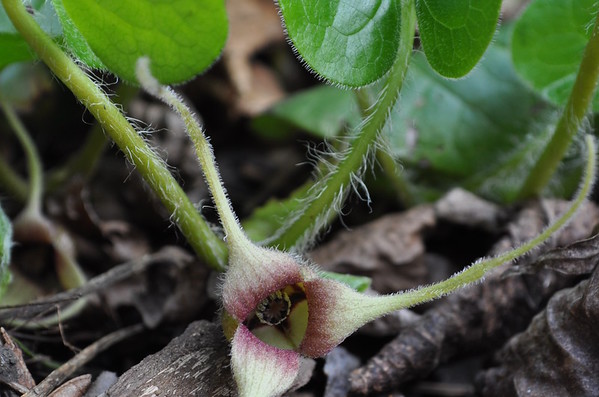
wild ginger
Asarum caudatum
Hardy perennial
Attracts pollinators
Edible perennial
Tolerates shade
Edible flowers
Native to the Pacific NW
Flavorful tea
Sold out
A beautiful native forest ground cover, wild ginger likes to grow in moist soil in shady areas. You will find it wild near creeks and on wet hillsides in the shade. Glossy heart-shaped leaves have a nice spicy ginger-lemon fragrance and the deep pink flowers are worth a search under the leaves on hands and knees. Although named ginger, this plant is not related to the Asian ginger commonly used in cooking. Wild ginger has a spicy flavor and greater warming effect than Asian ginger. It can be boiled in water for tea or used in small quantities to add flavor to cooking. The plant spreads slowly by underground rhizomes and does best in a shade garden with some summer irrigation.
Read morewild yam
Dioscorea villosa
Vine
Sold out
This wild yam is native to the eastern United States. Dormant in winter, the elegant shoots began to sprial skyward in spring, filled with glossy green leaves. It can climb over ten feet high on a trellis or poles. This plant does best in well-drained soils with ample sun.
The underground tubers, harvested in fall/winter, have a variety of medicinal uses. Although often cited as an estrogenic herb, the tubers are a smooth muscle relaxant and antispasmotic, so therefore help with many types of cramping.
Read morewinter savory
Satureja montana
Hardy perennial
Flavorful tea
Sold out
yacon
Smallanthus sonchifolius
Hardy perennial
Attracts pollinators
Edible perennial
Sold out
Yacón produces sweet, juicy tubers the size and shape of sweet potatoes. The stems grow up to 6 or 8 feet tall and bear yellow sunflower-type flowers. The stems and leaves are sensitive to frost, so once you harvest the tubers, it’s best to keep the knobby crowns indoors for the winter.
Read more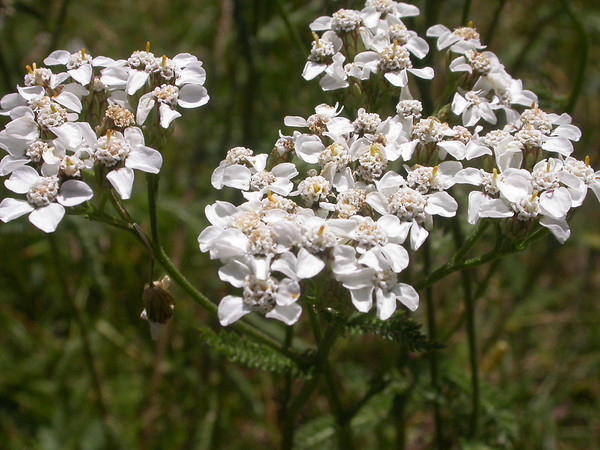
yarrow
Achillea millefolium
Hardy perennial
Adapted to heavy clay soil
Attracts pollinators
Drought tolerant
Native to the Pacific NW
Tolerates shade
Sold out
Yarrow is a flowering perennial in the sunflower family. Feathery green basal leaves are present in our climate throughout the year. Taller leaves begin to grow in early spring, and flower stalks grow and bloom early summer. The white flowers can be used in fresh and dried cut flower arrangements.
This is an essential medicinal plant to have in northwest gardens. Mashed leaves are applied directly to skin as a styptic and antiseptic and used in salves to reduce inflammation and speed healing. The flowers and leaves help the body to reduce fevers through sweating.
Yarrow spreads by rhizomes and a slow to moderate pace. It thrives in almost any soil condition. Yarrow can also make a mat and is a great choice for a native lawn.
Read more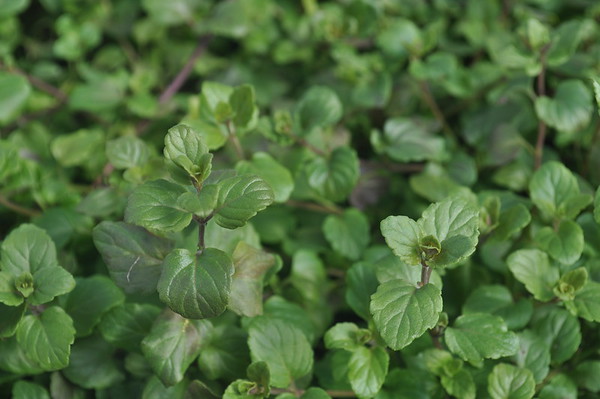
yerba buena
Satureja douglasii
Hardy perennial
Deer resistant
Drought tolerant
Tolerates shade
Native to the Pacific NW
Flavorful tea
Sold out
A native perennial in the mint family, yerba buena likes dappled shade and handles a wide variety of soil from deep rich organic matter to nutrient poor clay. Once established, it can handle serious summer drought. Although a spreading ground cover, it politely co-exists with other herbaceous plants, grasses, or shrubs.
Minty with a hint of sage or pine, yerba buena tea is calming for the stomach and soothing to headaches. It is cooling for inflamed tissue and helps promote sweating during a fever or flue. Plus, it tastes great!
Read more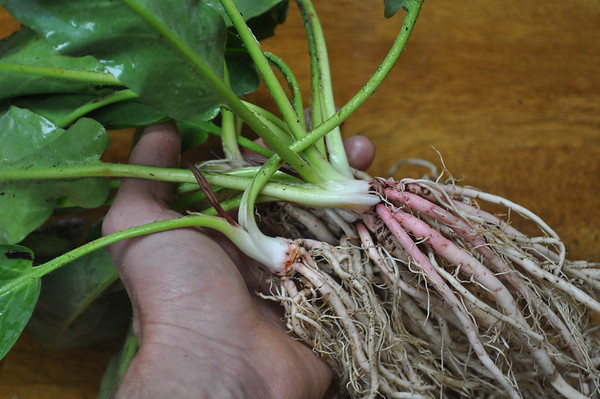
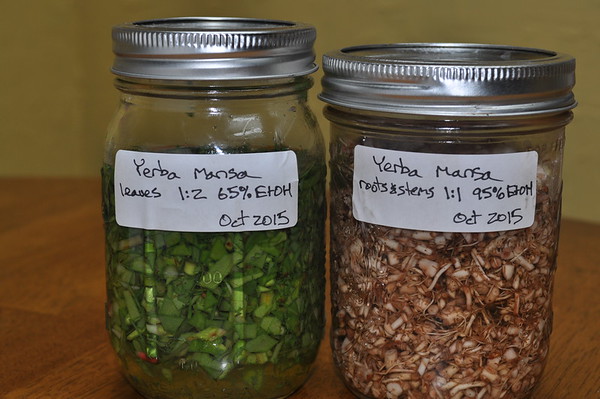
yerba mansa
Anemopsis californica
Hardy perennial
Adapted to heavy clay soil
Attracts pollinators
Likes wet soil
Sold out
Yerba mansa is a creeping herbaceous perennial with white flowers that prefers wet soil and warm sun. Native to California and the Southwest, in our climate it may do best grown in a container and protected in winter. It has thrived in the ground in our greenhouse for several years.
Overall, this plant is warming and stimulating to blood flow. A tincture or tea of any part of the plant helps move cold and stagnant fluid in congested tissues, such as in a damp and stagnant sinus infection or osteoarthritis that is helped by warmth. A tincture of the root can also be used as a general antiseptic.
Read moreZa'atar
Origanum syriacum
Hardy perennial
Drought tolerant
Edible flowers
Edible perennial
Sold out
This aromatic and savory variety of oregano is native to the Middle East where it grows in abundance on the rocky hillsides. It’s leaves are covered in fine grey hairs that help it conserve water, making it one of the most drought tolerant oregano species.
It is traditionally dried and blended with other herbs, crushed sesame seeds, and salt to sprinkle on food such as flat breads and other savory dishes. Yum!
Read more